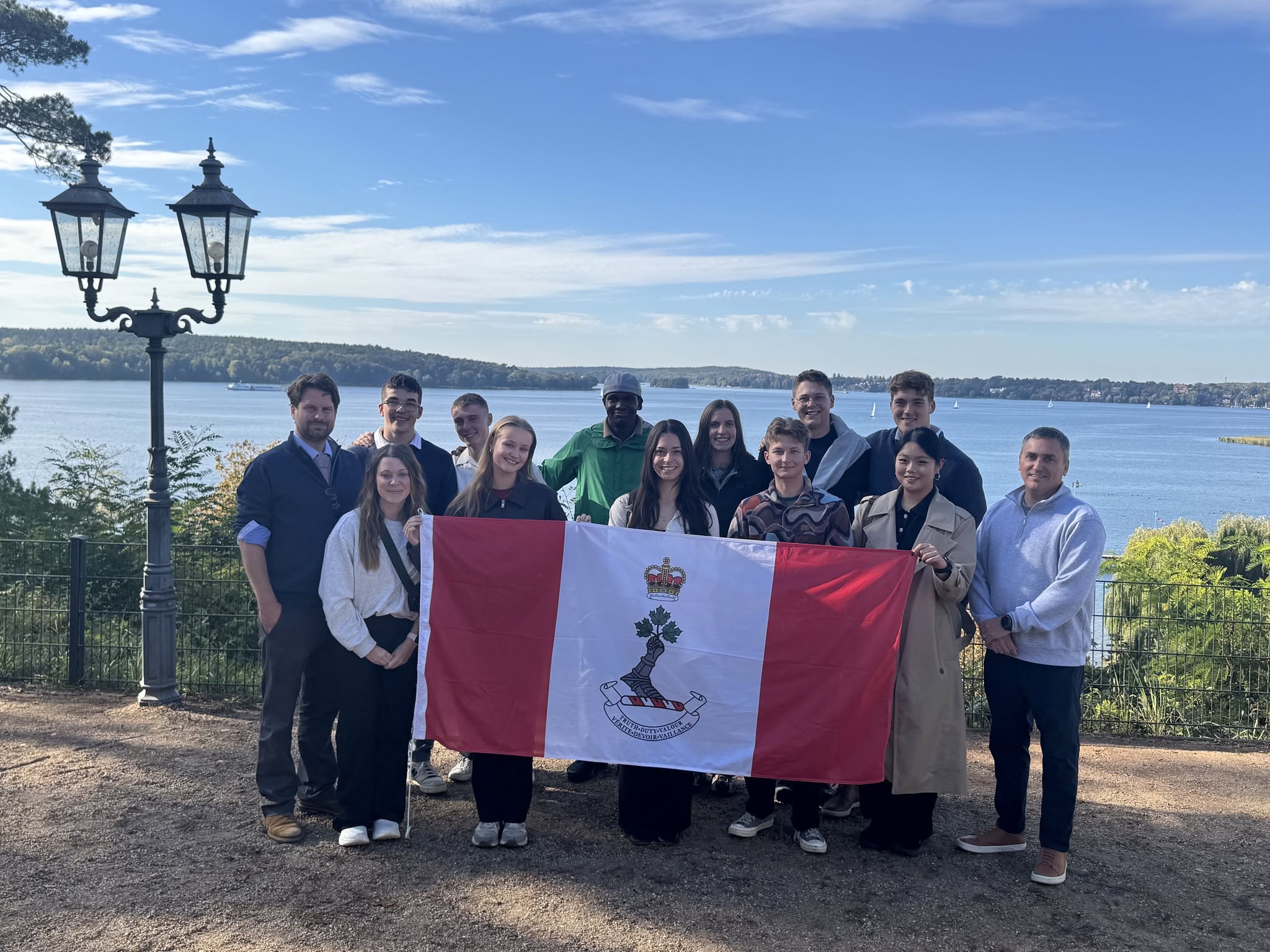
During the October Reading Week, a group of ten cadets embarked on a nine-day Holocaust Study Tour through Poland, Czechia, and Germany, accompanied by Dr. Marie-Michèle Doucet, Head of the History Department; Dr. Yannick Veilleux-Lepage, Associate Professor in the Department of Political Science; and Col Hugo Delisle, Deputy Commandant of RMC.
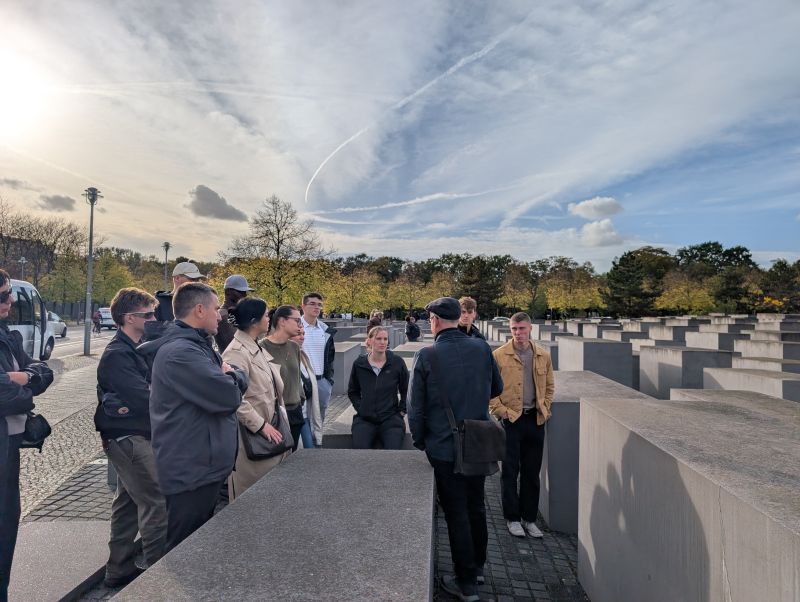
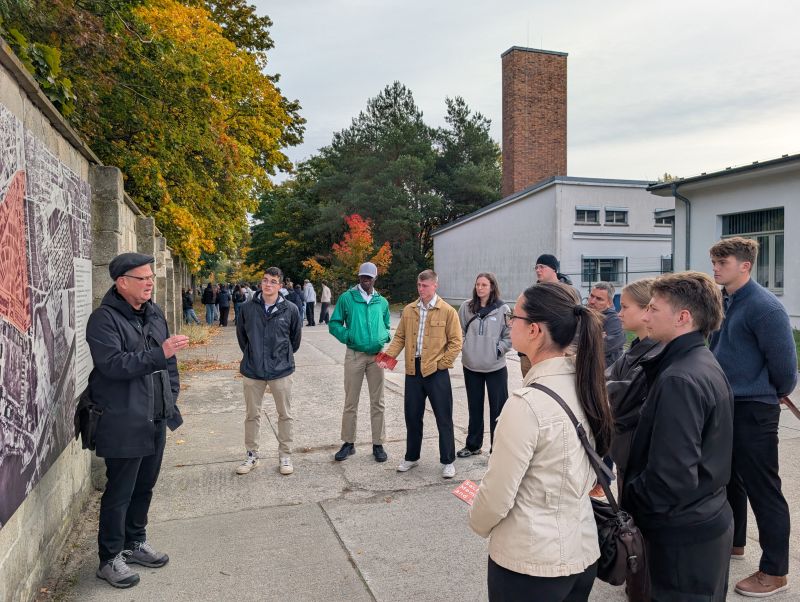
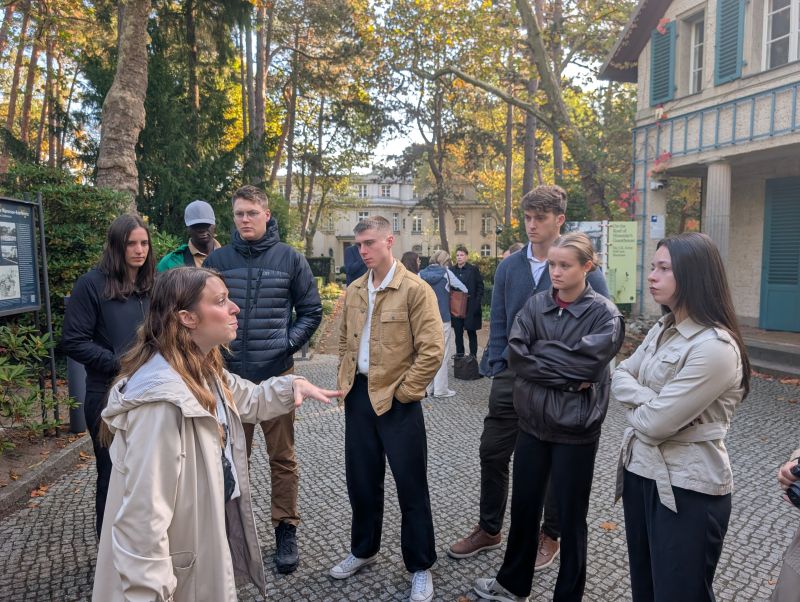
The tour took the cadets to some of the most significant sites associated with the Holocaust, offering opportunities to confront this difficult history in the very places where it unfolded. From the grounds of Auschwitz-Birkenau and the former Jewish ghetto in Kraków to the home of Auschwitz commandant Rudolf Höss, each visit raised difficult questions about responsibility, complicity, and humanity. In Czechia, the cadets explored Prague’s Jewish Quarter and visited Terezín before continuing to Berlin, where visits to Sachsenhausen, the Bendlerblock, the Memorial to the Murdered Jews of Europe, and the Wannsee Conference House provided further opportunities to reflect on the machinery of Nazi persecution, the individuals who enabled it, and those who resisted.
Beyond deepening their understanding of the Holocaust, this experience encouraged the cadets to reflect on the victims of Nazi persecution, the consequences of hatred and dehumanization, and the moral responsibilities that come with military leadership.
For these future officers, the tour was an opportunity not only to study history where it unfolded, but also to reflect on what it truly means to serve, lead, and uphold the values expected of an officer.
We extend our sincere gratitude to Ian and Rosemary Mottershead and the RMC Alumni Association for their generosity in making this meaningful educational experience possible.
Pendant la semaine de lecture d’octobre, dix élèves-officiers ont participé à un voyage d’études de neuf jours consacré à l’Holocauste, à travers la Pologne, la Tchéquie et l’Allemagne. Ils étaient accompagnés de la Dre Marie-Michèle Doucet, directrice du Département d’histoire, du Dr Yannick Veilleux-Lepage, professeur agrégé au Département de science politique, et du colonel Hugo Delisle, commandant adjoint du CMR.
Ce voyage a permis aux élèves-officiers de visiter certains des lieux les plus marquants de l’histoire de l’Holocauste et de se confronter à ce passé difficile, là même où les événements se sont déroulés. Du camp d’Auschwitz-Birkenau à l’ancien ghetto juif de Cracovie, en passant par la maison où Rudolf Höss, commandant d’Auschwitz, chaque visite a soulevé des questions profondes sur la responsabilité, la complicité et l’humanité. En Tchéquie, les élèves-officiers ont exploré le quartier juif historique de Prague et visité Terezín, avant de poursuivre leur parcours à Berlin. Les visites du camp de Sachsenhausen, du Bendlerblock, du Mémorial aux Juifs assassinés d’Europe et de la villa de Wannsee, où de hauts responsables nazis ont coordonné la mise en œuvre de la « Solution finale » en janvier 1942, leur ont permis d’approfondir leur réflexion sur les mécanismes de la persécution nazie, les individus qui y ont participé et ceux qui ont choisi de résister.
Au-delà de l’approfondissement de leurs connaissances historiques, cette expérience a amené les élèves-officiers à réfléchir au sort des victimes de l’Holocauste, aux conséquences de la haine et de la déshumanisation, ainsi qu’aux responsabilités morales qui accompagnent le leadership militaire.
Pour ces futurs officiers, ce voyage représentait donc bien plus qu’une occasion d’étudier l’histoire sur les lieux mêmes où elle s’est déroulée. Il leur a également permis de réfléchir à ce que signifie véritablement servir, diriger et incarner les valeurs et les responsabilités associées à leur future profession.
Nous tenons à remercier chaleureusement Ian et Rosemary Mottershead, ainsi que l’Association des ancien(ne)s du CMR, pour leur généreux soutien, qui a rendu possible cette expérience éducative profondément marquante.
From Tour Director – Dr. Yannick Veilleux-Lepage, Associate Professor in the Department of Political Science LinkedIn Account
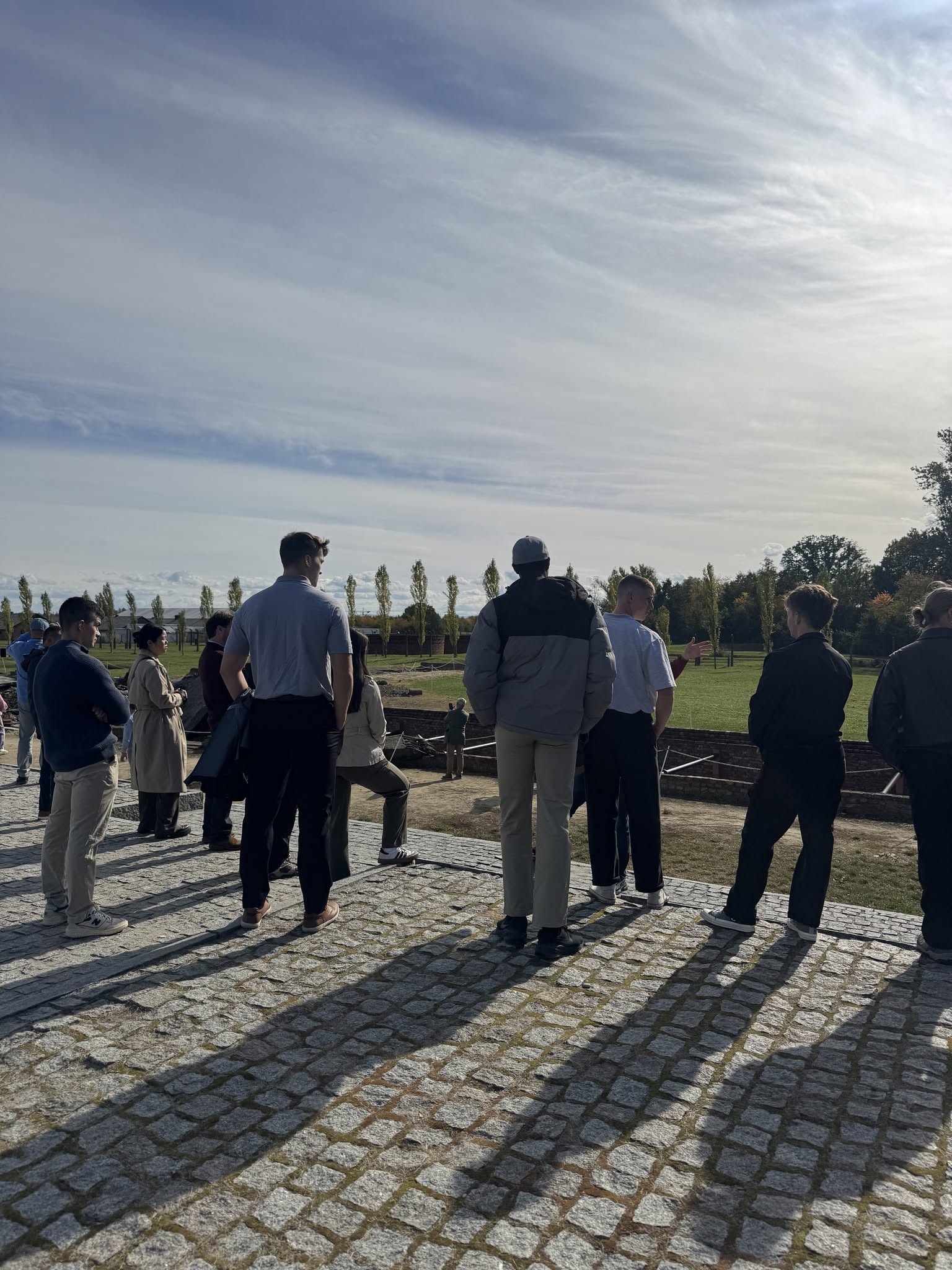
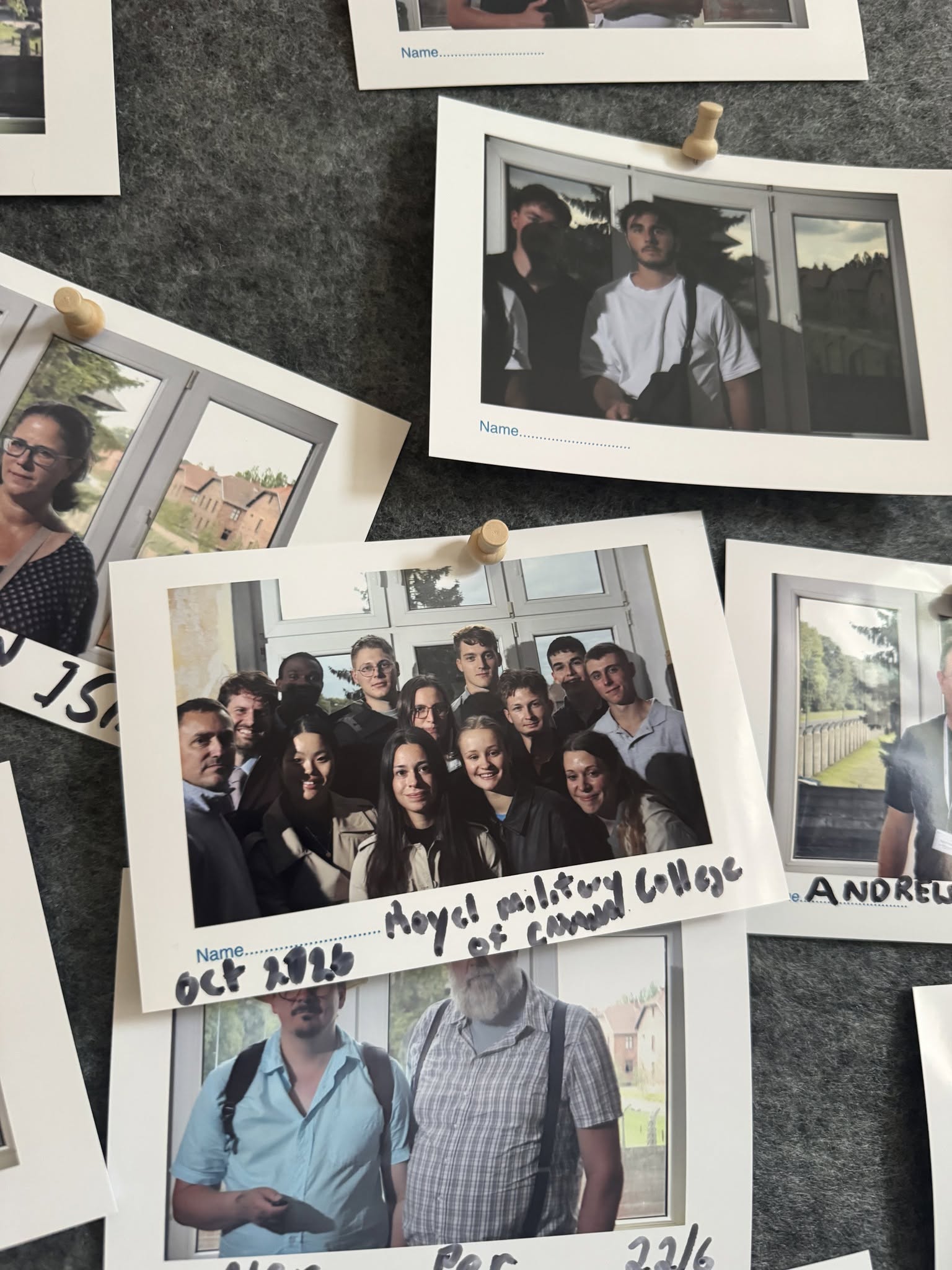
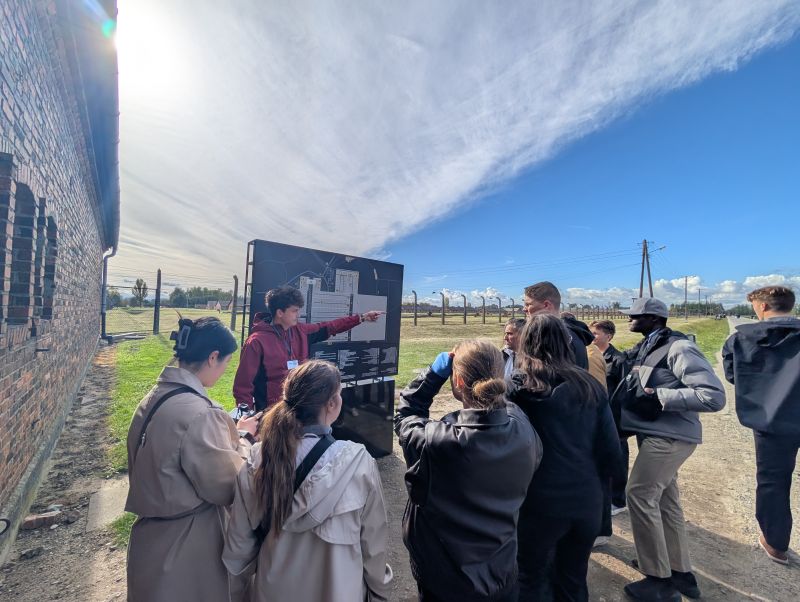
Dr. Marie-Michèle Doucet (Head of the History Department), Col. Hugo Delisle (Deputy Commandant of RMC) and I accompanied ten officer cadets from the Royal Military College of Canada/Collège militaire royal du Canada to Auschwitz-Birkenau Memorial and Museum | Miejsce Pamięci i Muzeum Auschwitz-Birkenau as part of the inaugural RMC Holocaust Study Tour. This tour is made possible by the generous endowment of Ian and Rosemary Mottershead, and I am deeply grateful for their commitment to this kind of education.
There is no adequate way to describe walking through Birkenau. What I can say is that the cadets met the day with seriousness, humility and a willingness to sit with questions that have no comfortable answers.
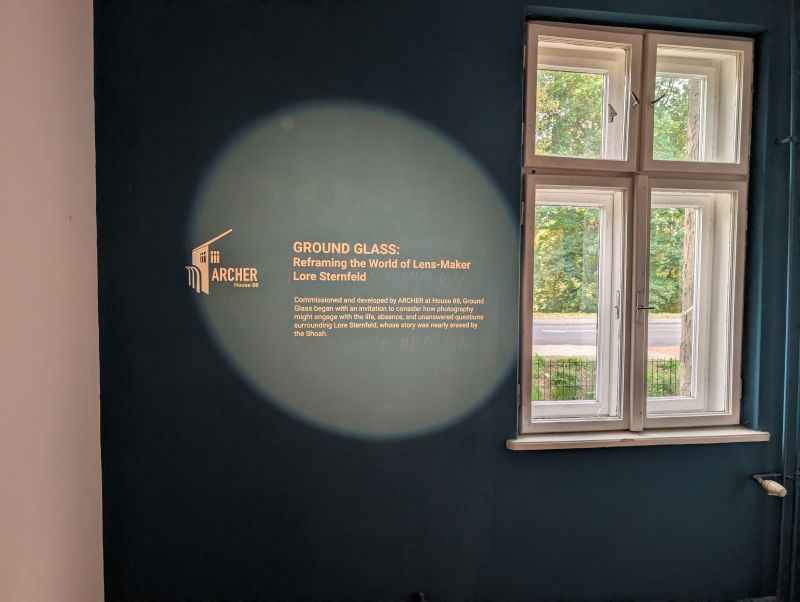
We ended our visit at ARCHER at House 88, the former home of Rudolf Höss, the commandant of Auschwitz. Höss lived there with his wife and five children, just metres from the camp fence, while he oversaw the murder of more than a million people. The Counter Extremism Project (CEP) acquired the house and has transformed it into the Auschwitz Research Center on Hate, Extremism and Radicalization, a space dedicated to understanding and countering the ideologies that make atrocity possible. Standing in a family home within sight of the camp forces a confrontation with an uncomfortable truth: genocide is organized, administered and normalized by ordinary institutions and the people who serve in them. My sincere thanks to Jacek Purski for welcoming us into the house, and for his ongoing work resisting extremism, racism and antisemitism.
That lesson matters for those who wear the uniform. These cadets will go on to lead sailors, soldiers and aviators in the Canadian Armed Forces. Their responsibility includes the use of force, but it also includes the moral judgment to recognize when obedience, professionalism and duty are being bent toward something monstrous. My hope is that they carry what they saw yesterday into every unit they lead, and that it shapes the kind of officers, and the kind of institution, they choose to build.
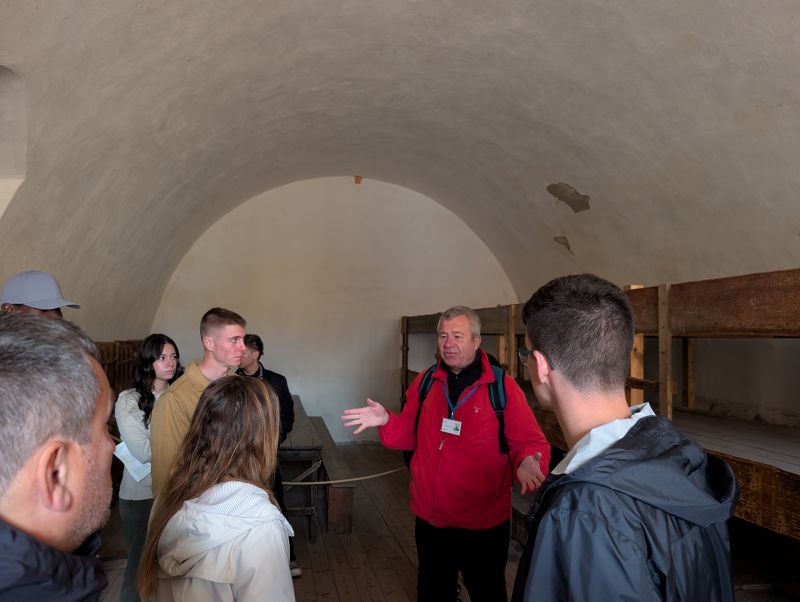
The inaugural Royal Military College of Canada/Collège militaire royal du Canada Holocaust Study Tour has just spent two days in Czechia, where our officer cadets visited Terezín and the old Jewish Quarter of Prague.
After Auschwitz-Birkenau, these two days offered a necessary counterweight. Understanding the Holocaust cannot happen by studying the machinery of death alone. It also requires understanding what was lost.
In Prague’s Jewish Quarter, the OCdts encountered a community whose religious, intellectual and cultural life had shaped the city for over a thousand years. At Terezín, they saw how, even inside a ghetto and transit camp designed to deceive the world, prisoners continued to compose music, teach children, give lectures and make art. The destruction of European Jewry was the murder of millions of people, and it was also the erasure of entire worlds of culture, learning and faith that Europe will never recover.
Some of the most meaningful moments of the tour have come in the conversations between site visits. The OCdts have been wrestling with difficult questions about commemoration, about whose stories get remembered and how, and about what duty means when the institutions demanding obedience are themselves engaged in atrocity. One OCdt told me that until this tour, she had only ever heard military service discussed in positive terms, and that seeing the role soldiers, guards and officials played in the Holocaust has made her reflect seriously on the kind of officer she wants to become. That kind of reflection is precisely why this tour exists.
Thank you once again to Ian and Rosemary Mottershead, whose endowment through the Royal Military Colleges of Canada Alumni Association Inc. made this experience possible.
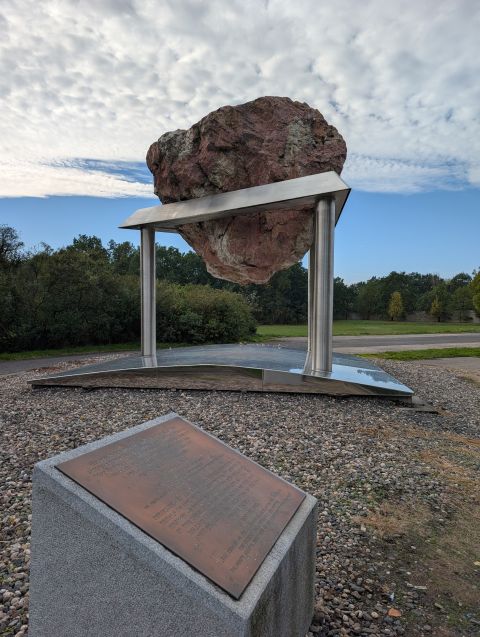
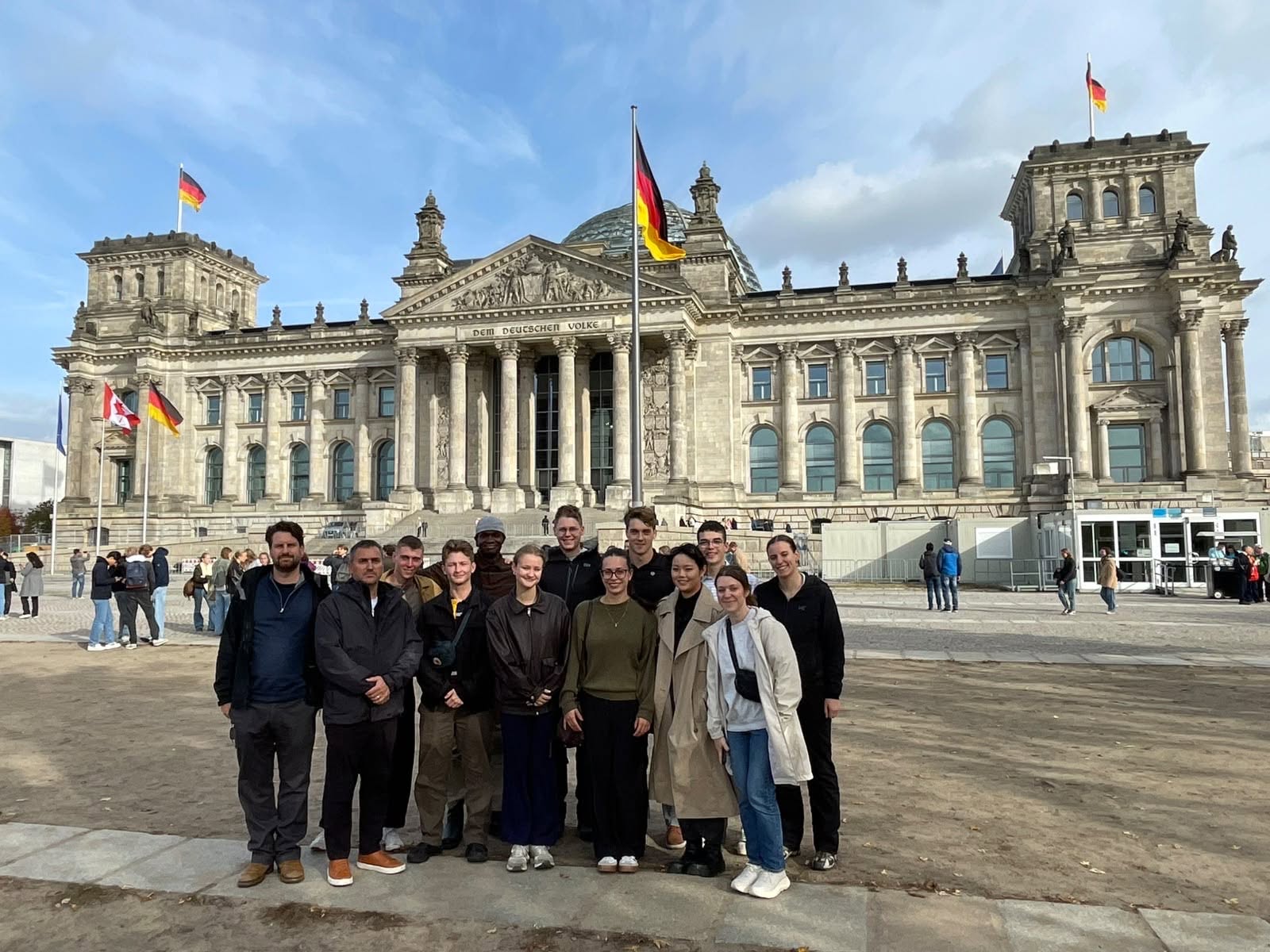
Today marks the end of the inaugural Royal Military College of Canada/Collège militaire royal du Canada Holocaust Study Tour, after 3 days in Berlin.
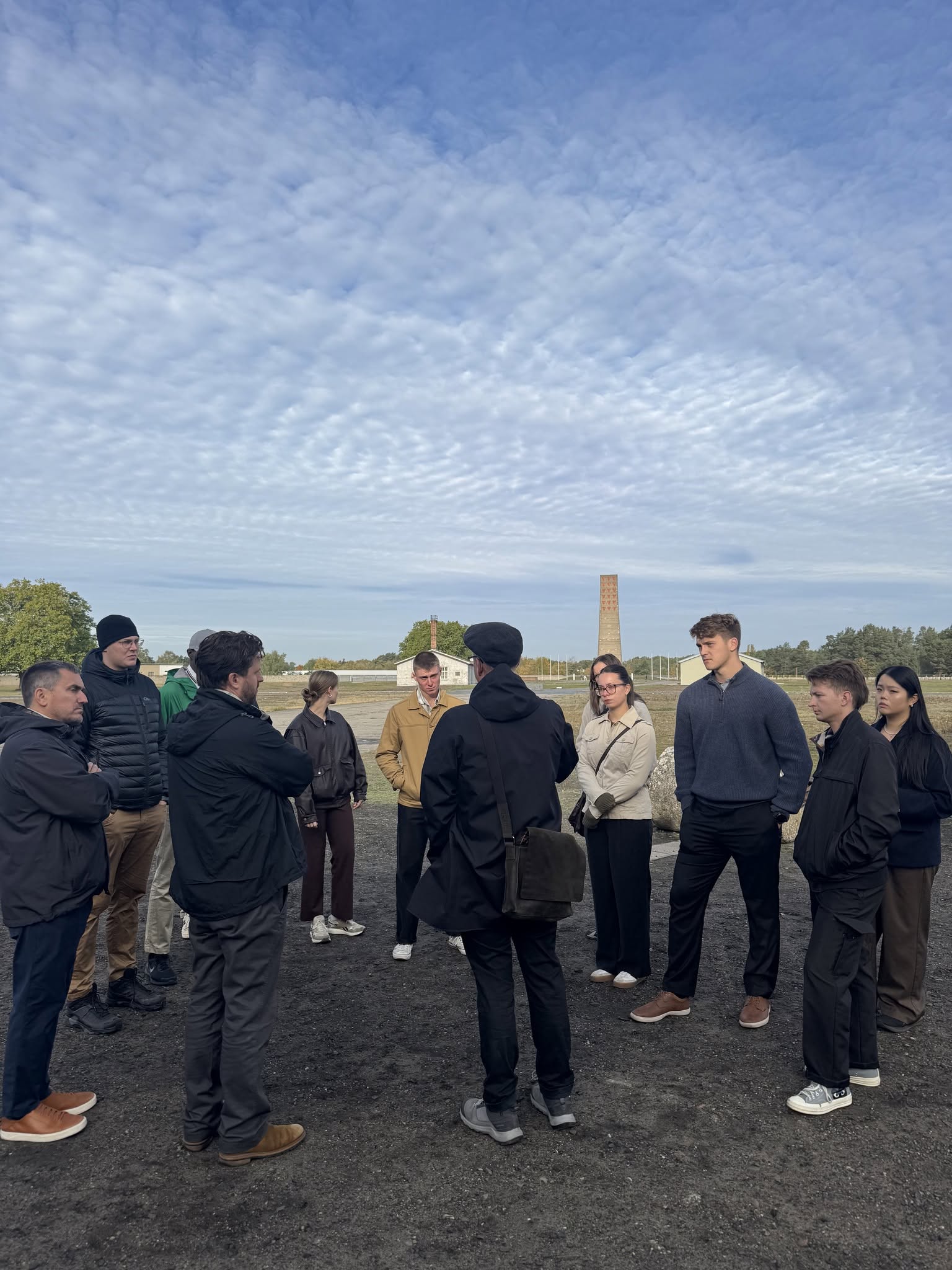
Our officer cadets visited the Sachsenhausen concentration camp memorial, the German Resistance Memorial Center at the Bendlerblock, the Topography of Terror, and the Memorial to the Murdered Jews of Europe. We concluded at the House of the Wannsee Conference, where the bureaucratic machinery of genocide was coordinated over a single afternoon.
I could not have asked for a better group of OCdts: thoughtful, kind and deeply reflective. I can’t predict the long-term impact these 9 days across Poland, Czechia and Germany will have on them. But I am hopeful that something from this experience stays with them as they step into leadership.
I am deeply indebted to the Mottershead Endowment and the Royal Military Colleges of Canada Alumni Association Inc. for making this possible, and to my co-leaders Dr. Marie-Michèle Doucet and Col Hugo Delisle.