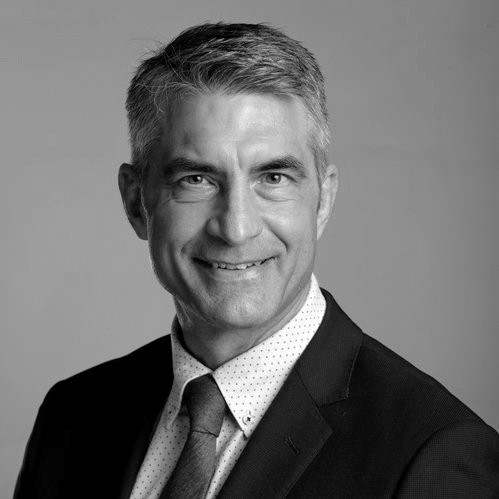
RRMC/RMC Grad Leads the Way: Anton Boegman Named Canada’s First Foreign Influence Transparency Commissioner
The federal government’s proposal to appoint Anton Boegman as Canada’s first Foreign Influence Transparency Commissioner marks a significant milestone in the country’s ongoing efforts to safeguard democratic institutions. This nomination reflects both the urgency of addressing foreign interference and the confidence placed in Mr. Boegman’s longstanding leadership in election administration.
An alumnus of Royal Roads Military College / Royal Military College, Class of 1988, Mr. Boegman brings more than three decades of public service and electoral management expertise to this new role. His academic foundation includes a B.A. from RMC (1988) and an MBA from Athabasca University (2001), complementing a career characterized by operational rigor, integrity, and a commitment to transparent democratic processes.
Mr. Boegman served as British Columbia’s Chief Electoral Officer from 2018 to 2025, following eight years as Deputy Chief Electoral Officer for Operations, and senior leadership roles within Elections BC dating back to 2004. In these capacities, he oversaw the administration of multiple provincial general elections and referenda—including several conducted fully by mail—and led complex modernization initiatives enhancing electoral security, accessibility, and public trust.
His tenure also included guiding Elections BC through challenging information environments, addressing misinformation threats, and reinforcing evidence‑based communication to counter false narratives surrounding the 2024 provincial election. His leadership emphasized transparency and accountability, even amid operational pressures such as pandemic‑era adaptations and recount‑related reviews.
Since stepping down in 2025, Mr. Boegman has continued to contribute to democratic resilience as an election management consultant, advising on best practices in electoral operations and governance.
His nomination comes at a critical moment, following the national foreign interference inquiry led by Justice Marie‑Josée Hogue, which identified transnational repression as a “genuine scourge” and highlighted ongoing attempts by foreign actors to influence Canadian democratic outcomes. The new commissioner’s mandate, combined with the forthcoming foreign interference registry, represents a major advancement in federal transparency and security policy.
As Parliament prepares to hear testimony from senior officials on foreign election interference, Mr. Boegman’s extensive operational experience, disciplined leadership background, and RMC‑shaped commitment to public service uniquely position him to guide Canada’s next era of democratic protection.
Congratulations to Mr. Boegman on this well‑deserved appointment, recognizing his distinguished career in electoral leadership and honouring his proud legacy as an RRMC/RMC Class of 1988 graduate.
“Is it safe to eat vegetables from gardens in Yellowknife?”
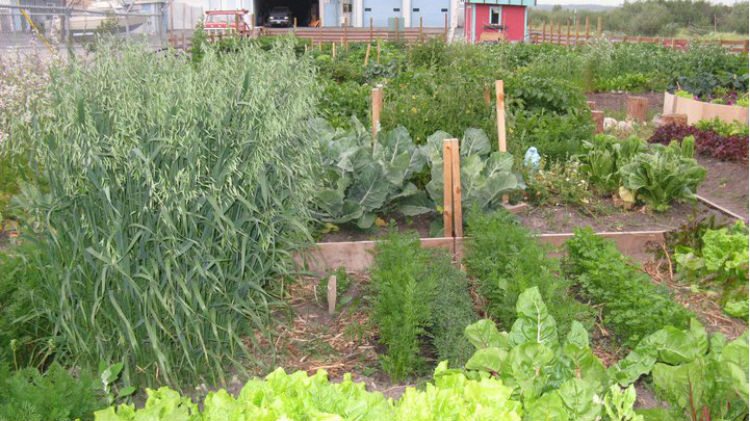 “Is it safe to eat vegetables from gardens in Yellowknife?” A group of scientists working out of the territory say that while it is safe there are some “low” risks associated with growing local produce. Their project focusses on examining garden soils and vegetables, testing for arsenic and other metals associated with regional mining activity.
The ongoing study began back in 2020, led by researchers from the Aurora Research Institute, Queen’s University and the Royal Military College of Canada. The researchers say it is the “most thorough and detailed” investigation of garden soils and vegetables in the Yellowknife region to date.
The study began in response to findings of elevated concentrations of arsenic and other mine related contaminants in area soils. “Contamination from arsenopyrite-bearing gold has resulted in soil concentrations much higher than Canadian guidelines. This has led to the investigation of arsenic uptake from garden soils into vegetables grown in Yellowknife and the potential human health risk from the consumption of these vegetable,” said the researchers.
A study published in 2021 headed by Michael J. Palmer, one of the lead researchers from the Aurora Research Institute, found high concentrations of arsenic in soil within specific locations around the city.
“High concentration levels of arsenic (up to 4700 mg kg-1) were found in soil located public areas, close by to decommissioned roaster stacks. The scientists found that this was the case even 60 years after emissions were occurred from the stacks. The data showed that surface soils within 15 km of Yellowknife contained anthropogenic arsenic trioxide (As2O3), produced by roaster stack emissions.”
Huron University Welcomes The Honourable Erin O’Toole
https://huronu.ca/news/huron-university-welcomes-the-honourable-erin-otoole/
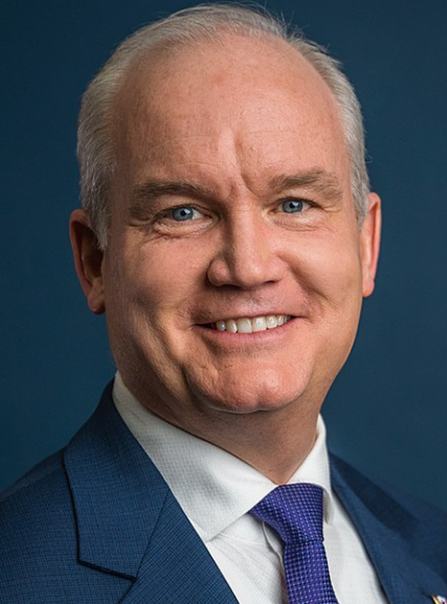 Huron University is excited to welcome The Honourable Erin O’Toole, whose extensive leadership experience will enrich both the Governance, Leadership & Ethics (GLE) department and Huron’s flagship Nation Builder Program. His contributions will deepen the university’s commitment to developing leaders of character and service.
O’Toole currently serves as President and Managing Director of ADIT North America, a global firm that advises clients on risk in their investment and operational decisions. He also remains a thought leader in Canada on issues of economic security, defence, and sovereign capability, and serves as a Distinguished Fellow at the Hudson Institute in Washington, D.C.
Huron University is committed to providing students with hands-on learning opportunities that connect what they study in the classroom to the world beyond it. Mr. O’Toole will participate in his first Huron educational engagement in March for a lecture on geopolitical risks facing Canada and its allies. He will also be working with the Huron team on strengthening student engagement and developing the most robust program on civic-minded leadership in the country.
Major-General (Retd) Jean-Robert Bernier, OMM, CD (RMC 1982) has been appointed to the Order of Ontario
https://news.ontario.ca/en/release/1007022/province-honours-2025-order-of-ontario-appointees
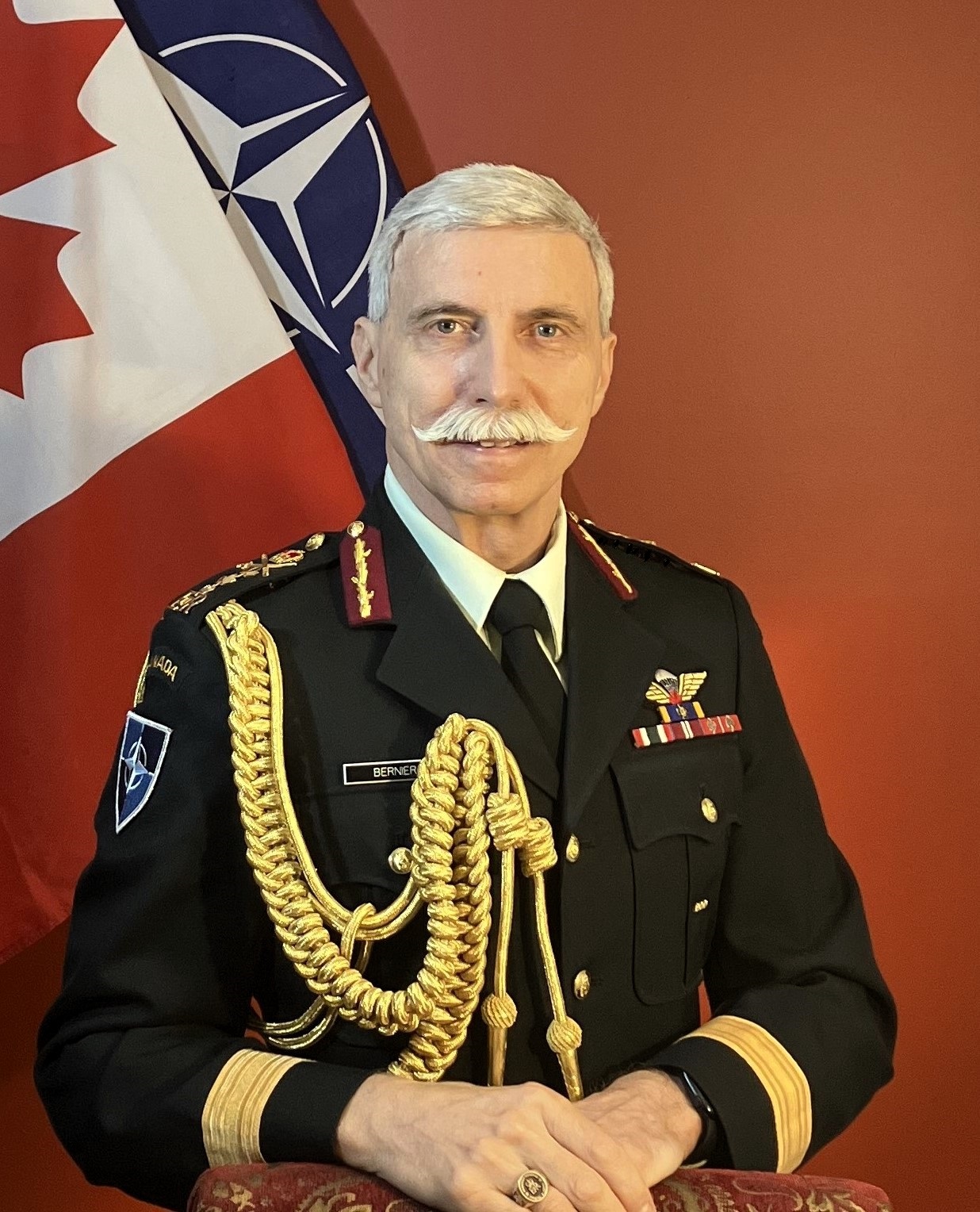 The Honourable Edith Dumont, Lieutenant Governor of Ontario and Chancellor of the Order of Ontario, has announced that Major-General (Retd) Jean-Robert Bernier, OMM, CD (RMC 1982) has been appointed to the Order of Ontario for 2025, along with 29 others.
The Order of Ontario recognizes those whose distinguished service and extraordinary achievements have helped build a stronger Ontario and Canada. Members of the Order come from all walks of life and represent many fields, including public service, skilled trades, business, technology, mining, sports, the arts, health care, science and many more. “The 2025 Order of Ontario appointees represent the very best of our province,” said the Honourable Edith Dumont, Lieutenant Governor of Ontario. “Through their exceptional dedication and achievements, they have made profound contributions that have touched lives across Ontario and beyond. May their remarkable examples continue to inspire us all to work together for the greater good.”
The 2025 Order of Ontario appointees will be invested by Her Honour at a ceremony in Toronto later this year.
CITATION
Major-General (Retd) Jean-Robert Bernier has shaped global health security through a career leading military medicine and international governance. As Canada’s Surgeon General and NATO’s chief medical adviser, he strengthened health system capability modernization and integration and oversaw life-saving initiatives in conflict zones and humanitarian crises. His influence drove the development of medical defenses against weaponized and natural health threats, advanced mental health strategies and global health research collaborations.
L’honorable Edith Dumont, lieutenante-gouverneure de l’Ontario et chancelière de l’Ordre de l’Ontario, a annoncé que , le major-général (à la retraite) Jean-Robert Bernier, OMM, CD, (CMR 1982) a été nommé membre de l’Ordre de l’Ontario pour 2025, aux côtés de 29 autres personnes.
L’Ordre de l’Ontario reconnaît celles et ceux dont les services distingués et les réalisations exceptionnelles ont contribué à bâtir un Ontario et un Canada plus forts. Les membres de l’Ordre proviennent de tous les horizons et représentent de nombreux domaines, dont la fonction publique, les métiers spécialisés, les affaires, la technologie, les mines, le sport, les arts, les soins de santé, les sciences et bien d’autres. « Les personnes nommées à l’Ordre de l’Ontario en 2025 représentent ce que notre province a de meilleur », a déclaré l’honorable Edith Dumont, lieutenante-gouverneure de l’Ontario. « Par leur dévouement et leurs réalisations exceptionnels, elles ont apporté une contribution profonde qui a marqué des vies partout en Ontario et au-delà. Puisse leur exemple remarquable continuer de nous inspirer tous à œuvrer ensemble pour le bien commun. » Les récipiendaires de l’Ordre de l’Ontario de 2025 seront investis par Son Honneur lors d’une cérémonie qui aura lieu à Toronto plus tard cette année.
CITATION
Le major-général (à la retraite) Jean-Robert Bernier a façonné la sécurité de la santé mondiale tout au long de sa carrière au cours de laquelle il a dirigé la médecine militaire et la gouvernance internationale. En tant que médecin général du Canada et conseiller médical en chef de l’OTAN, il a renforcé la modernisation et l’intégration des capacités du système de santé, et a supervisé des initiatives de sauvetage dans des zones de conflit et lors de crises humanitaires. Son influence a entraîné l’élaboration de défenses médicales contre les menaces armées et naturelles pour la santé, la promotion de stratégies en matière de santé mentale et des collaborations mondiales à la recherche sur la santé.
After 15 years of planning, fundraising and finally, construction, the “National Memorial to the Fallen” was recently unveiled at Macdonald Park in Kingston, Ontario. The memorial, which honours, in one location, not only the over 120,000 Canadian service personnel who have died as a result of war / conflict since the War of 1812, as per the eight Books of Remembrance on Parliament Hill in Ottawa, but also those before 1812 who contributed to shaping Canada through various conflicts. The memorial was conceived and built by the National Wall of Remembrance Association (NWORA) in partnership with the City of Kingston.
For the memorial, the City of Kingston and Parks Canada provided a very prominent piece of land beside Murney Tower, a 19th Century fortification along Kingston’s waterfront. Former Chief of Defence Staff (CDS) from 2008-2012, General ‘Walt’ Natynczyk , who recently kindly volunteered to be a Patron for NWORA, was the guest of honour for the unveiling, which took place on 1 November 2025. His poignant and heart-rending speech can be found on the NWORA website.
Centered around a Canadian Flag flying high on a 25’ flagpole and a large compass rose base representing the far corners of the world where Canadian service personnel have fought and died for Canada, there are four large granite pillars representing four periods of conflict: Pre-First World War; the First World War; the Second World War, and Post-Second World War. Each pillar includes key images from those timeframes reflecting the human face of war.
This physical memorial complements a virtual memorial which NWORA has developed to recognize the names of every one of the over 120,000 Fallen. The aim is to gather information/ stories on each one of the Fallen; improving the Virtual Memorial is the next major effort for NWORA.
NWORA also supports four other programmes to help honour the Fallen: a Community Memorials Programme which helps provide funding for communities to repair or build local monuments; an Education Outreach Programme to help educate our youth about the sacrifices of the Fallen; a Scholarship Programme; and finally, a Flag Programme.
Three Ex Cadets figured prominently in the development of this Memorial over the years as part of the NWORA Board of Directors. Most recently, seeing it thru to completion: Colonel (Retired) Bruce Ewing served as the Vice Chairman of NWORA; Lieutenant-Colonel (Retired) Louis Cyr served as the Secretary/Treasurer; and Lieutenant-Colonel Bill Cummings oversaw the Education Outreach Programme.
For more information on the National Memorial to the Fallen, the Virtual Memorial, and the various NWORA Programmes, please visit www.CanadianFallen.ca
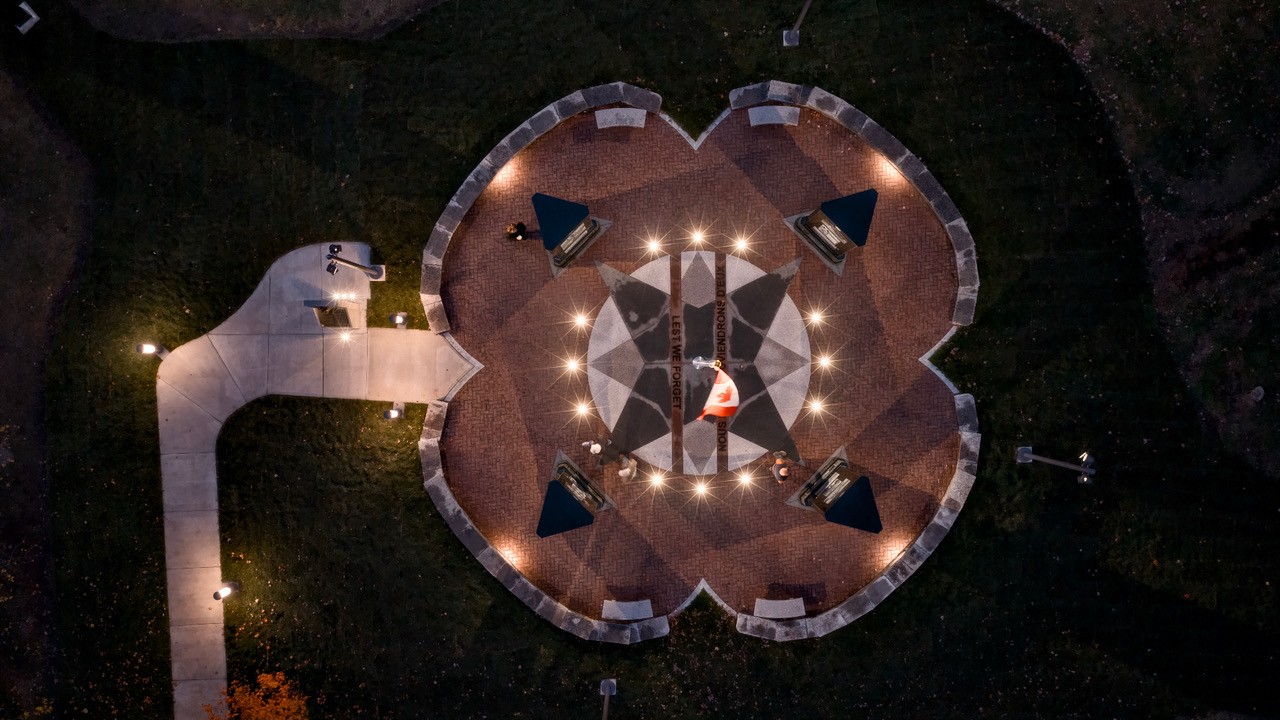
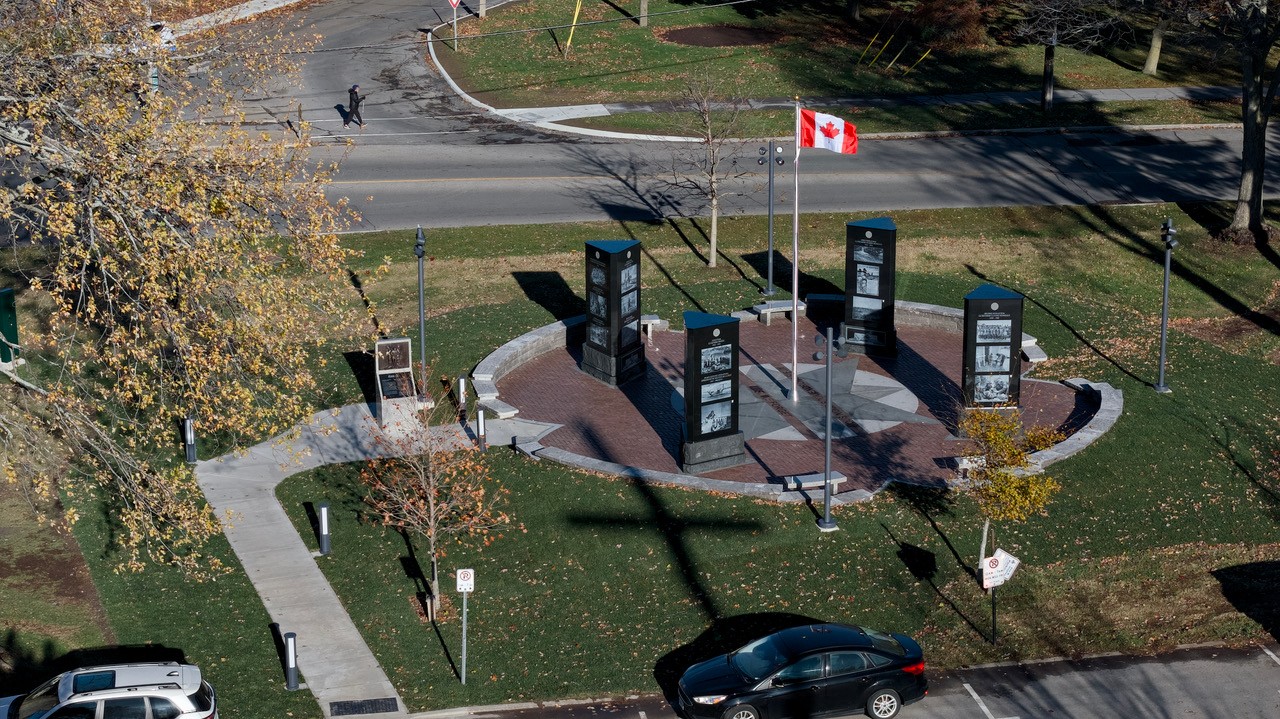
Monument commémoratif national aux Canadiens tombés au combat
Après 15 ans de planification, de collecte de fonds et enfin de construction, le « Monument commémoratif national aux Canadiens tombés au combat » a été inauguré au parc Macdonald à Kingston, en Ontario.
Ce mémorial rend hommage, en un seul lieu, aux plus de 120 000 militaires canadiens morts à la suite de guerres ou de conflits depuis la guerre de 1812, comme l’indiquent les huit Livres du Souvenir sur la Colline du Parlement à Ottawa. Il rend hommage aussi à ceux qui, avant 1812, ont contribué à façonner le Canada au travers de divers conflits. Le mémorial a été conçu et construit par l’Association de la Muraille commémorative nationale (AMCN), en partenariat avec la Ville de Kingston.
Pour le mémorial, la Ville de Kingston et Parcs Canada ont mis à disposition un terrain de choix à proximité de la tour Murney, une fortification du XIXe siècle située sur la berge du lac Ontario à Kingston. L’ancien chef d’état-major de la Défense (CEMD) de 2008 à 2012, le général « Walt » Natynczyk, qui a récemment accepté d’être mécène de l’AMCN, était l’invité d’honneur de l’inauguration, qui a eu lieu le 1er novembre 2025. Son discours poignant et émouvant est disponible sur le site web de la NWORA.
Au centre, un drapeau canadien flotte fièrement sur un mât de 7,6 mètres (25 pieds), entouré d’une grande rose des vents symbolisant les quatre coins du monde où les militaires canadiens ont combattu et sont morts pour le Canada. Quatre imposants piliers de granit représentent quatre périodes de conflit : avant la Première Guerre mondiale, la Première Guerre mondiale, la Seconde Guerre mondiale et après la Seconde Guerre mondiale. Chaque pilier arbore des images marquantes de ces époques, illustrant la dimension humaine de la guerre.
Ce mémorial physique complète un mémorial virtuel créé par l’AMCN pour honorer la mémoire de plus de 120 000 soldats tombés au combat. L’objectif est de recueillir des renseignements et des témoignages sur chacun des soldats tombés au combat. L’amélioration du Mémorial virtuel constitue le prochain grand projet de l’AMCN.
L’AMCN soutient également quatre autres programmes visant à honorer la mémoire des soldats tombés au combat : le Programme de monuments commémoratifs communautaires qui contribue au financement de la réparation ou de la construction de monuments locaux par les collectivités; le Programme de sensibilisation à l’éducation qui vise à informer les jeunes sur les sacrifices des soldats tombés au combat; le Programme de bourses d’études; et enfin, le Programme de drapeaux.
Trois anciens cadets ont joué un rôle prépondérant dans l’élaboration de ce mémorial au fil des ans, en tant que membres du conseil d’administration de l’AMCN. Plus récemment, ils ont supervisé son achèvement : le colonel (à la retraite) Bruce Ewing a occupé le poste de vice-président de la NWORA ; le lieutenant-colonel (à la retraite) Louis Cyr celui de secrétaire-trésorier ; et le lieutenant-colonel Bill Cummings a supervisé le programme de sensibilisation à l’éducation.
In exclusive analysis, former Canadian defence chief says we can no longer afford to just claim the Arctic
Gen. Tom Lawson (RMC 1979) is a retired Royal Canadian Air Force general. He was Chief of the Defence Staff of Canada’s Armed Forces from October 2012 to July 2015 and was previously Deputy Commander of the North American Aerospace Defence Command. He is currently Chair of the Board at the Conference of Defence Associations Institute (CDAI) and consults Canadian and American defence and security firms. This is his guest column for CTVNews.ca.
Unless you have spent long hours flying over Canada’s Arctic, it is difficult to grasp its scale, its harshness, or its emptiness. And yet this forbidding territory is becoming one of the most strategically important parts of our country’s future.
Why does it matter? Who else is interested in it? And what must Canada do to protect its sovereignty?
Canada’s Arctic Archipelago, more than 36,000 islands north of the mainland, is home to just 25,000 people. By comparison, the United Kingdom is six times smaller in area and home to 70 million people. Many of these islands are ice-covered year-round, and the most northerly endure months of continuous winter darkness. This land may look empty and inhospitable, but it is far from worthless.
Three Canadian cadets receive training at the KSF
https://kosovapress.com/eng/three-canadian-cadets-receive-training-at-the-ksf
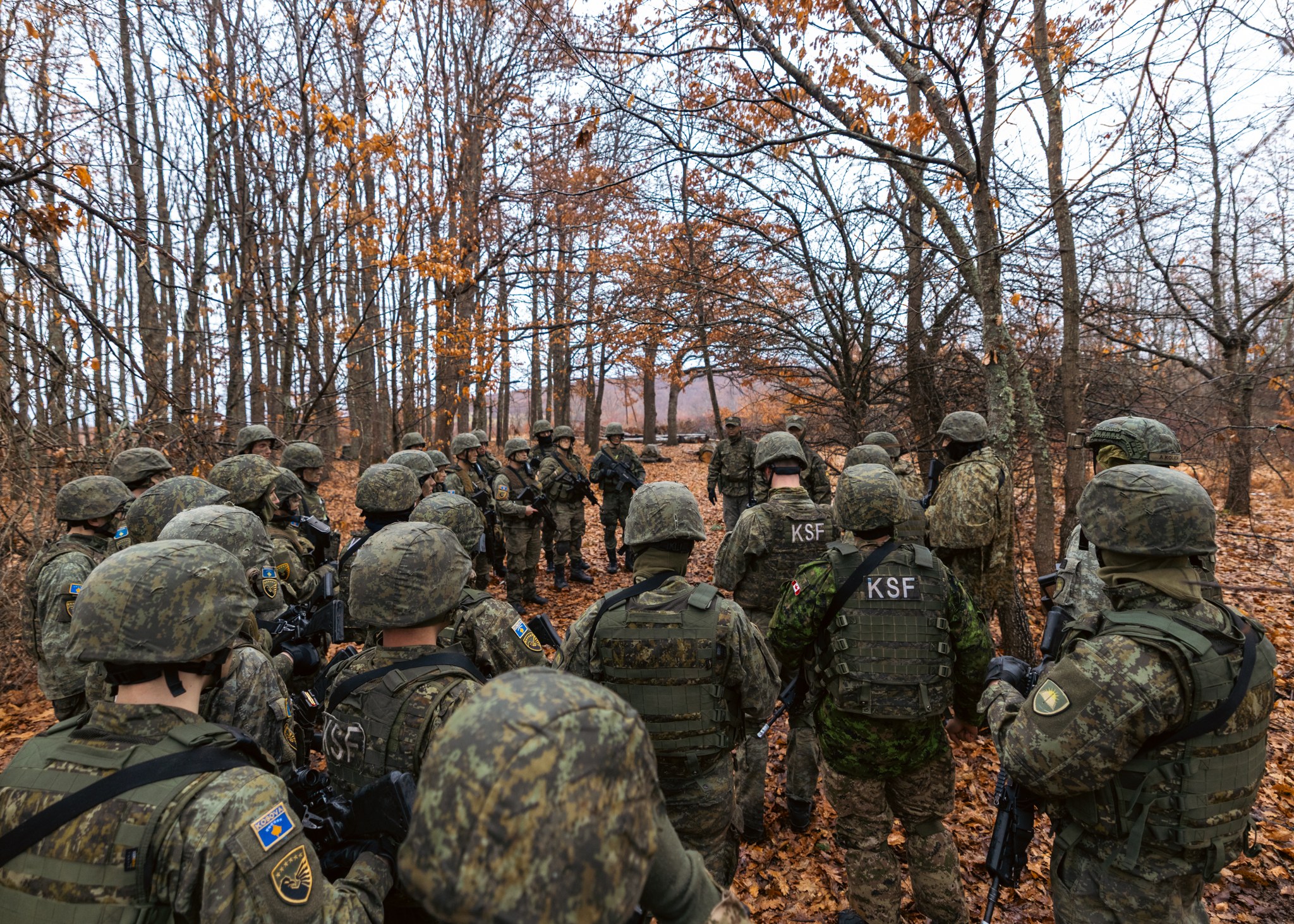
Three cadets from Canada’s Royal Military College “Saint-Jean” are continuing their studies at the Center for University Studies of the Kosovo Security Force (KSF). In this capacity, they participated in a 36-hour field exercise, during which cadets of this center conducted practical training in defensive operations. During the open-air exercise, they engaged in a range of operational tasks, including fortifying defensive positions, conducting reconnaissance operations, and defending the area. According to the KSF, this activity served to increase professional readiness and improve the cadets’ tactical skills.
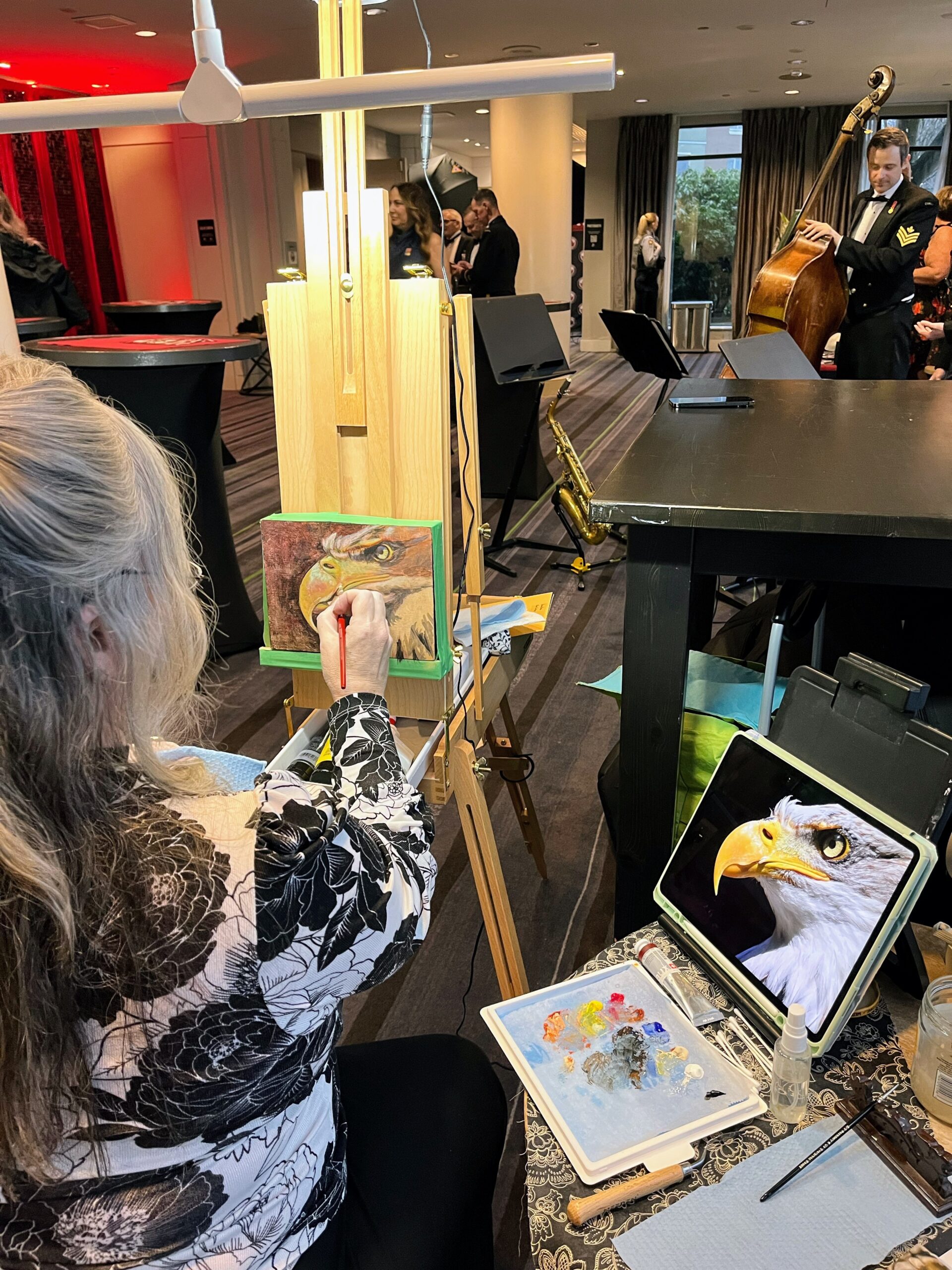 On Jan 31 the annual Wounded Warriors Canada Gala fundraiser dinner was held at the Delta Ocean Pointe Hotel in Victoria, and I had heard about it through our VIECC Club network (I’m on the exec of our local club). I decided I wanted to help with the fundraising, so I offered my “services” as an artist to help raise funds. I was hurt in my service in 2012 on training, I’m Class of 2011 , and I was medically discharged in 2015. Since the injury I’ve struggled with chronic pain and ongoing health issues, but creating has always been a great way for me to be pain-free even for a short time. I did the WWC Battlefield Bike Ride in 2015 just before my release, I was the only physically disabled rider there, and I had my service dog aboard my recumbent trike. So I knew all about WWC and the wonderful things they do to help those who have served, so I wanted to help again.
I volunteered to do a live painting in the reception area while the guests were mingling, and after the dinner the painting was auctioned off to raise money for WWC. It was such a neat way to give back to wonderful organizations like WWC, and to show that despite being permanently hurt there is hope and life after injury. I proudly wore my Minister of Veterans Affairs Commendation on my blouse, and was very grateful to be able to help out (and have people be able to see an artist at work in front of them, as that’s not very common). – Dana Batho RMC 2011
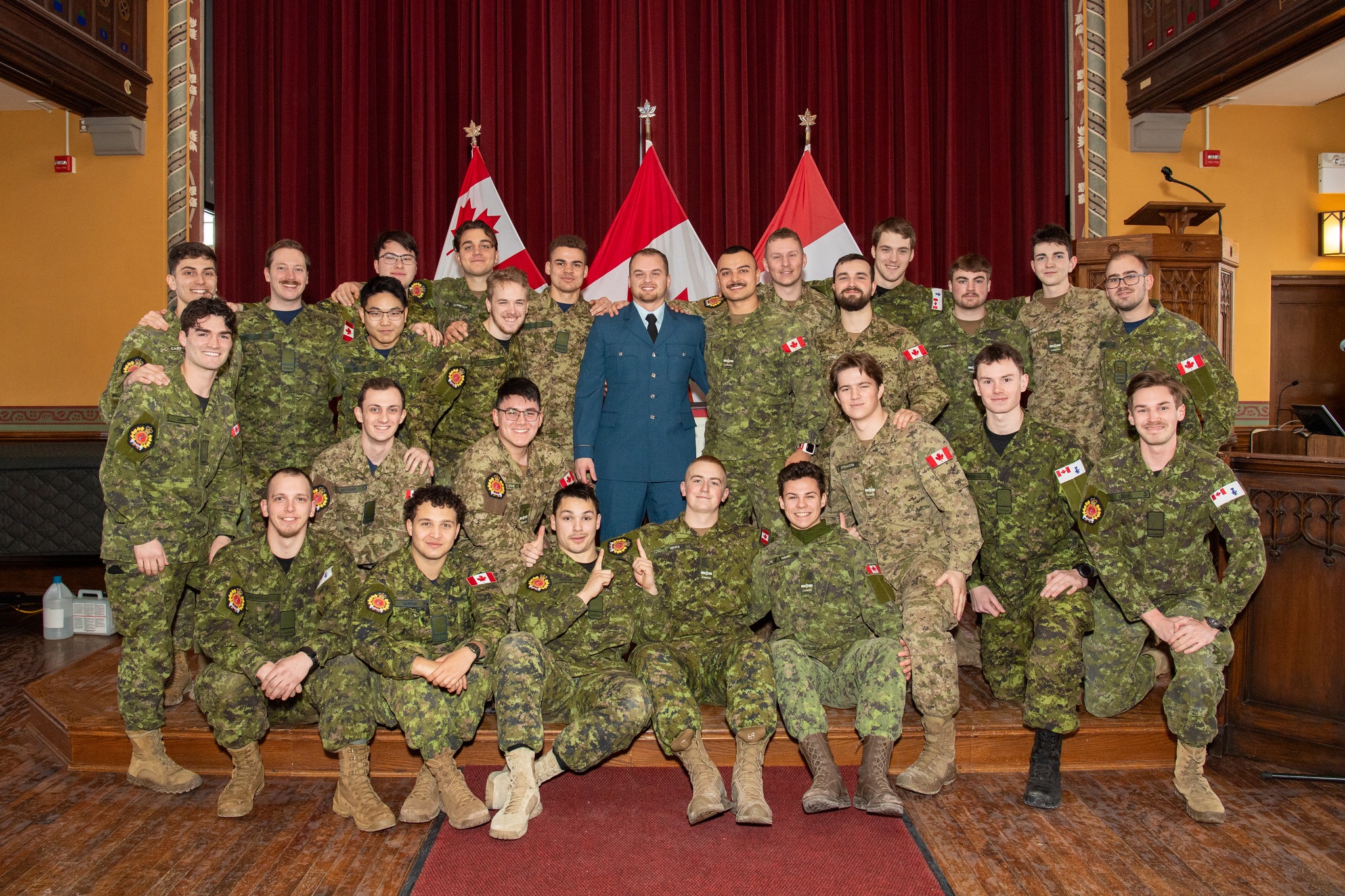
Photo by/par Cpl BJ Liddy