
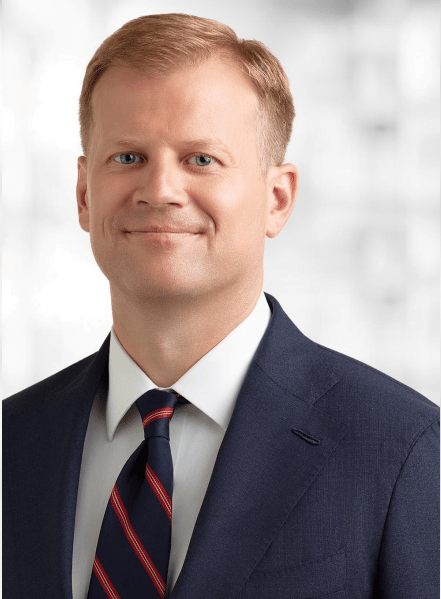
Noting the significant investment in national security as a part of the federal government’s industrial strategy, Blake, Cassels & Graydon LLP (Blakes) announced the addition of Matthew McLeod (RMC 2007) as a Toronto-based partner in its defence practice.
“We are delighted to welcome Matt to the Blakes partnership,” said Geoffrey Belsher, the firm’s chair, in a news release. “Matt has an excellent reputation grounded in legal expertise, practical counsel and his first-hand understanding of the Canadian defence ecosystem.”
With a military, business, technology, engineering, and legal background, McLeod has held roles in private practice, the in-house context, executive leadership, and private and public companies.
According to Blakes, clients can benefit from McLeod’s relationships in the defence sector and his knowledge of its commercial, operational, and regulatory aspects. His legal experience has encompassed transactions, investments, and corporate matters.
France Hébert RMC 1992 Retirement Notice

After seven rewarding years, I will be retiring from CAE.
This decision comes with a mix of emotions. CAE has given me the opportunity to work alongside exceptional colleagues, customers, partners, and government and military leaders, all united by a commitment to strengthening defence, security, and aerospace capabilities in Canada and around the world.
Looking back, I am incredibly proud of what we accomplished together. From supporting major programs and partnerships to helping advance important conversations across our industry, the work has been both meaningful and inspiring. More importantly, it has been the people who made the journey so memorable.
I am deeply grateful to everyone who placed their trust in me, challenged me to think differently, collaborated through complex issues, and shared in both the successes and the setbacks along the way. Those relationships will remain one of the most valuable parts of my career.
While I am retiring from CAE, I look forward to remaining engaged, staying connected, and continuing the many relationships that have shaped my career. I hope our paths continue to cross in the years ahead.
Thank you to everyone who has been part of this journey. It has truly been a privilege.
Science, technology open new avenues for Vietnam-Canada ties
https://en.vietnamplus.vn/science-technology-open-new-avenues-for-vietnam-canada-ties-post352264.vnp
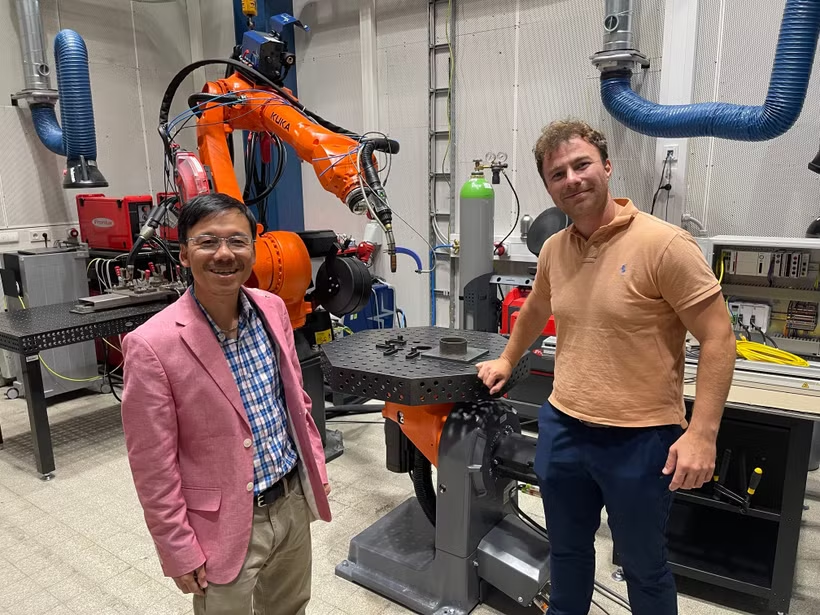
Ottawa (VNA) – Artificial intelligence, aerospace and other strategic technologies are opening new avenues for Vietnam and Canada to deepen cooperation, with the potential to turn scientific partnerships into concrete products, businesses and economic value.
The assessment was made by Assoc. Prof. Vu Viet Hung, a researcher at the Department of Mechanical and Aerospace Engineering of the Royal Military College of Canada, in an interview with Vietnam News Agency (VNA) correspondents in Ottawa ahead of General Secretary of the Communist Party of Vietnam Central Committee and President To Lam’s state visit to Canada.
Hung, Chairman of the Canadian Vietnamese Scholars and Experts Association (CVSEA), said both countries were increasingly identifying AI, quantum technology, clean energy and aerospace as strategically important areas.
For Vietnam, he suggested initially focusing on two areas where the two sides could complement each other particularly well: AI applications and aerospace technology.
Rather than immediately joining the race to develop large-scale foundation AI models, Vietnam could place greater emphasis on applying and commercialising existing technologies, Hung said.
Canada has a strong AI research ecosystem, while Vietnam offers a large and dynamic market for practical applications, supported by a young population, a growing technology workforce and the ability to test new solutions relatively quickly.
Centre for International and Defence Policy
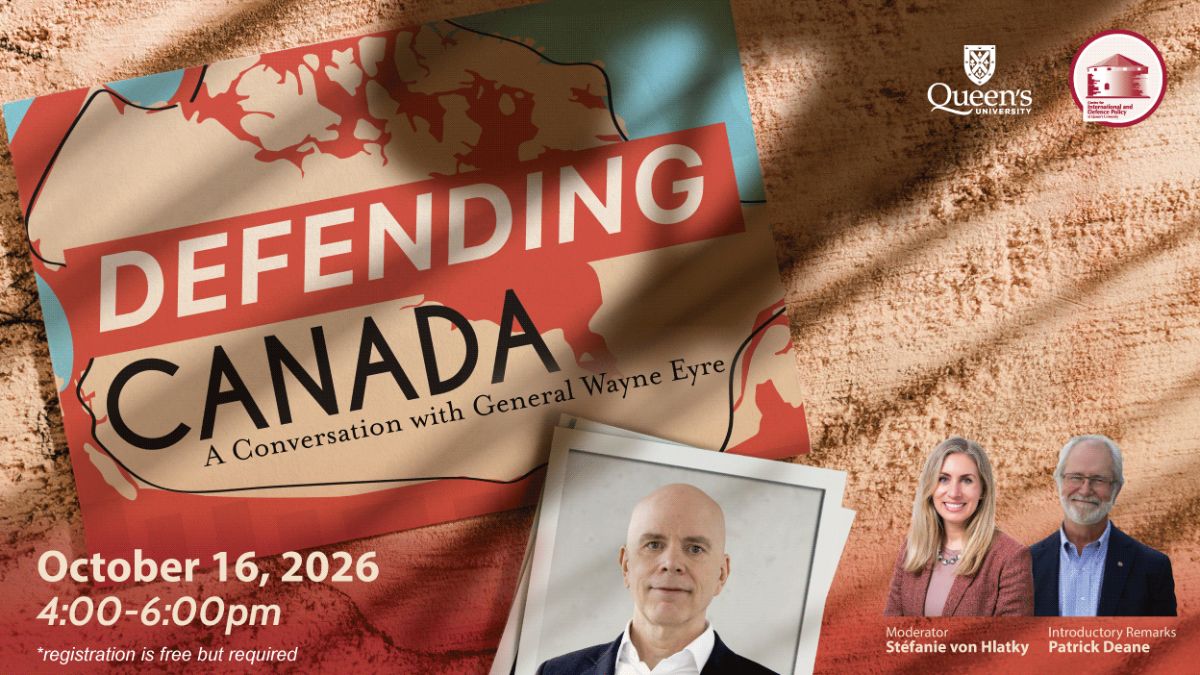
Join us on October 16 from 4:00 to 6:00 p.m. for a conversation with Canada’s former Chief of the Defence Staff, General (Ret’d) Wayne Eyre, as he discusses the current challenges facing Canada’s national defence. The event will feature opening remarks by Principal Patrick Deane, followed by a fireside chat with Associate Vice-Principal (Research) Dr. Stefanie von Hlatky and a networking reception with General Eyre and Queen’s defence researchers.
Register by 1 October: https://www.queensu.ca/cidp/events/partner-events/defending-canada-conversation-general-wayne-eyre
Reshared from Max Shaw’s LinkedIn RMC 1993
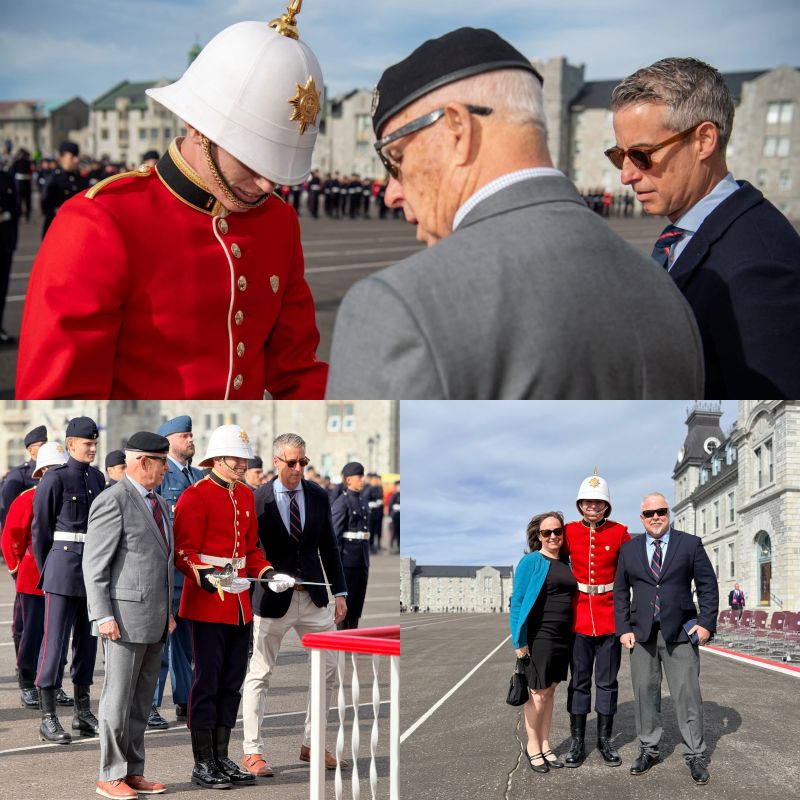
Elizabeth Brown-Shaw and I were honoured to spend a weekend back at RMC for the 150th Gala Weekend, celebrating alongside classmates and our son who is a cadet at the College.
The gala dinner opened with remarks from the Governor General and was emceed by Rick Mercer and Erin O’Toole (whom I had not seen since we served on squadron together back in the 90s). Erin joked that it was too easy to be the straight man sharing the dais with Rick Mercer, and Rick, funny as always, gave a talk that carried a thoughtful thread throughout: what does it mean to be Canadian? Still a work in progress but ever more relevant now.
We were also lucky enough to watch Johnathan lead his young cadets through the annual obstacle course and an ever prouder moment followed: Johnathan was awarded the “Matthew Dawe Memorial Sword” for top Combat Arms student in his year.
Throughout the weekend, I was reminded how fortunate I was to attend this fine institution and meet such remarkable people all those years ago. It is always inspiring to see what my classmates continue to achieve.
Shared from Amber Comisso RMC 2001 LinkedIn
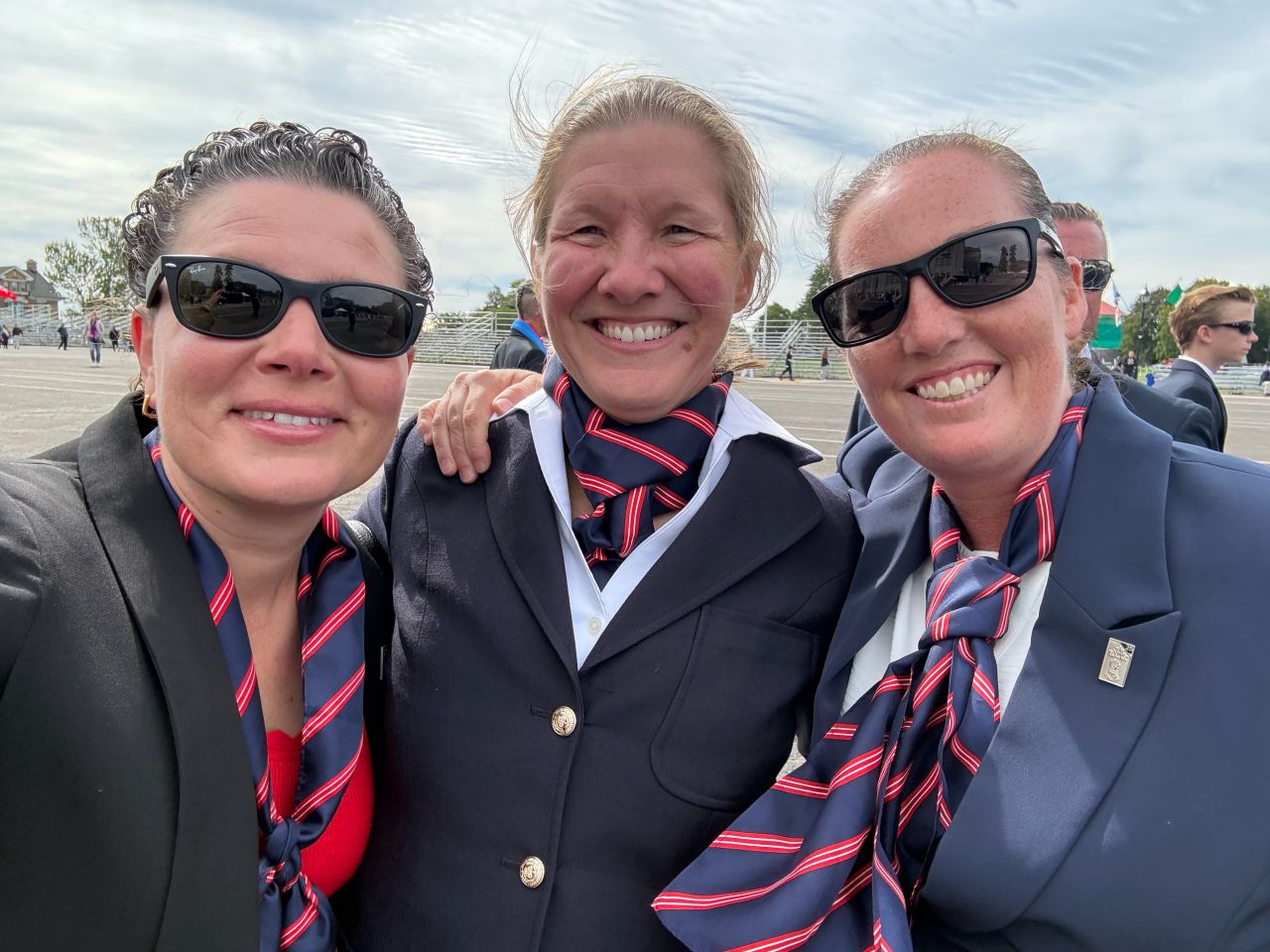
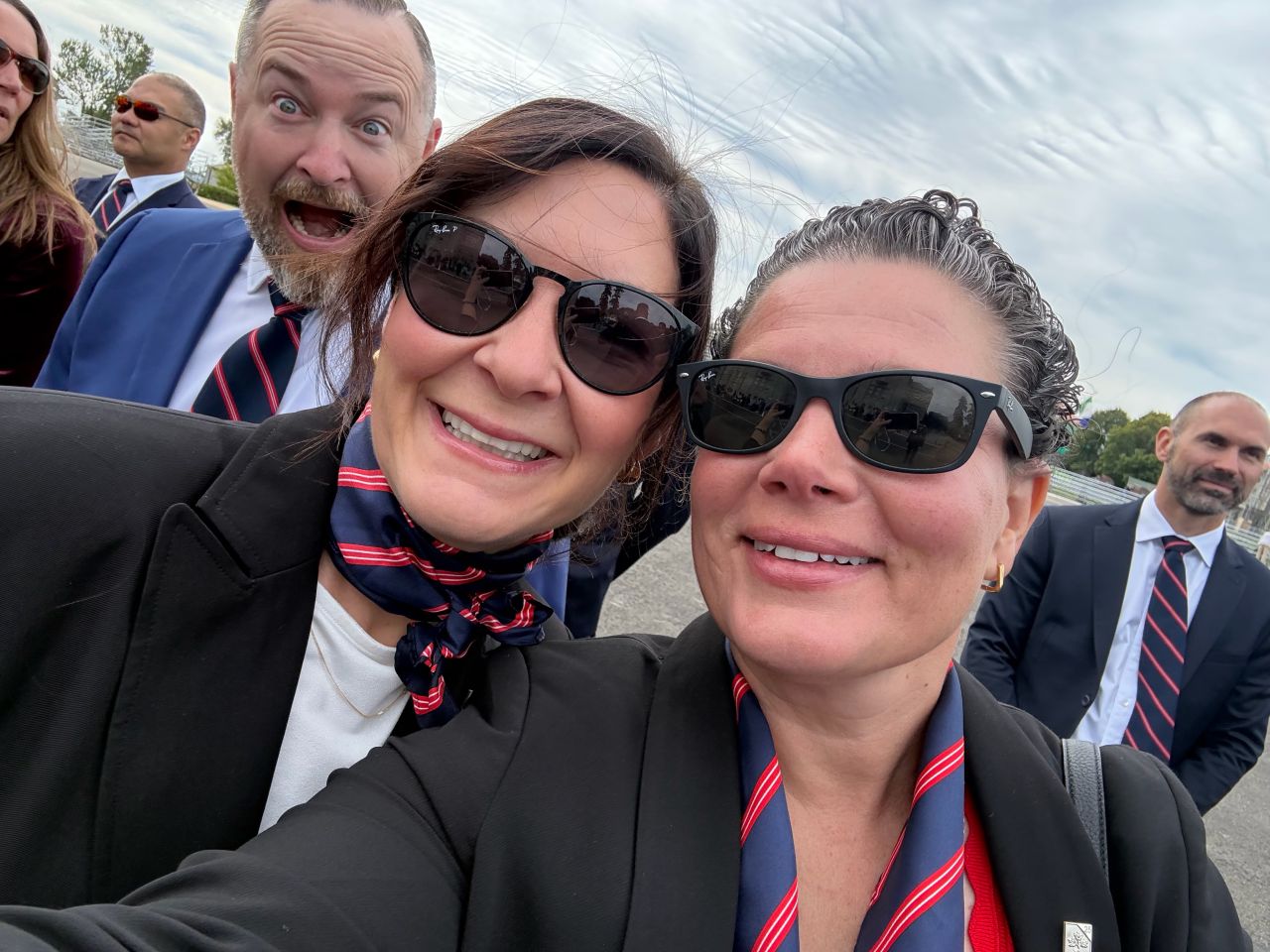
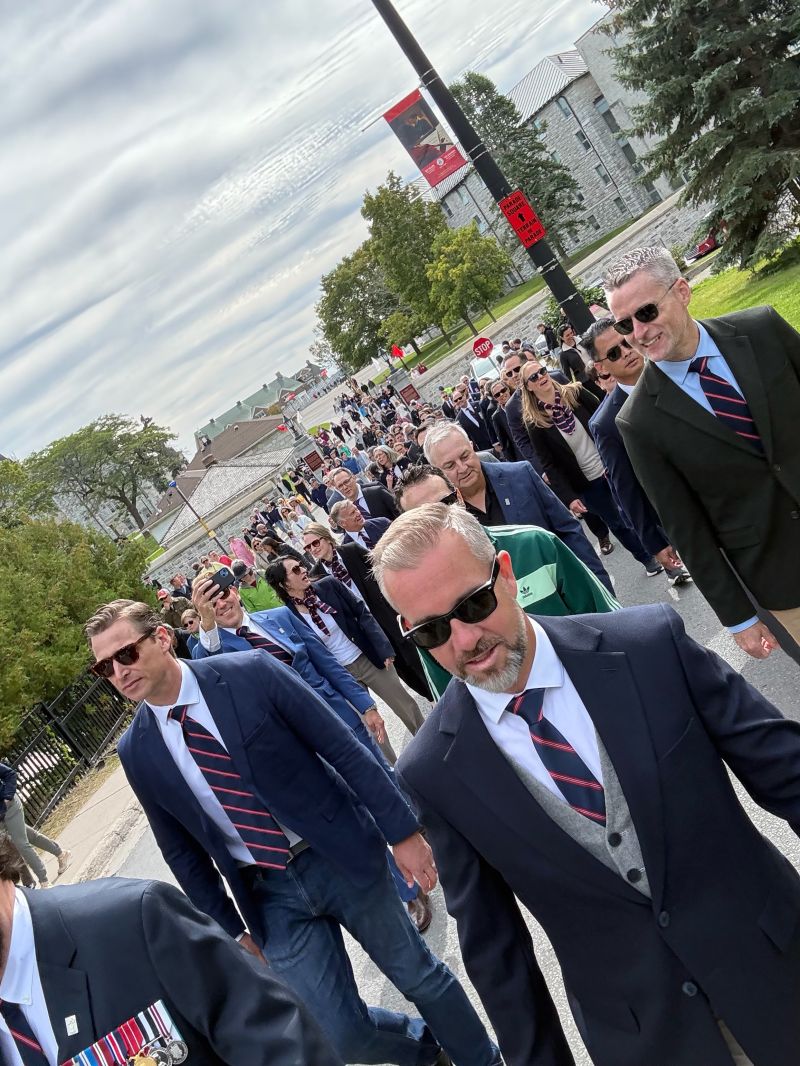
Honoured to march with the ex-cadets on Saturday to the Memorial Arch to commemorate those we lost this year. Walking with the generations that came before & after me at Royal Military College of Canada/Collège militaire royal du Canada was very inspiring and really touching. As we began to proceed down the route, watching the oldest of the ex-cadets lead the newest members of the ex-cadet corp was like watching a Time Machine in action… just incredible and unforgettable
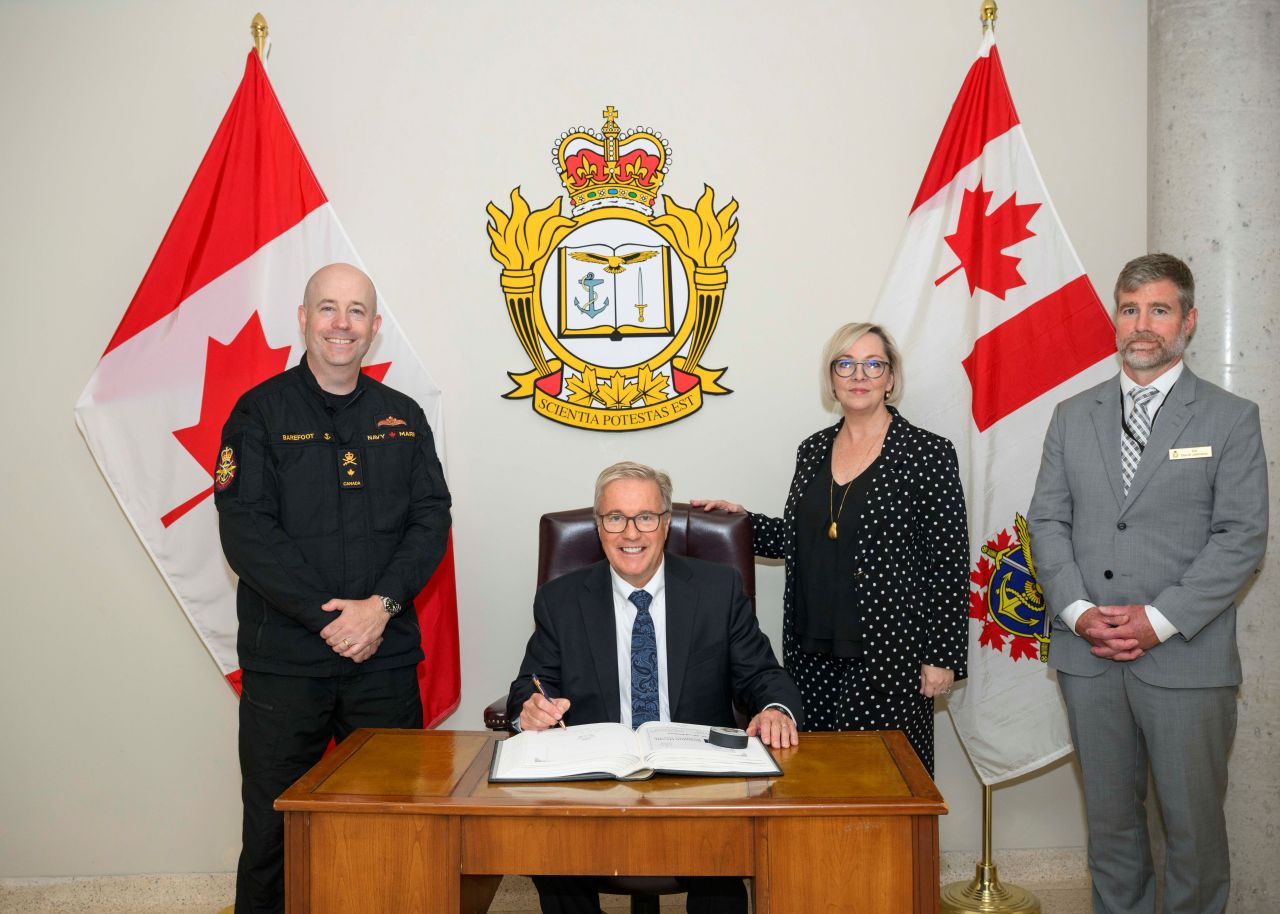
On 17 September 2026, it was a privilege to welcome Dr. David Pichora, President and CEO of Kingston Health Sciences Centre, to the Canadian Forces College.
Dr. Pichora shared valuable insights with the National Security Programme concerning institutional leadership, organizational transformation, and leading complex institutions through periods of change.
Thank you, Dr. Pichora, for taking the time to engage with CFC and contribute to the professional military education of our programme participants. Partnerships with leaders from outside the military profession enrich our learning environment by broadening our understanding of leadership across multiple sectors.
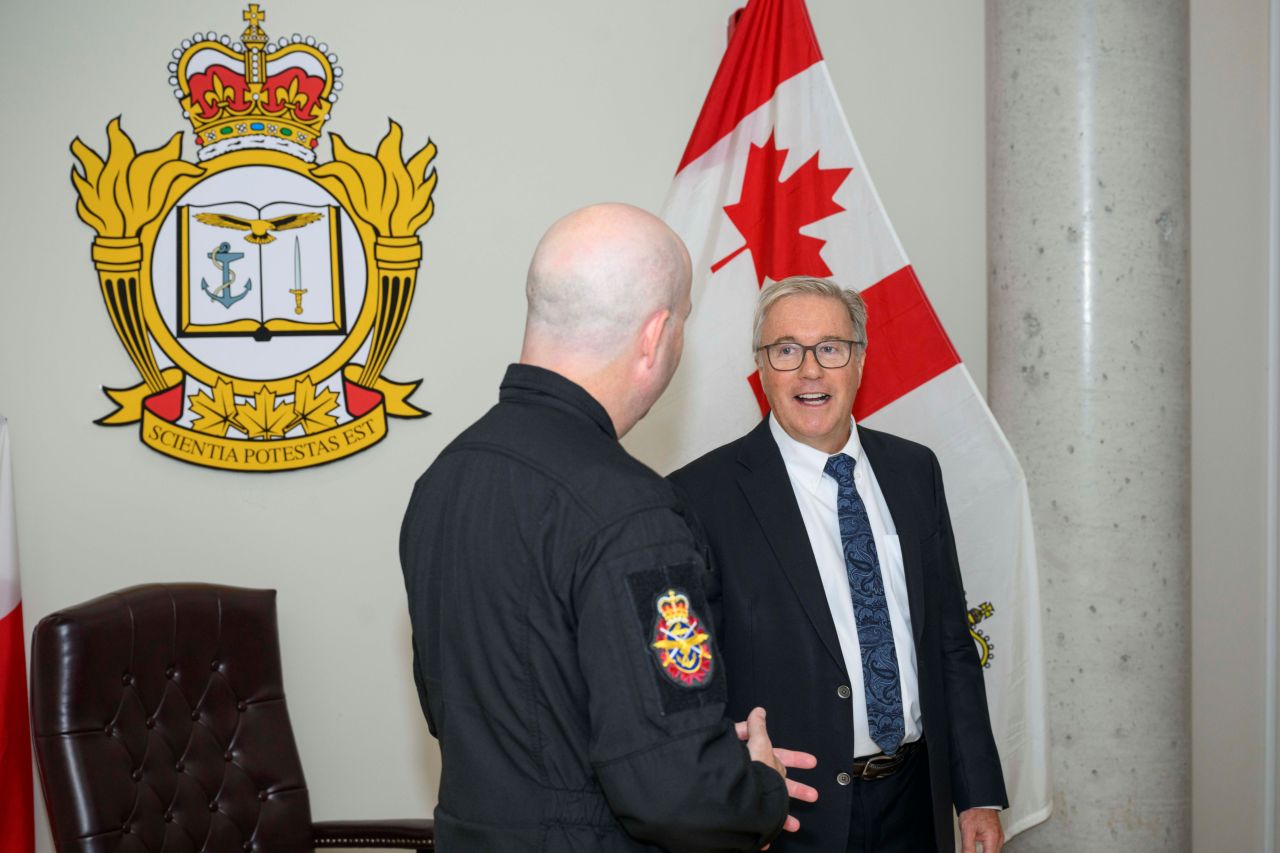
Le 17 septembre 2026, ce fut un privilège d’accueillir le Dr David Pichora, président-directeur général du Centre des sciences de la santé de Kingston, au Collège des Forces canadiennes.
Le Dr Pichora a partagé avec les participants du Programme de sécurité nationale de précieuses réflexions sur le leadership institutionnel, la transformation organisationnelle et la direction d’institutions complexes en période de changement.
Merci, Dr Pichora, d’avoir pris le temps d’échanger avec le CFC et de contribuer à notre formation militaire professionnel. Les partenariats avec des dirigeants provenant de l’extérieur de la profession militaire enrichissent notre environnement d’apprentissage en élargissant notre compréhension du leadership dans de multiples secteurs.
Mayor: John Edward Krusky – Meet the Candidates in the Upcoming Guelph Election
https://www.guelphtoday.com/2026-municipal-election-news/mayor-john-edward-krusky-12779579
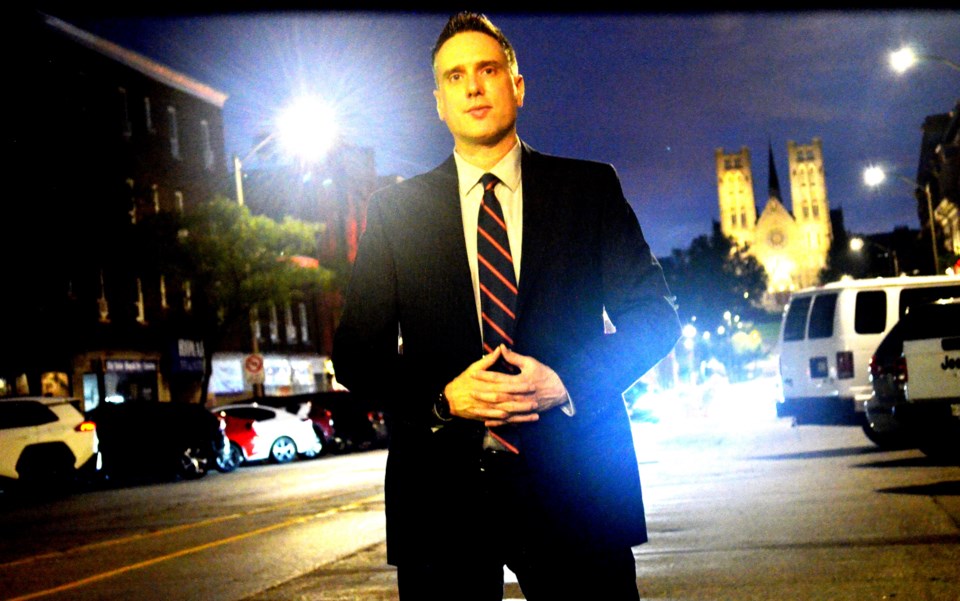
Mayor: John Edward Krusky
Occupation:
Private investigator and security consultant, as well as corporate director of a set of companies that I have established in the Guelph-Wellington region
How long have you lived in Guelph?
I was born in Guelph. I attended grade school and secondary school in this city, and I even attended university studies in the criminal justice and public policy program at the University of Guelph.
With the exception of periods of time in the City of Kingston while attending the Royal Military College of Canada for my masters degree in public administration studies specializing in the security and defence sector; and at St. Lawrence College in Kingston where I completed the one-year law clerk program; and about a year in York Region where I completed a law enforcement program at Seneca College; I have resided in this city for approximately forty years now. I also resided in the Guelph-Eramosa Township in Rockwood for about a year.
My family roots go back to the 1830’s in the Guelph-Wellington region, and many of my friends and family live here. It is difficult to see any other place as home.
I Spent Years Working with War Veterans. The Odyssey Hit Me Hard- The journey home can be harder than the battle itself
Erin O’Toole RMC 1995
–https://thewalrus.ca/what-the-odyssey-understands-about-veterans/
A highlight of my recent vacation in Halifax was watching The Odyssey with my son Jack. We were especially lucky to be among the relatively few viewers able to experience the film in all its IMAX 70 mm majesty; Halifax is home to one of only a handful of theatres in Canada equipped to show it in that format. We loved it.
Even if you have not seen it, you likely know the basics of the story. Homer’s 3,000-year-old epic poem is a touchstone of Western mythology and storytelling. I vividly remember learning about The Odyssey in my English class at the Royal Military College. Knowing the room was full of cadets, our professor seized upon the military hero and his long trek home from war to teach us broader lessons about literature. He wove into those discussions Joseph Campbell’s concept of the hero’s journey made famous in his book The Hero with a Thousand Faces. The pattern stretches back to antiquity: a hero departs on a quest, faces a series of trials, and returns home transformed. Campbell saw this arc as part of humanity’s common story, with each of us playing the hero in our own lives. The idea has particular resonance for military veterans, who go off to combat as heroes but find, like Odysseus, that coming home is its own difficult odyssey.
The Odyssey is the OG hero’s journey. The Trojan War takes ten years to complete, but the trip back takes another ten because of incredible challenges along the way. In Christopher Nolan’s version, monsters, witches, sirens, giants, whirlpools, storms, and a cyclops stand between the men and the homes they long for. They lose time, direction, and ultimately themselves. Odysseus appears to offend the gods, and his crew fears they are all doomed. While Odysseus survives, his men do not. He returns to Ithaca, but the homecoming is more tragedy than triumph. He arrives a changed man and finds a land that bears no resemblance to the one he left.
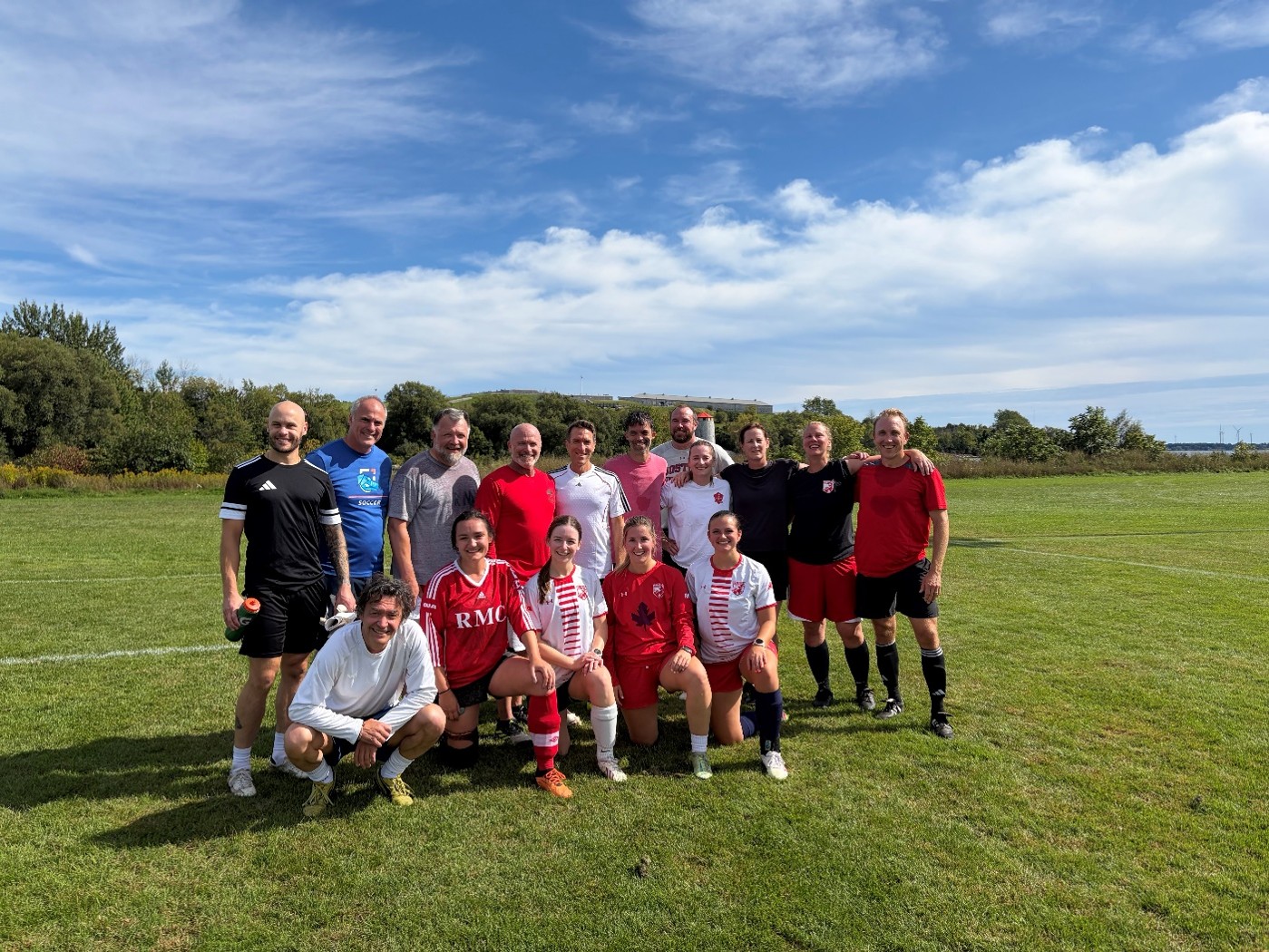
RMC Alumni Soccer Game
We had a fun 7 on 7 small-sided game with the big nets. Fun chirping and banter back and forth. Some pretty sweet goals and the SOFCOM goalie from the class of ’17 made some pretty great saves as well. No one got injured (maybe some pride!)
Editor’s note – Thanks to LCol John Waugh RMC 1996 for organizing
Draganfly Inc. (DPRO) reported the appointment of Colonel (Ret’d) Kevin Leblond RMC 2002 as Vice-President, Canadian Defence and Security, to lead its Canadian military initiatives and broader defence and security business. Leblond brings 29 years of Royal Canadian Air Force experience spanning unmanned systems, continental defence, NATO, NORAD and coalition operations.
His background includes roles as Battle Director at the Combined Air Operations Centre with U.S. Central Command in Qatar, Canada’s lead defence negotiator at NATO in Brussels, Director of the NORAD Office in Ottawa, and Commanding Officer of 443 Maritime Helicopter Squadron overseeing more than 300 personnel. Draganfly states that his appointment strengthens its Canadian defence leadership as it expands engagement with the Canadian Armed Forces, Department of National Defence, defence industry partners and allied governments.
Draganfly Inc. (NASDAQ: DPRO; CSE: DPRO; FSE: 3U8) is a leader in cutting-edge drone solutions and software that are transforming industries and serving stakeholders globally. Recognized for innovation and excellence for over 25 years, Draganfly delivers award-winning technology to the public safety, civil, military, agriculture, industrial inspection, security, mapping, and surveying markets. The Company is driven by passion, ingenuity, and a mission to provide efficient solutions and first-class services to customers worldwide, saving time, money, and lives.
This fall’s RMC-Army hockey game might be the last, West Point coach laments
This year’s Royal Military College-West Point hockey game on Oct. 11 might be the last in a cross-border rivalry dating back to 1923.
The coach of the Black Knights of Army Zach McKelvie expressed concern about the future of a game that has provided a powerful draw for cadets and alumni.
“I am concerned that the NCAA is going to restrict schools playing Canadian colleges,” he said.
Even if RMC and West Point will be given latitude by the U.S. college-sports executive authority, McKelvie laid out the prospect of his team not being allowed to make the trip to Kingston. Traditionally, the respective service academies alternated turns in hosting what had been for decades one of hockey’s most heated rivalries.
McKelvie emphasized the continued importance of the RMC game to the program at West Point.
“We still sell the game (in recruiting) and I’m sure it’s the same for RMC,” said McKelvie, who is entering his second year as the head coach at West Point after serving as an associate coach for 11 seasons. “Our guys prepare for it like it’s a playoff game. They know it’s important to the alumni, to the school, to all the general officers, to the leadership here — they’ll be at the game. There’s a lot of pride.”
McKelvie, a West Point grad who played for the Black Knights and later in the Boston Bruins organization, described the RMC game as “the closest thing to the Army-Navy football game,” one of the most storied rivalries in all U.S. college sports. “For our alumni, the RMC game is an important date,” he said. “Navy doesn’t have a varsity hockey team, but we play Air Force four times a year because they’re in our league, possibly in the playoffs as well.
The End of Canadian Peacekeeping Canada pioneered modern peacekeeping. What will the world look like without it?
https://macleans.ca/politics/the-end-of-canadian-peacekeeping/
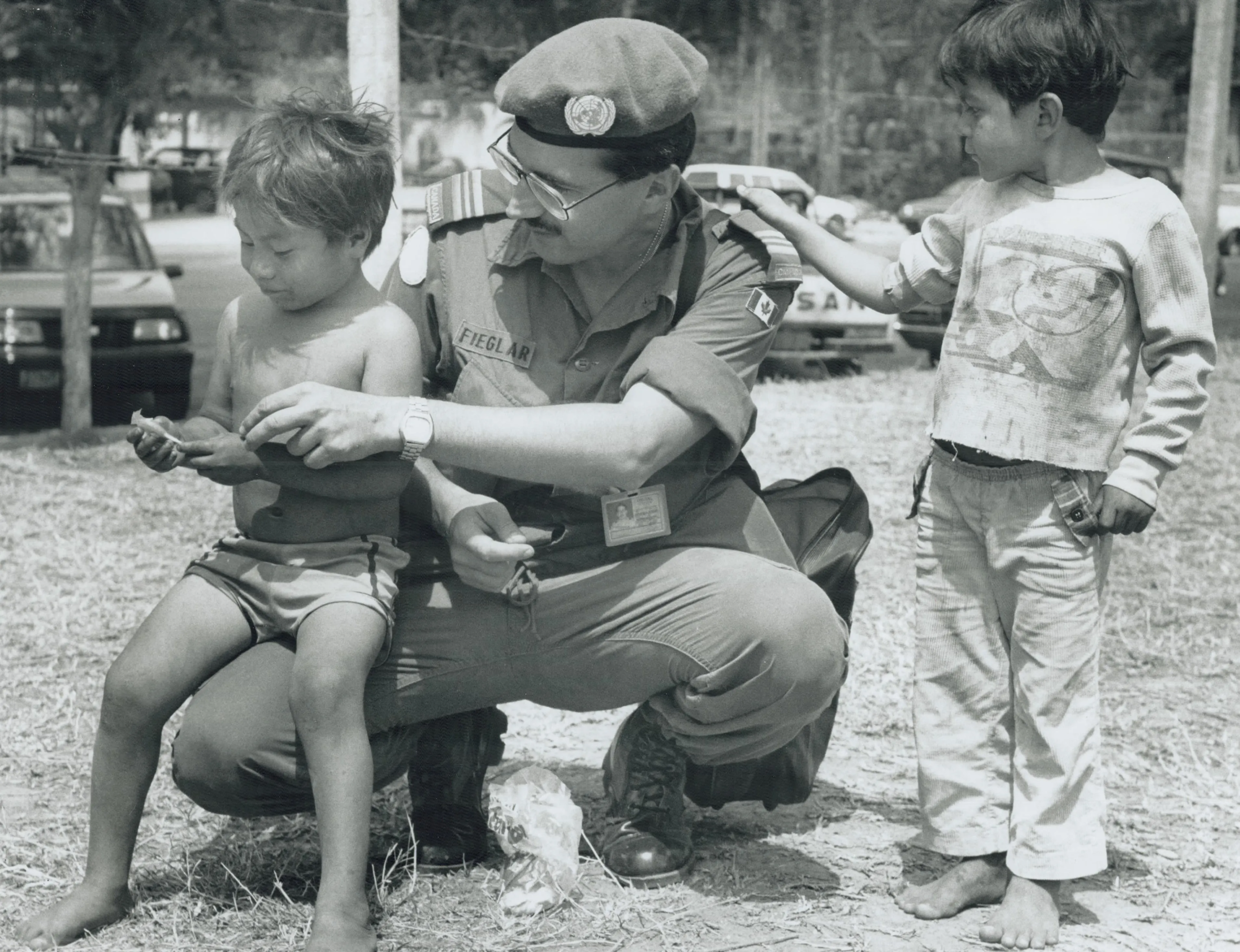
In 1956, Canada invented the UN’s first peacekeeping force. After the Israeli, British and French militaries descended on Egypt during the Suez Crisis, the United Nations faced a conundrum: it could call for peace, but it had few tools to implement and enforce it. Lester B. Pearson, then Canada’s secretary of state for external affairs, proposed something new. Rather than relying on the small teams of unarmed military observers the UN had used before, he envisioned an armed international force deployed using full military units: thousands of troops with a mandate to control the ground between opposing armies.
The result was the United Nations Emergency Force, the first operation of its kind and the model for what would become modern UN peacekeeping. Canadian General E.L.M. “Tommy” Burns became its first commander, and the force helped defuse a crisis that could have spiralled into a wider war, including the potential use of nuclear weapons. In 1957, Pearson won the Nobel Peace Prize for his stroke of genius. From then on, peacekeepers could serve as an impartial but armed presence with enough military power to help deter fighting and stabilize a conflict zone.
During the Cold War, Canada remained one of the world’s most effective peacekeeping nations. Our personnel helped observe and verify the Soviet withdrawal from Afghanistan in the late 1980s and implement peace agreements to end long-running civil wars in El Salvador, Guatemala and Nicaragua. Canadian troops also maintained peace along the Egypt-Israel border following the 1979 Camp David Accords. Even after the end of the Cold War, Canada built on this strong and proud tradition. At its peak in 1993, Canada had more than 3,300 personnel deployed under the UN flag. Canadian generals led nine UN peace operations during the 1990s.
But this past July, the Canadian government announced its plans to close out its contributions to almost all peacekeeping operations over the next year or so. The Canadian peacekeeping presence will be withdrawn in Cyprus, Kosovo, South Sudan and the Democratic Republic of the Congo. Canada will also reduce its role in the multinational mission in Egypt’s Sinai Peninsula, including areas bordering on Gaza. After the withdrawals are completed, we’ll be left with only four or five UN peacekeepers in the field.
Lieutenant-General D.A. Macaulay, CMM, MSM, CD – Senior Military Representative – Indo-Pacific
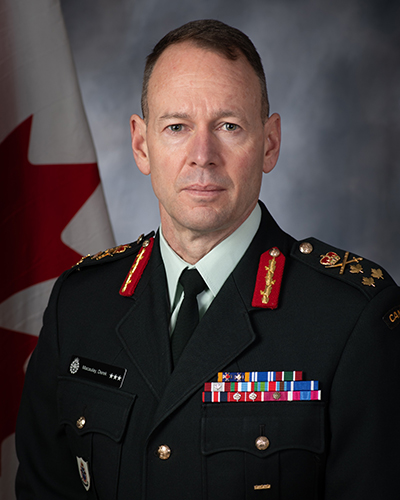 Lieutenant-General Derek (Max) Macaulay has served Canada for more than 30 years in a range of command, operational, and strategic leadership appointments across the Canadian Armed Forces and within multinational organizations. In his current role as Senior Military Representative – Indo-Pacific, he advances Canada’s defence relationships and strategic objectives across the Indo-Pacific region, supporting regional stability, interoperability, and cooperation with allies and partners.
An Armour Officer from Lord Strathcona’s Horse (Royal Canadians), Lieutenant-General Macaulay has held numerous leadership and staff appointments throughout his career. His command experience includes The Strathconas and the 5th Canadian Division (Mighty Maroon Machine). He has also served in senior multinational and operational roles, including Vice Director for Operations at the United States Central Command and Deputy Commander of the United Nations Command in Korea, where he worked closely with allies, partners, and interagency stakeholders in support of collective security objectives.
Throughout his career, Lieutenant-General Macaulay has contributed to strengthening Canada’s defence partnerships, reinforcing collective deterrence, and advocating for international law and regional stability. His experience spans NATO operations, coalition activities, and domestic operations, reflecting a sustained commitment to operational excellence, strategic cooperation, and international engagement. He holds master’s degrees from the Royal Military College of Canada and the United States Army War College. He is married, and he and his wife are proud parents of a creative and spirited daughter.
THE TEAM BEHIND THE MV BARIMA CoI
https://guyanachronicle.com/2026/07/27/the-team-behind-the-mv-barima-coi/
Meet the distinguished experts tasked with uncovering the truth
THE five-member Commission of Inquiry (CoI) that will investigate the MV Barima tragedy brings together an exceptional blend of legal, maritime, engineering and military expertise from across the Caribbean and internationally.
The commissioners possess decades of experience spanning maritime law; naval architecture; casualty investigations; defence and security; judicial administration and public policy. Collectively, they have investigated ship sinkings, maritime accidents, national security matters and complex legal disputes, while advising governments, international organisations and shipping industries around the world.
Their task is to establish the facts surrounding the MV Barima tragedy and make recommendations aimed at strengthening Guyana’s maritime safety framework and preventing similar incidents in the future
Rear Admiral (Ret’d) Hayden A. Pritchard
Decorated military leader and maritime security expert
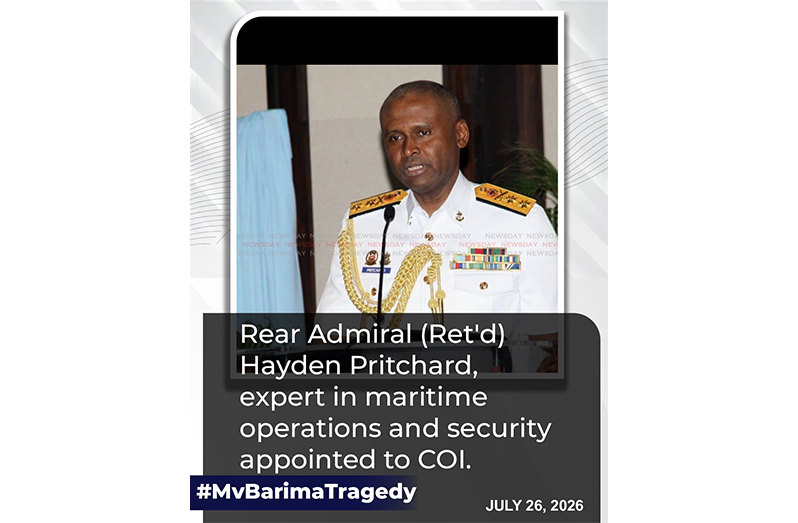 Decorated Trinidad and Tobago Rear Admiral (Ret’d) Hayden A. Pritchard brings more than 38 years of distinguished military service and maritime expertise to the Commission of Inquiry.
Pritchard retired as Chief of Defence Staff of the Trinidad and Tobago Defence Force after a career spanning national security, maritime operations, defence policy, logistics, disaster response and organisational reform. Throughout his service, he became widely recognised for leading major projects in port and maritime operations, ship development, business continuity, crisis management and personnel administration.
His extensive experience also includes policy development, change management and public-sector reform, making him one of the Caribbean’s most accomplished security professionals.
Following his retirement from military service in 2019, Pritchard transitioned into strategic security and policy consulting, where he has continued advising governments and public institutions on national security architecture and organisational development.
Education
- Naval Officer Certificate Training, Britannia Royal Naval College, United Kingdom (1987)
- Maritime Officer Certificate Training, Canadian Coast Guard College (1989)
- Bachelor of Science (Hons.) in Management with a minor in Finance, University of the West Indies (2000)
- Certificate in Decision Support Systems Finance, Institute of Finance and Research, Chennai, India (2002)
- Master Certificate in Project Management, Carnegie Mellon University Heinz School (2003)
- Facility and Vessel Security Programme, United States Merchant Marine Academy (2005)
- Master of Defence and Strategic Studies, Royal Military College of Canada (2009)
- MSc in Logistics (Port Development), Aston University, United Kingdom (2010)
- Caribbean Defence and Security Course, National Defense University, Washington, DC (2010)
- PhD Candidate in Governance and Policy, University of the West Indies
- Marshall Center Scholar, Germany (2017)
Professional experience
Pritchard served with the Trinidad and Tobago Defence Force (Coast Guard) from 1985 to 2019, progressing through the ranks from Junior Officer to Chief of Defence Staff.
His career included:
- United Nations Mission in Haiti (1994–1996), supporting peacekeeping and nation-building operations
- Commander, Port Security (2005–2007)
- Commander, Operations (2010–2012), where he was responsible for designing the Trinidad and Tobago Defence Force Joint Operations Framework and regional Coastal Surveillance Radar System covering Trinidad and Tobago, Grenada, St Vincent and Saint Lucia
- Commanding Officer, Trinidad and Tobago Coast Guard (2014–2017)
- Chief of Defence Staff (2017–2019)
- Chair of the Inter-Ministerial Committee for Counter Terrorism Strategy (2018–2019)
- Principal Point of Contact for Trinidad and Tobago’s National Security Architecture Reform initiatives with the international community
Since retiring, he has served as a strategic security consultant, leading the development of policy guidelines for Trinidad and Tobago’s National Operations Fusion Centre and designing selection instruments for senior leadership positions, including Commissioner of Police, Deputy Commissioner of Police and Deputy Chief Personnel Officer.
Career highlights
Among his many accomplishments, Pritchard:
- Chaired the national committee responsible for implementing Trinidad and Tobago’s Counter Terrorism Strategy.
- Led the drafting of the country’s first Preventing and Countering Violent Extremism (PCVE) and Counter Terrorism plans.
- Developed the operational policy manual for the National Operations Centre.
- Served as Trinidad and Tobago’s lead representative on defence-reform initiatives with the United States Perry Center.
- Led the acquisition of 12 coastal patrol vessels from the Netherlands and two patrol vessels from Australia.
- Directed disaster relief operations in Dominica and Grenada.
- Produced strategic plans for both the Trinidad and Tobago Defence Force and the Trinidad and Tobago Coast Guard.
- Served as Visiting Adjunct Professor in Counter Transnational Organised Crime and the Programme on Terrorism and Security Studies at the George C. Marshall European Center for Security Studies.
- Hosted numerous international security conferences and represented Trinidad and Tobago at regional and international defence forums.
Awards and honours
Pritchard’s distinguished service has earned numerous national and international awards, including:
- Chartered Member, Institute of Logistics and Transport (United Kingdom)
- United Nations Peacekeeping Medal (UNMIH)
- United States Army Achievement Medal
- Two United States Army Commendation Medals
- Delaware National Guard Commendation Medal
- Six National Medals
- Trinidad and Tobago Medal of Merit (Gold)
2 Comments
Leave a Comment


Some interesting reading here on a wide number of people. Good to read. Perhaps on a lesser issue:
re: West Point/RMC hockey, I am hard pressed as to why West Point is “not being allowed to make the trip to Kingston” by the NCAA. Why would the NCAA be the determining body for cross-border travel? One exhibition game a year is a problem? West Point/RMC hockey has a (almost) continuous history since the 1920’s that is greater than any other NCAA rivalry, in any sport, save the Army/Navy, Harvard/Yale games and one or two others. I sense there is a political angle to this rather than a logistical/scheduling one. Unfortunate, but perhaps a sign of the current political climate.
I played in a number of West Point and USAFA games and enjoyed these matches. Tough games. I have good memories of visiting their campuses which are truly remarkable. This is unfortunate.
Whether the orders come from the NCAA of the Army chain of command, the USMA must follow orders. I made some good friends in the US Army during my time on staff at RMC and I feel a real sense of loss if this game, lasting over 100 years, should be cancelled because of a trade war bewteen our two nations.