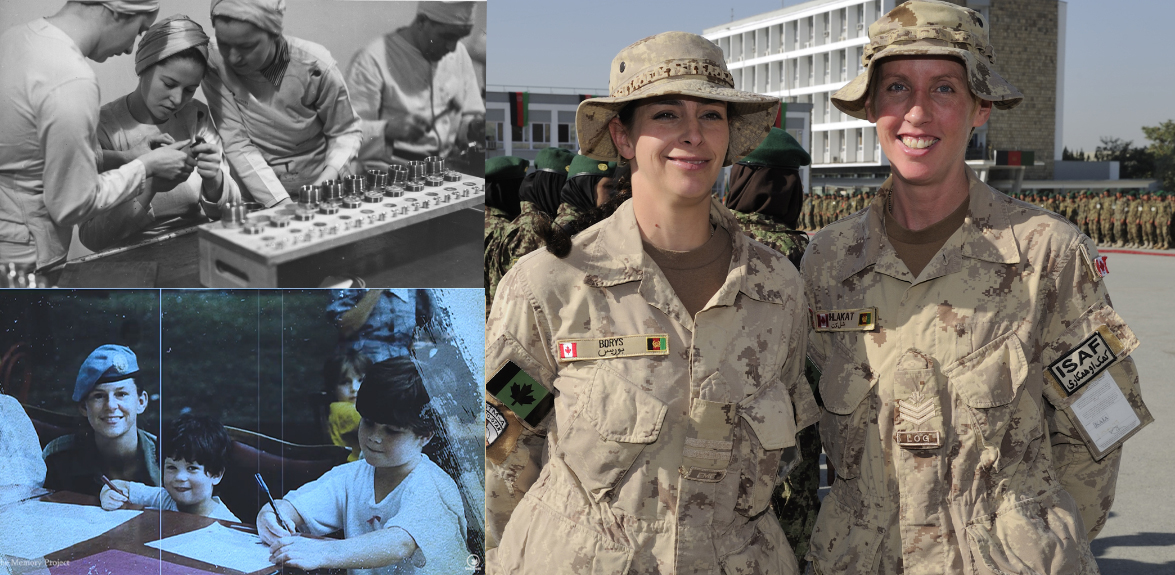
The story of women in the Canadian Armed Forces (CAF) is one of resilience, dedication, and continual progress. From the earliest days of Canadian military history to present-day leadership roles, women have played a vital part in the country’s defense and security. This article explores the contributions of women to the CAF, highlighting major milestones and the evolving roles women have occupied over time.
Early Involvement: Pre-World War I
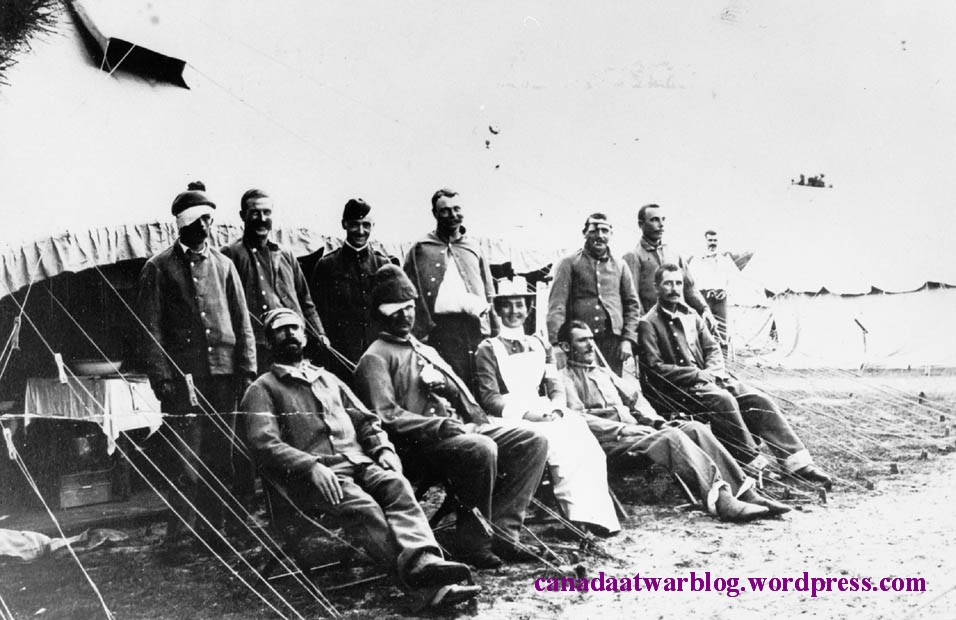
Before the outbreak of World War I, women were not permitted to officially serve in the military. However, their contributions were significant in support roles, particularly as nurses during the Boer War (1899–1902). Nurses, often referred to as “Nursing Sisters,” provided critical care to wounded soldiers, paving the way for future integration into military service.
World War I: The Nursing Sisters
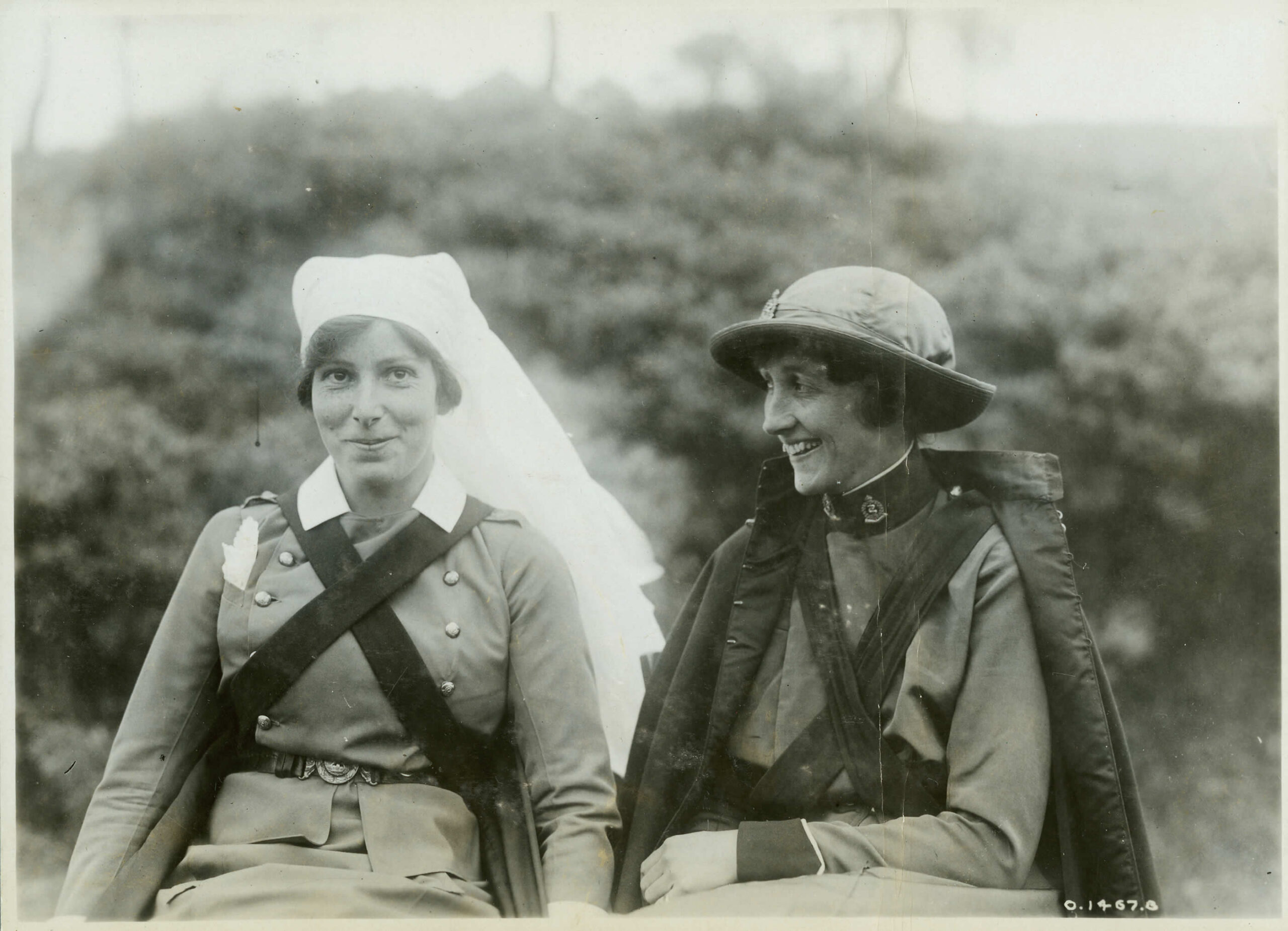
During World War I (1914–1918), over 3,000 Canadian women served as Nursing Sisters with the Canadian Army Medical Corps. These women were among the first in the world to hold officer rank, and their courage under fire earned them national recognition. They provided crucial medical support on the front lines and in field hospitals, often working under dangerous and harsh conditions.
World War II: Expanding Roles
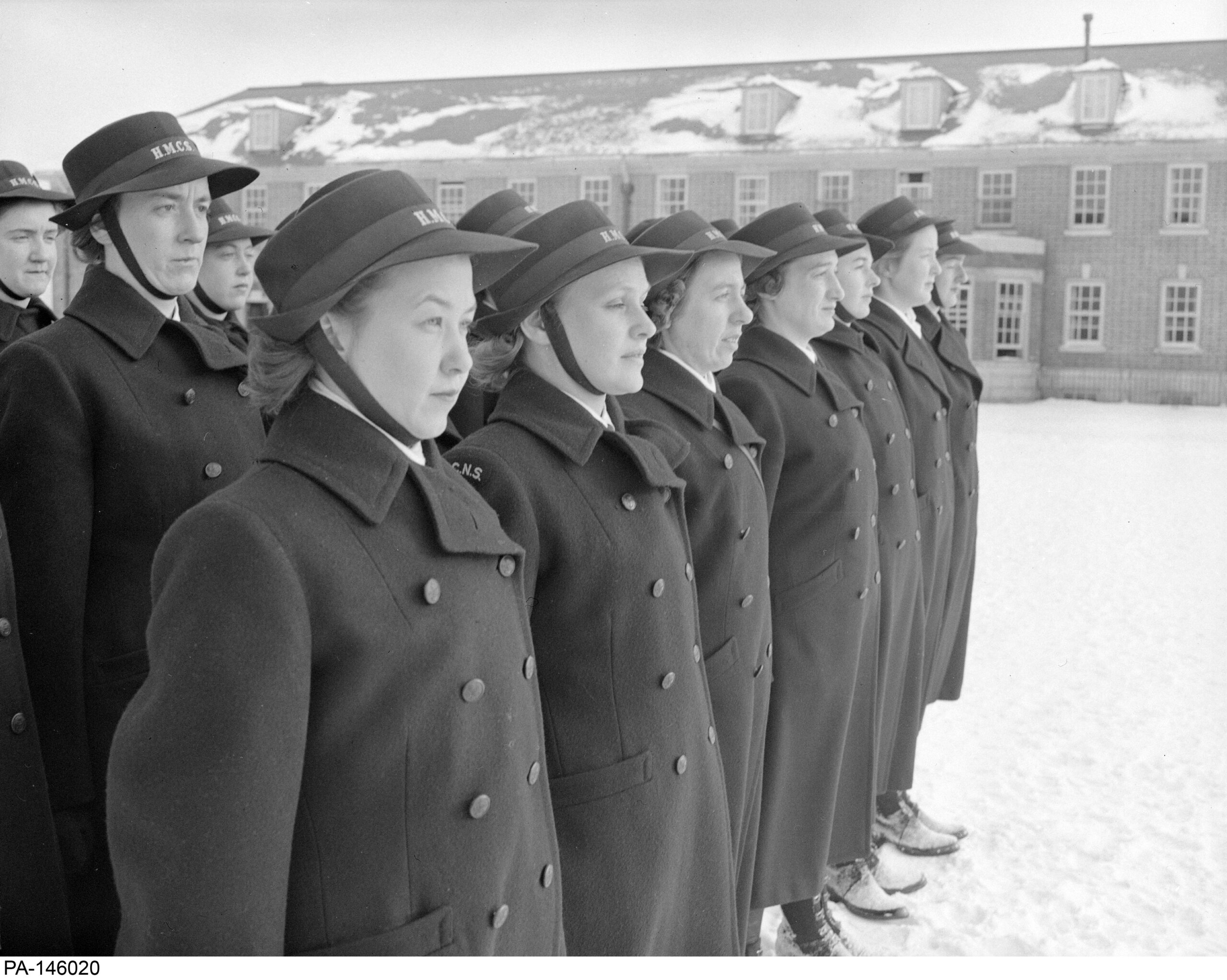
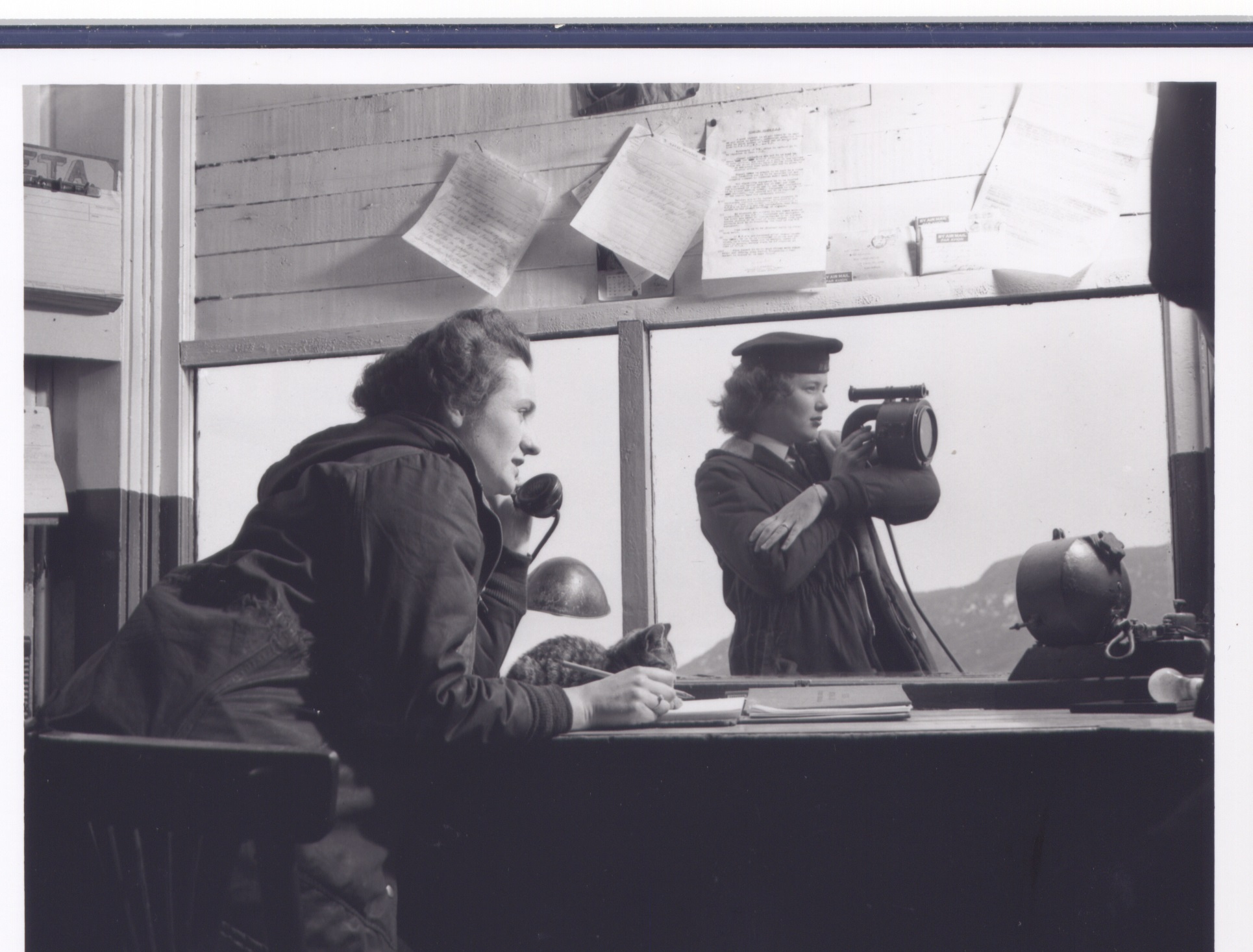
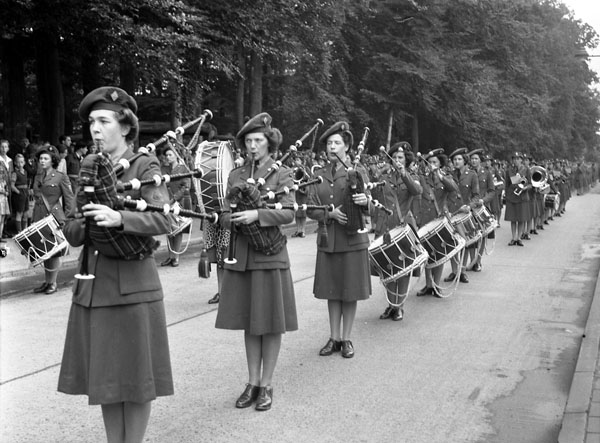
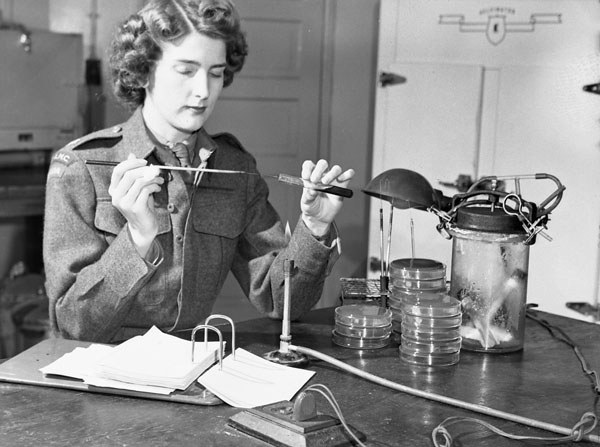
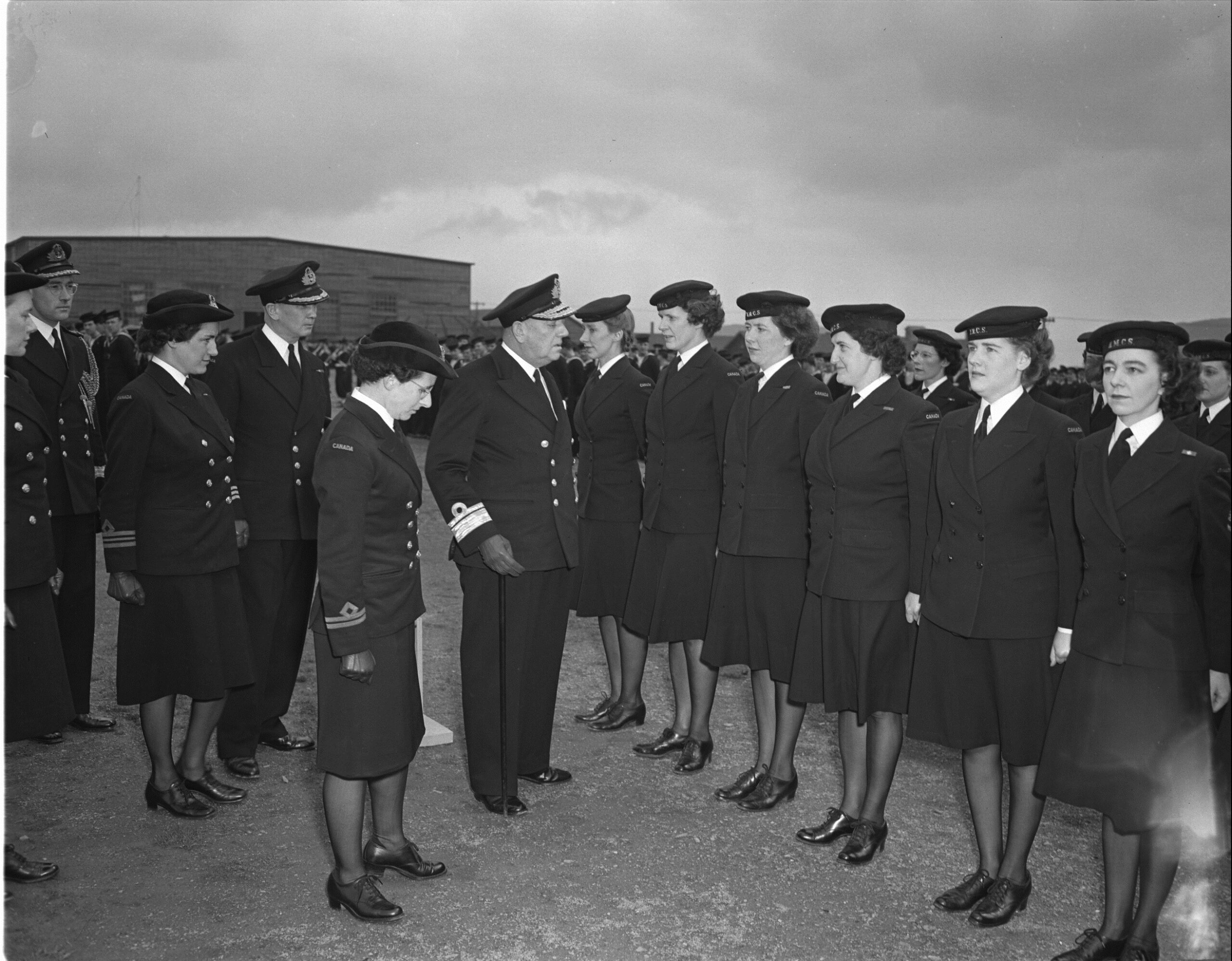
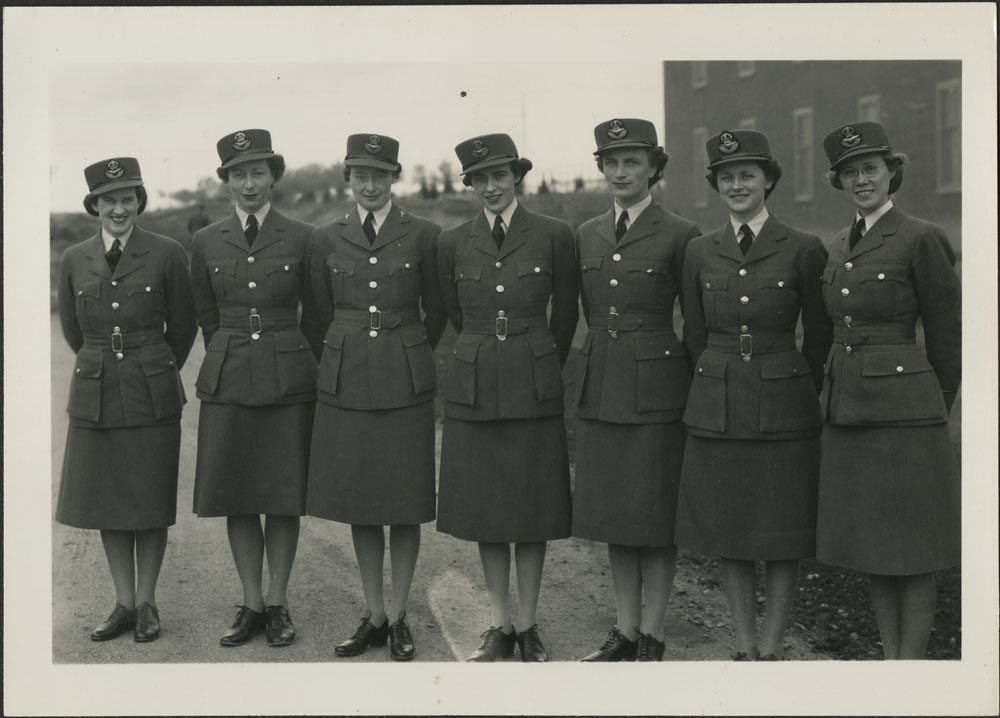
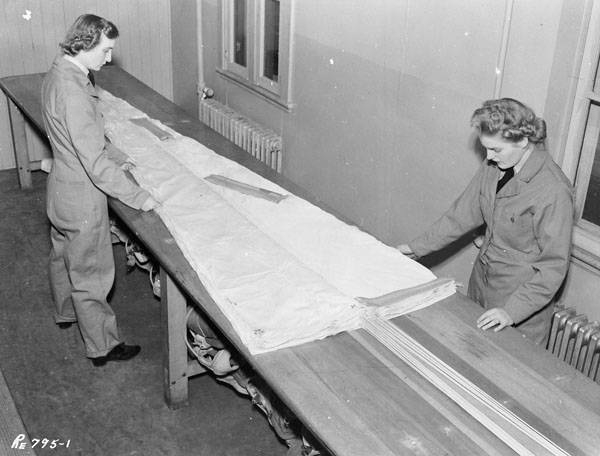
The outbreak of World War II (1939–1945) marked a turning point for women in the Canadian military. The urgent need for personnel led to the creation of the Canadian Women’s Army Corps (CWAC), the Royal Canadian Air Force (Women’s Division), and the Women’s Royal Canadian Naval Service (WRCNS). Over 50,000 women served in these branches, taking on roles such as clerks, mechanics, drivers, and communications specialists. This era saw women performing tasks that were previously restricted to men, demonstrating their capabilities and challenging gender stereotypes.
Post-War Period and the Cold War
After World War II, many women were discharged from military service as men returned home. However, the post-war period saw continued advocacy for women’s inclusion. In 1951, the Canadian government permitted the re-enlistment of women in non-combatant roles during peacetime. By the 1960s and 1970s, women began to occupy more technical and administrative positions in the regular and reserve forces.
The Move Toward Equality: 1970s–1980s
The 1970s and 1980s were pivotal decades for women in the CAF. The Canadian Human Rights Act of 1977 and the Charter of Rights and Freedoms in 1982 played crucial roles in challenging discriminatory practices.
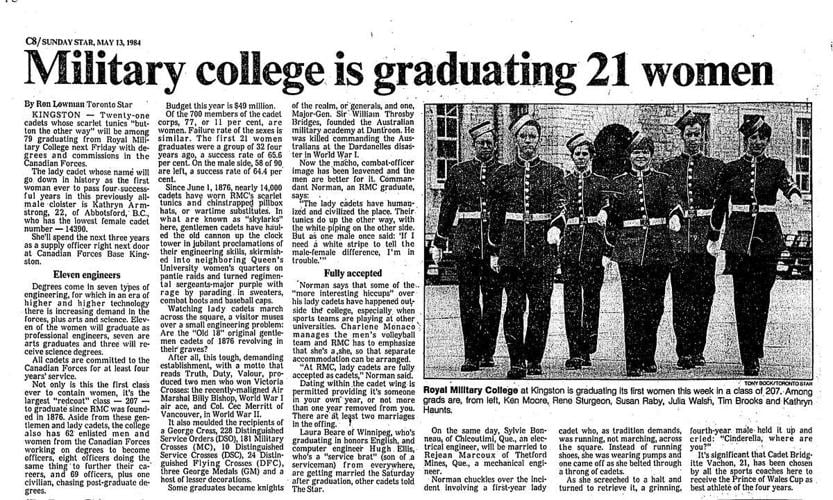
In 1980, thirty-two pioneering women—known as “The First Thirty-Two”—became the first female officer cadets to enter the Royal Military College of Canada (RMC), marking a historic shift in Canadian military education. These trailblazers stepped into a predominantly male environment, facing skepticism, harassment, and the challenge of proving they belonged in a system not designed for them. Despite these obstacles, their resilience and determination paved the way for future generations.
In 1989, the CAF opened all military trades and occupations, including combat roles, to women—making Canada one of the first countries to do so.
Recent Decades: Leadership and Operations
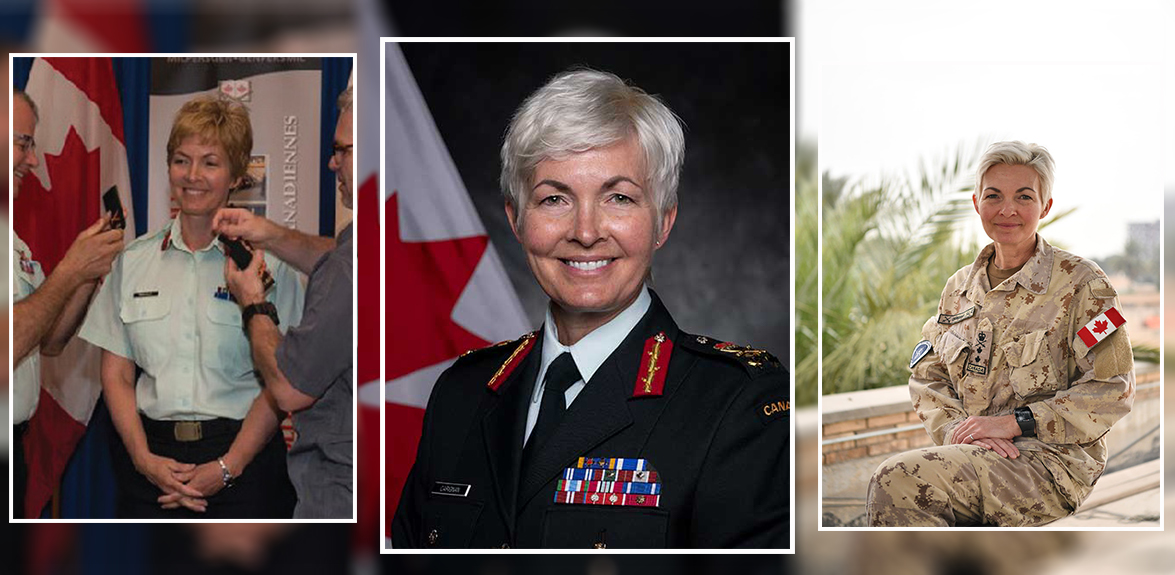
Since the 1990s, women have continued to break barriers in the CAF. They have served in combat operations in Afghanistan, peacekeeping missions worldwide, and taken on leadership roles at all levels. In 2000, Lieutenant Colonel Karen McCrimmon became the first woman to command a Canadian Forces flying squadron. In 2011, Brigadier-General Jennie Carignan became the first female combat arms general in Canada. Women now serve as pilots, engineers, infantry officers, and in many other capacities, contributing to a more diverse and effective military.
Timeline of Significant Milestones
- 1885: First women serve as nurses in the North-West Rebellion.
- 1914–1918: Over 3,000 women serve as Nursing Sisters in World War I.
- 1939–1945: More than 50,000 women serve in the Canadian Army, Navy, and Air Force during World War II.
- 1951: Women are permitted to join the regular forces during peacetime.
- 1979: First female cadets admitted to the Royal Military College of Canada.
- 1989: All military occupations, including combat roles, open to women.
- 2000: First woman commands a Canadian Forces flying squadron.
- 2011: First woman appointed as a combat arms general.
- Present: Women serve in all branches and roles, including leadership positions.
The contributions of women to the Canadian Armed Forces are both historic and ongoing. Their journey from support roles to leadership and combat positions illustrates the progress toward equality and the vital importance of diversity within the military. As the CAF continues to evolve, women remain at the forefront, shaping the future of Canada’s defense and security.
Editors note the video below was produced 6 years ago and ranks and positions for some members in this video have changed: