Honouring Sacrifice
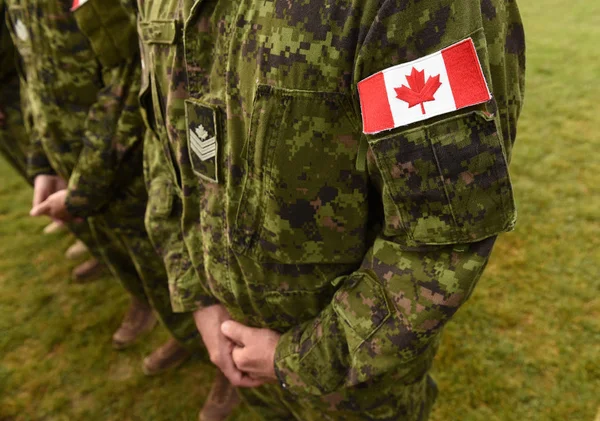
Canada’s military history is marked by profound sacrifice. Over 2.3 million Canadians have served in the military, with more than 118,000 making the ultimate sacrifice. These numbers reflect not only those lost in battle but also the enduring impact on families and communities. The tradition of remembrance, such as the Silver Cross Mother placing a wreath at the National War Memorial, symbolizes the personal loss and collective memory that shapes our nation.
Types of Trauma Experienced by Canadian Veterans
Psychological Trauma
Canadian veterans face a range of psychological traumas, most notably Post-Traumatic Stress Disorder (PTSD). PTSD is a chronic condition that can develop after exposure to life-threatening events, combat, or witnessing the loss of comrades. Symptoms include intrusive memories, avoidance, heightened arousal, depression, anxiety, and substance abuse. Studies estimate that up to 10% of Canadian war zone veterans will experience chronic PTSD, while many more will face related symptoms.
Military sexual trauma (MST) is another significant issue, with survivor-led programs now addressing the unique needs of those affected. The Canadian Armed Forces have recognized the need for survivor perspectives in training and support, aiming to foster cultural change and minimize long-term mental health injury.
Physical and Social Trauma
Beyond psychological wounds, veterans may suffer physical injuries, chronic pain, and disabilities. Social trauma includes isolation, difficulty reintegrating into civilian life, and strained family relationships. Many veterans report challenges in transitioning from the regimented structure of military service to the unpredictability of civilian life, often feeling like strangers in their own communities.
Intergenerational and Partner Trauma
The impact of trauma extends to families and partners, who may experience secondary traumatic stress. Partners often become caregivers, facing emotional and practical challenges, and may themselves develop symptoms akin to PTSD.
Resources Supporting Canadian Veterans
Government and Clinical Support
- Veterans Affairs Canada (VAC): Offers counselling services, peer support networks, OSI (Operational Stress Injury) clinics, and rehabilitation programs. VAC also provides mental health benefits and trauma-informed health and cultural support for Indigenous veterans.
- Federal Framework on PTSD: The Government of Canada has implemented a national framework to improve tracking, diagnosis, treatment, and management of PTSD, including funding for research and online therapy programs like PSPNET.
Peer and Community Support
- Wounded Warriors Canada: A national mental health service provider offering culturally informed counselling, education, and resiliency programs for trauma-exposed professionals and their families.
- Atlas Institute for Veterans and Families: Provides evidence-based information, peer support, and resources to reduce stigma and improve mental health care for veterans and their families.
- Veterans Transition Network: Offers veteran-to-veteran peer support, transition workshops, and coaching led by clinicians.
Specialized Programs
- Survivor Perspectives Consulting Group: Delivers survivor-borne training to address sexual misconduct and support victims within the Canadian Armed Forces.
- EHN Canada: Provides trauma-informed care, including residential and virtual programs for PTSD, depression, anxiety, and addiction, often covered by VAC benefits.
Community and Hospital-Based Services
- CAMH and Local Centres: Offer group therapy, trauma-informed care, and support for diverse populations, including Indigenous veterans and survivors of sexual violence.
Moving Forward
The sacrifices of Canadian military personnel are not confined to the battlefield. They manifest in the enduring psychological, physical, and social challenges faced by veterans and their families. Canada’s evolving approach—grounded in research, survivor perspectives, and comprehensive support networks—reflects a commitment to honouring these sacrifices and fostering resilience.
As we commemorate Veterans Week and reflect on the cost of freedom, it is vital to recognize not only the courage of those who served but also the ongoing journey of healing and support that defines the Canadian military experience.