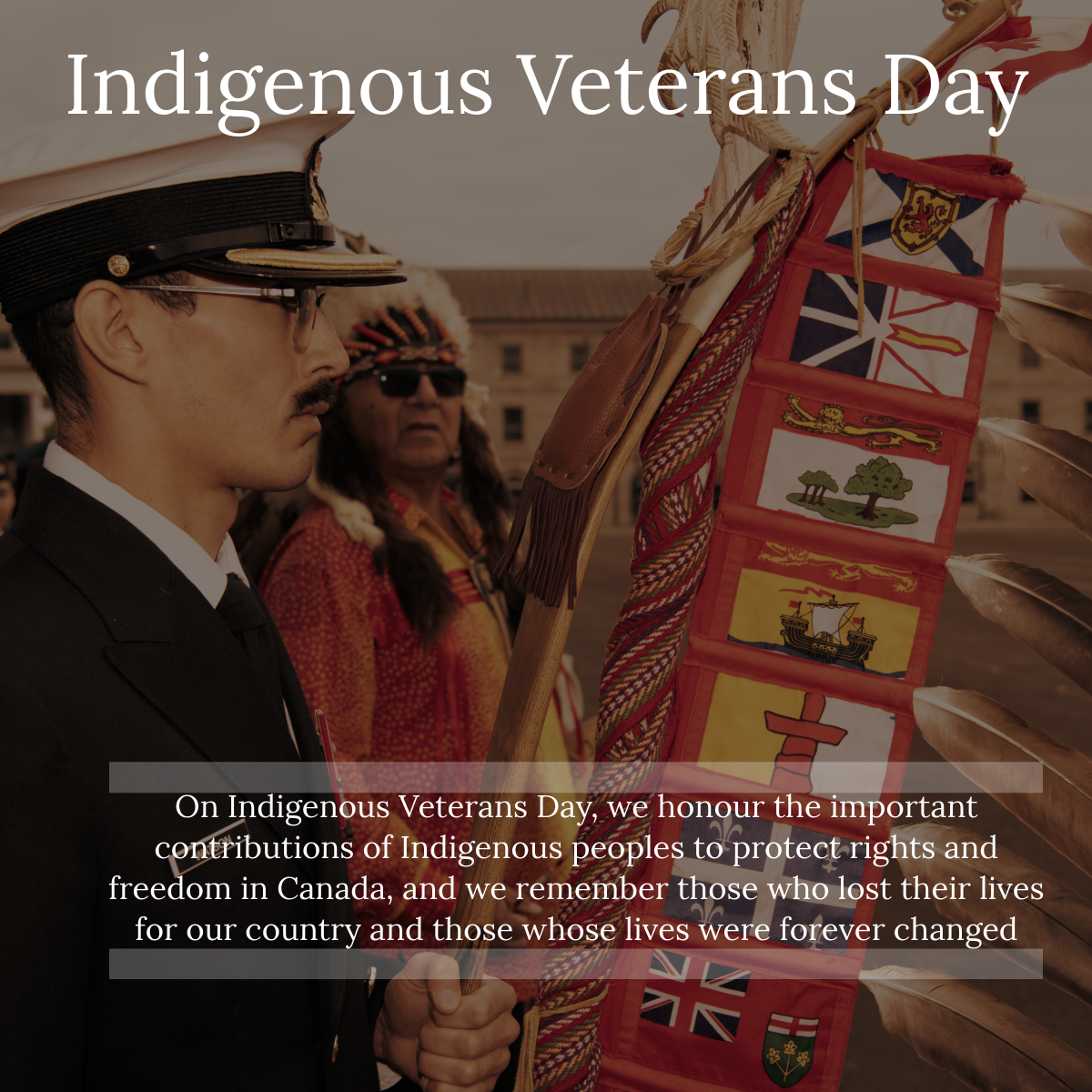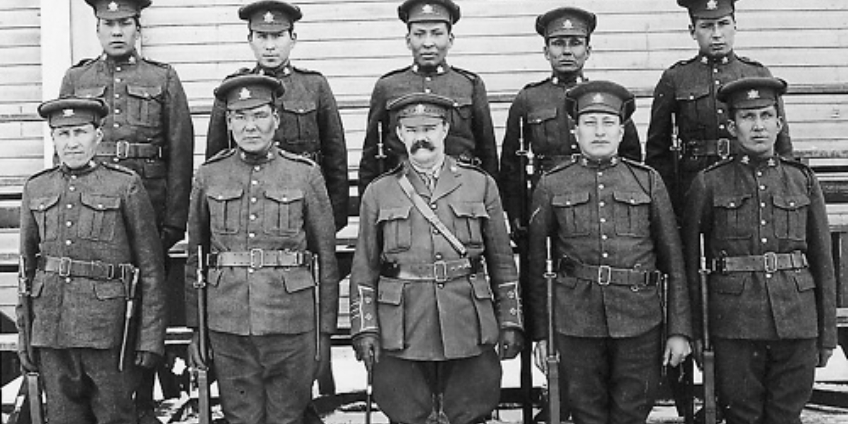
Throughout Canada’s history, Indigenous peoples have played a pivotal role in the country’s military conflicts, demonstrating courage, resilience, and a deep commitment to the defense of their homeland. From the earliest days of colonial struggle to modern-day missions overseas, Indigenous soldiers, nurses, and support personnel have served with distinction. This article explores the significance of Canadian Indigenous peoples in Canada’s wars and highlights their invaluable contributions and ongoing legacy.
Early Conflicts and Alliances
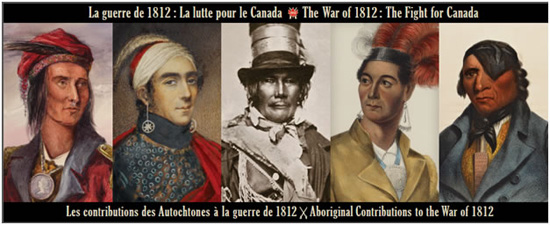
Indigenous nations were prominent participants in the major conflicts of pre-Confederation Canada. During the Seven Years’ War (1756–1763), the War of 1812, and other colonial skirmishes, First Nations warriors and leaders formed strategic alliances with both British and French forces. These alliances were crucial to the outcomes of these wars, as Indigenous knowledge of the land, superior tracking skills, and tactical expertise aided European armies in navigating Canada’s vast wilderness and fighting effectively against opposing forces.
World War I and World War II
Despite not being subject to conscription, more than 4,000 Indigenous men enlisted voluntarily in World War I. They served in various capacities, including as snipers, scouts, and infantrymen. Their exceptional marksmanship and tracking abilities were highly valued on the front lines. Many Indigenous soldiers earned medals for bravery and distinguished conduct, including Francis Pegahmagabow, the most decorated Indigenous soldier in Canadian history.
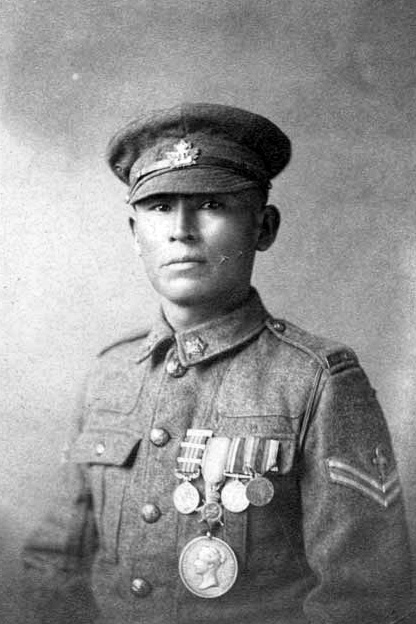
Francis Pegahmagabow was an Ojibwe soldier, politician and activist in Canada. He was the most highly decorated Indigenous soldier in Canadian military history and the most effective sniper of the First World War. Three times awarded the Military Medal and seriously wounded, he was an expert marksman and scout.
In World War II, over 3,000 Indigenous Canadians joined the military, with many more serving as support staff and nurses. Indigenous women, such as Edith Anderson Monture, contributed as nurses, providing essential care to wounded soldiers. The participation of Indigenous peoples extended beyond combat roles, as they also supported the war effort by raising funds, donating supplies, and working in war industries.
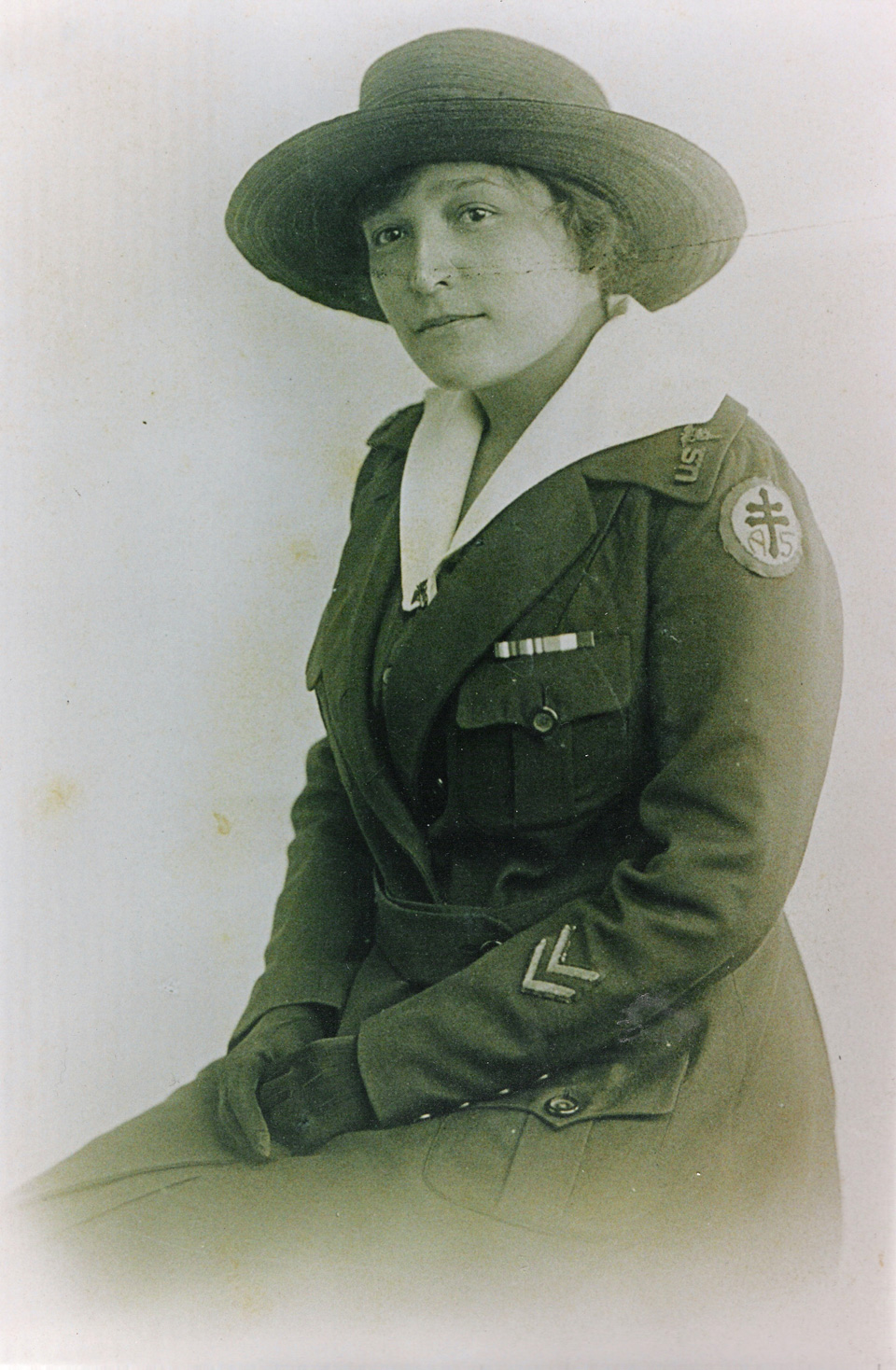
Edith Monture, she was a Mohawk First World War veteran and registered nurse.
Korean War and Peacekeeping Missions
Indigenous Canadians continued their legacy of service during the Korean War (1950–1953), with many volunteering for duty. Their contributions did not end with conventional warfare; Indigenous personnel have been involved in Canada’s peacekeeping missions in places like Cyprus, Bosnia, and Afghanistan, upholding Canada’s commitment to international peace and security.
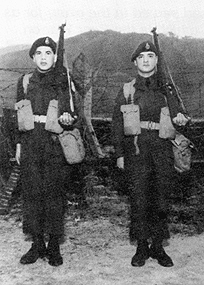
Pte. Lloyd Michon and Pte. Fred Young
Significance and Legacy
The service of Indigenous peoples in Canada’s wars carries profound significance. Their participation challenges stereotypes, demonstrates patriotism, and reflects a deep sense of duty to protect both their ancestral lands and the broader Canadian nation. Despite facing discrimination and limited recognition upon returning home, Indigenous veterans have shown remarkable resilience. In recent years, there has been growing acknowledgment of their sacrifices, with organizations and memorials dedicated to honouring Indigenous veterans.
Honouring Indigenous Veterans
Initiatives such as National Indigenous Veterans Day, celebrated annually on November 8, and commemorative monuments serve as reminders of the invaluable contributions of Indigenous peoples to Canada’s military history. These efforts help to educate Canadians about the bravery and sacrifices of Indigenous veterans and promote reconciliation and respect.
Canadian Indigenous peoples have served with honour and distinction in every major conflict in the nation’s history, from early colonial wars to contemporary peacekeeping operations. Their legacy is one of courage, sacrifice, and enduring commitment to Canada. Recognizing and honoring their service is essential to understanding the full scope of Canada’s military history and the diverse fabric of its society.