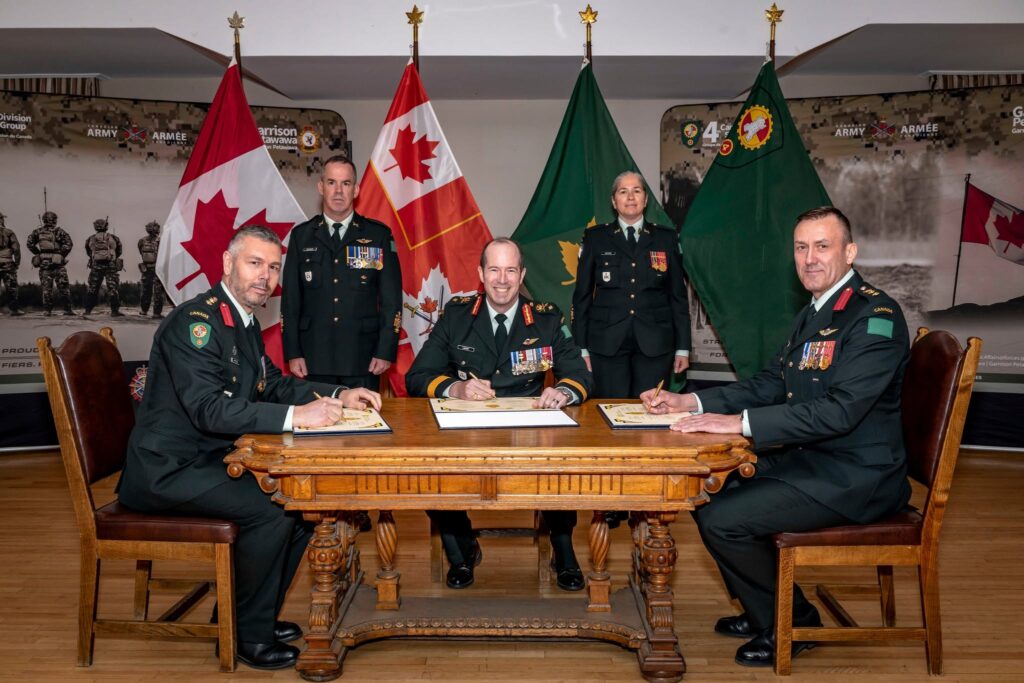
 The 4th Canadian Division Support Group change of command from, Col S.D.C. Trenholm to Col Larocque, at the Normandy Officer’s Mess, at Garrison Petawawa, Petawawa Ontario, June 11, 2026- Photo by Sgt Aydyn Neifer, Petawawa Garrison Imaging.
Le jeudi 11 juin, le commandement du 4e Groupe de soutien de la 4e Division du Canada a été officiellement transféré du colonel (Col) Sean Trenholm au colonel (Col) Keven Larocque lors d’une cérémonie tenue au mess des officiers Normandy de la Garnison Petawawa.
La Garnison Petawawa tient à exprimer sa sincère reconnaissance au Col Trenholm pour son leadership et ses conseils, et souhaite la bienvenue au Col Larocque dans ses nouvelles fonctions. Nous lui souhaitons beaucoup de succès alors qu’il assume le commandement et nous guide vers la prochaine étape.
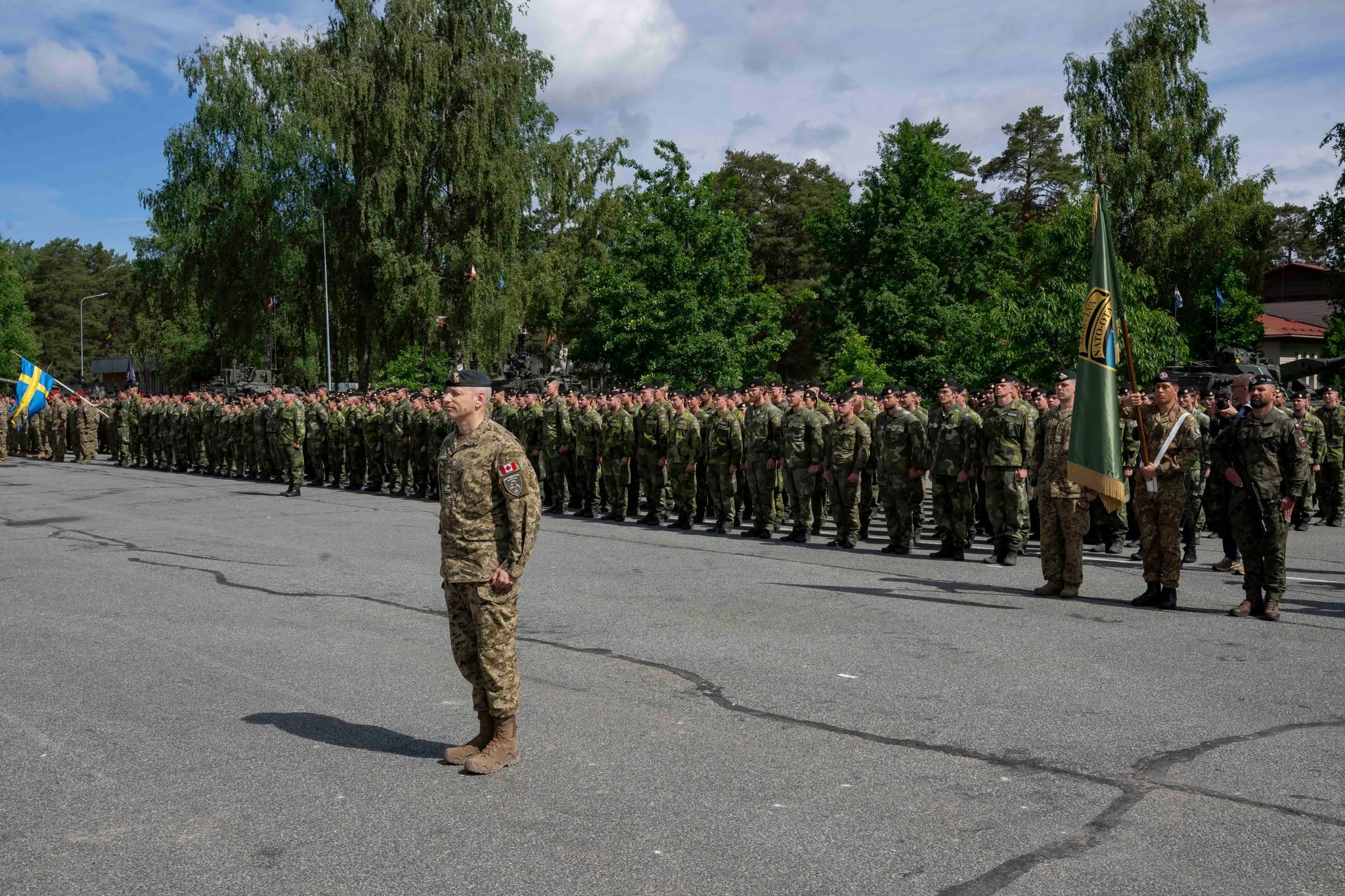
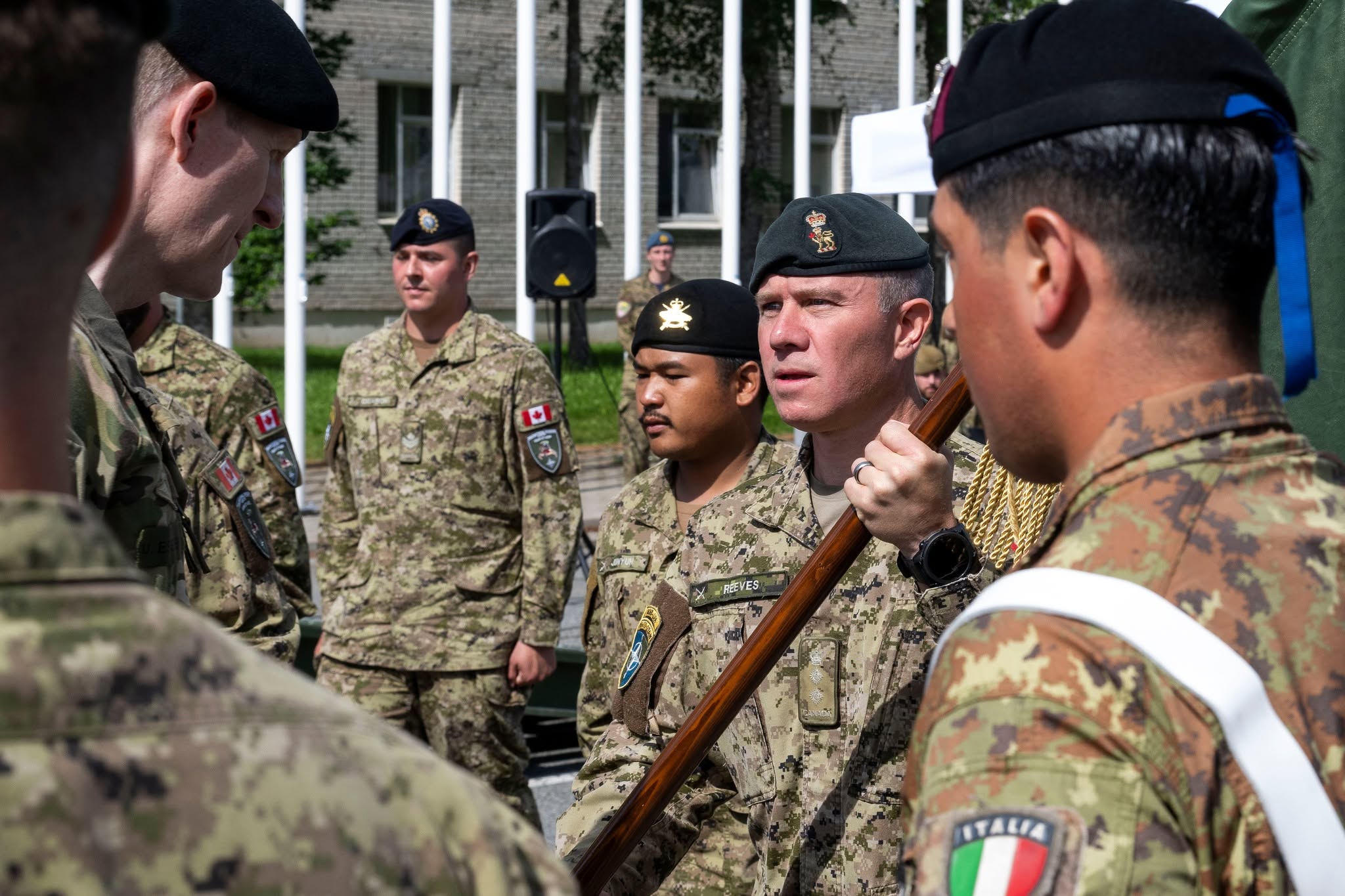
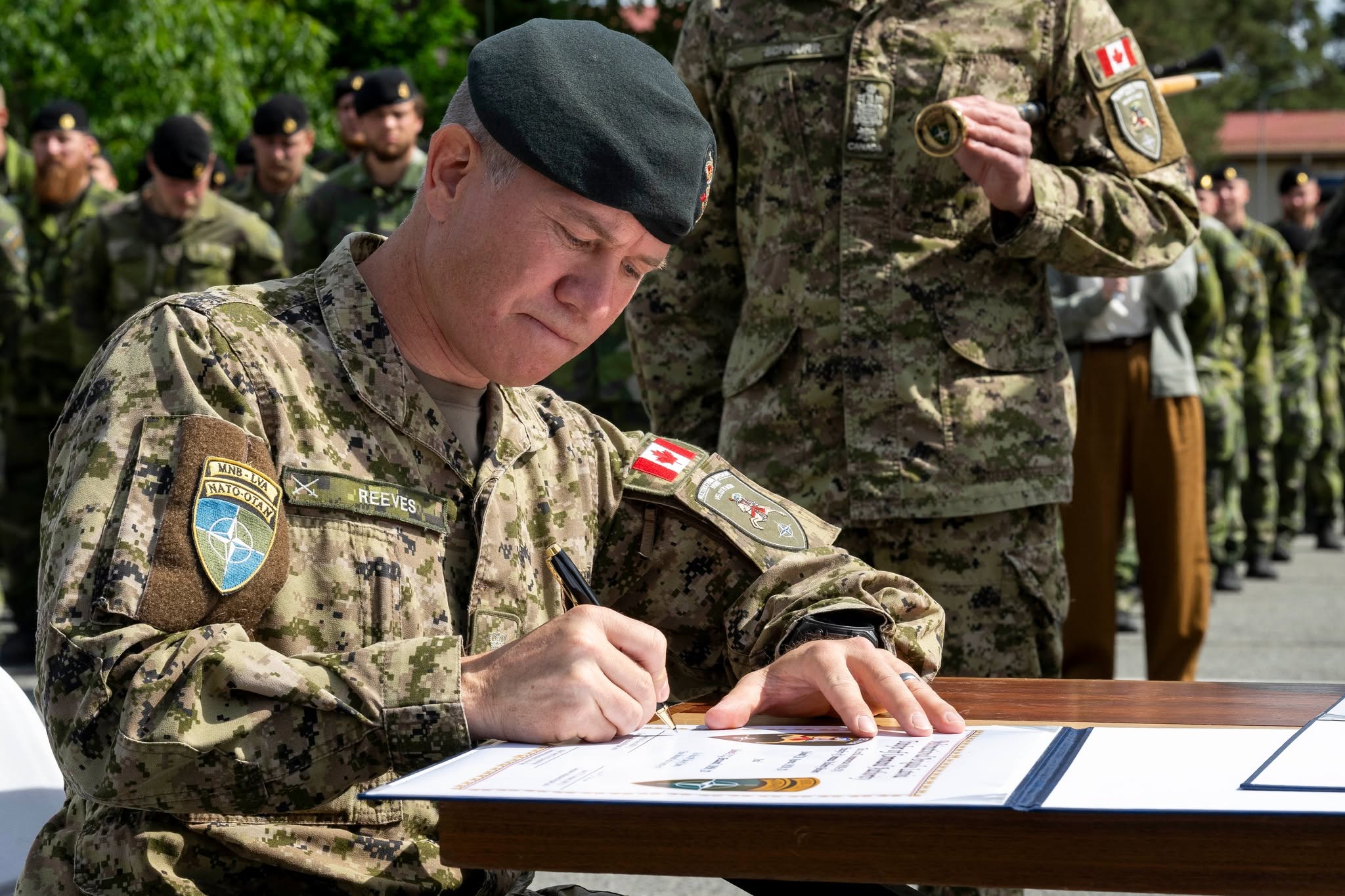
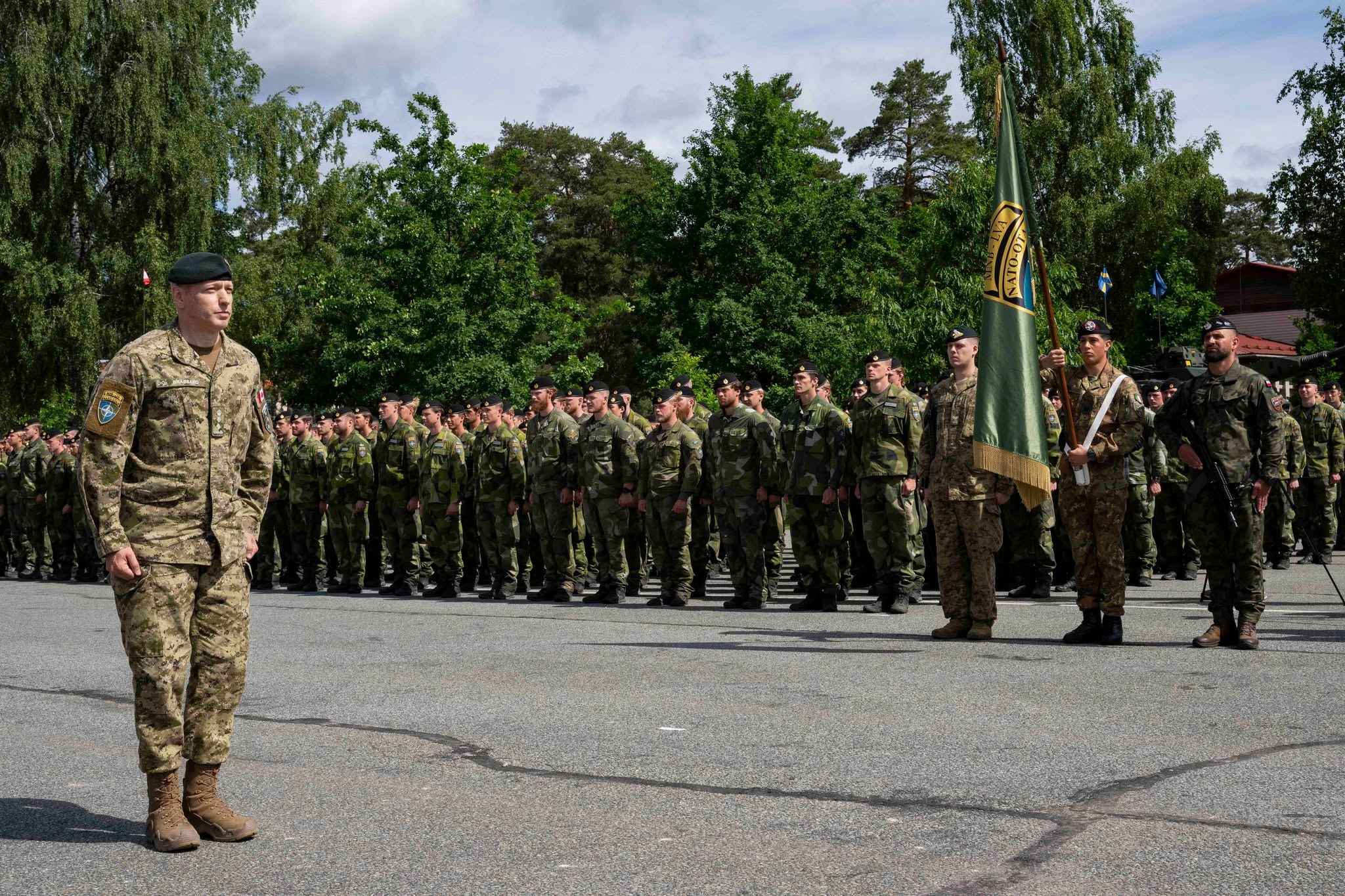
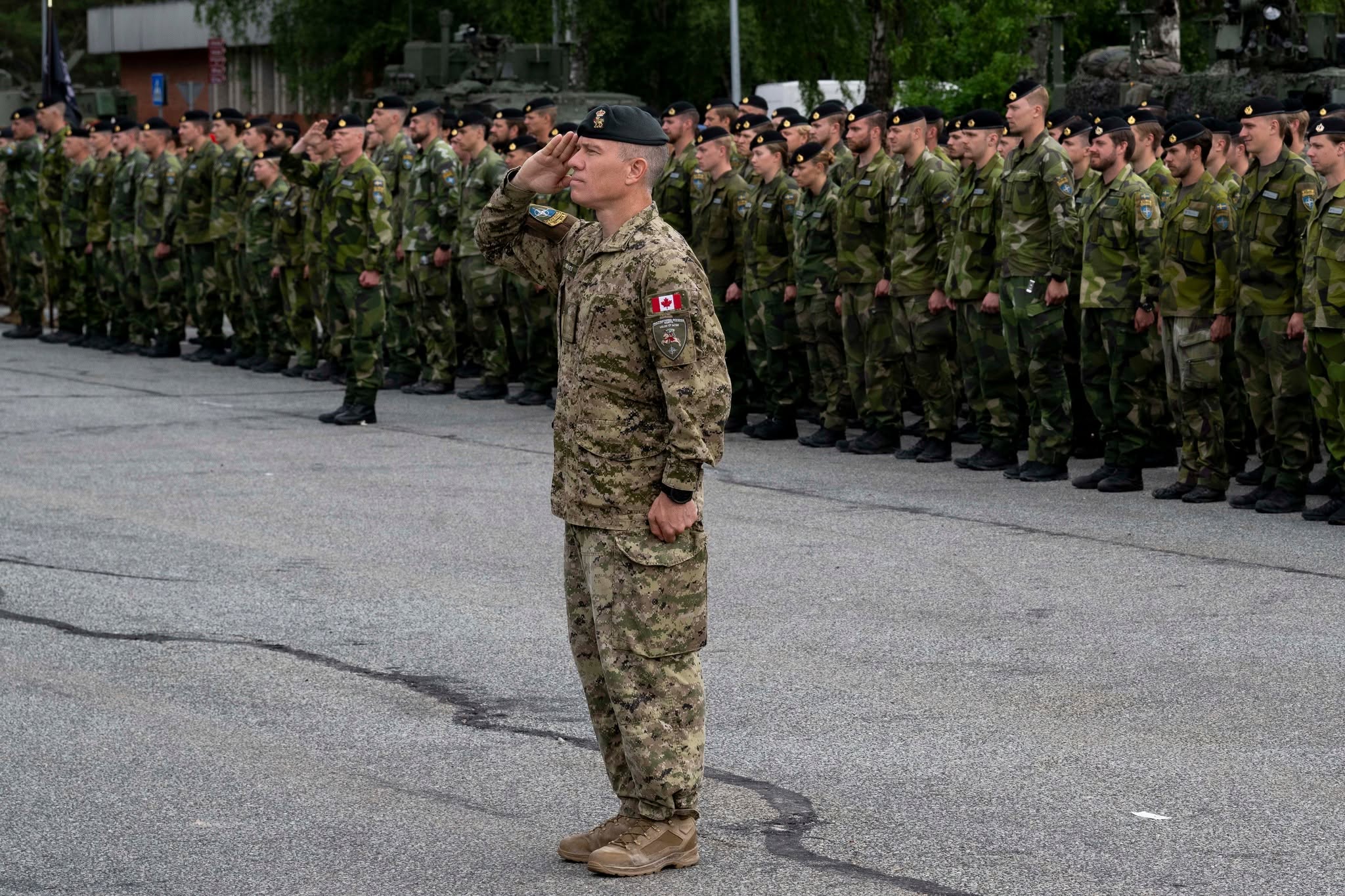
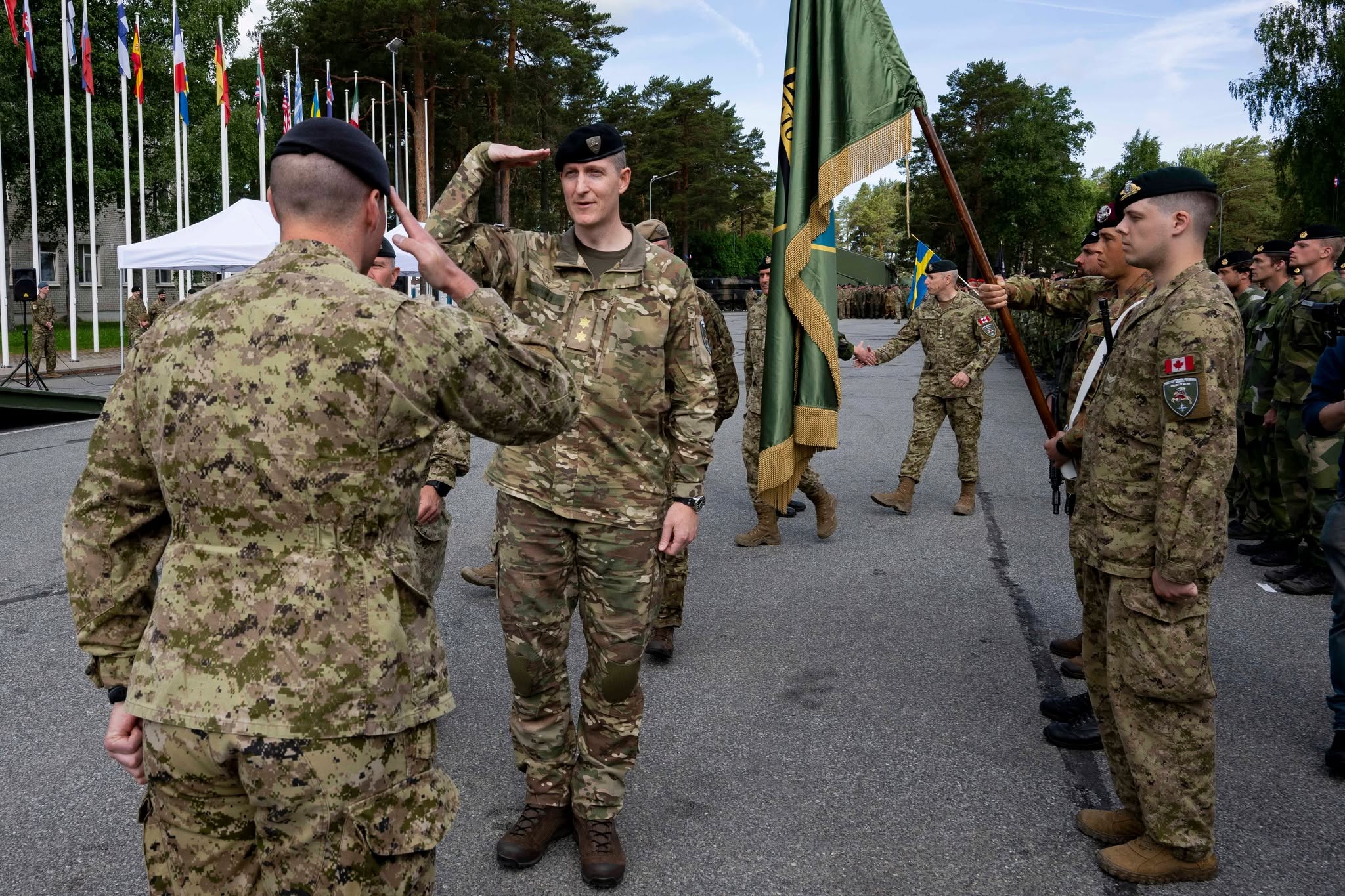
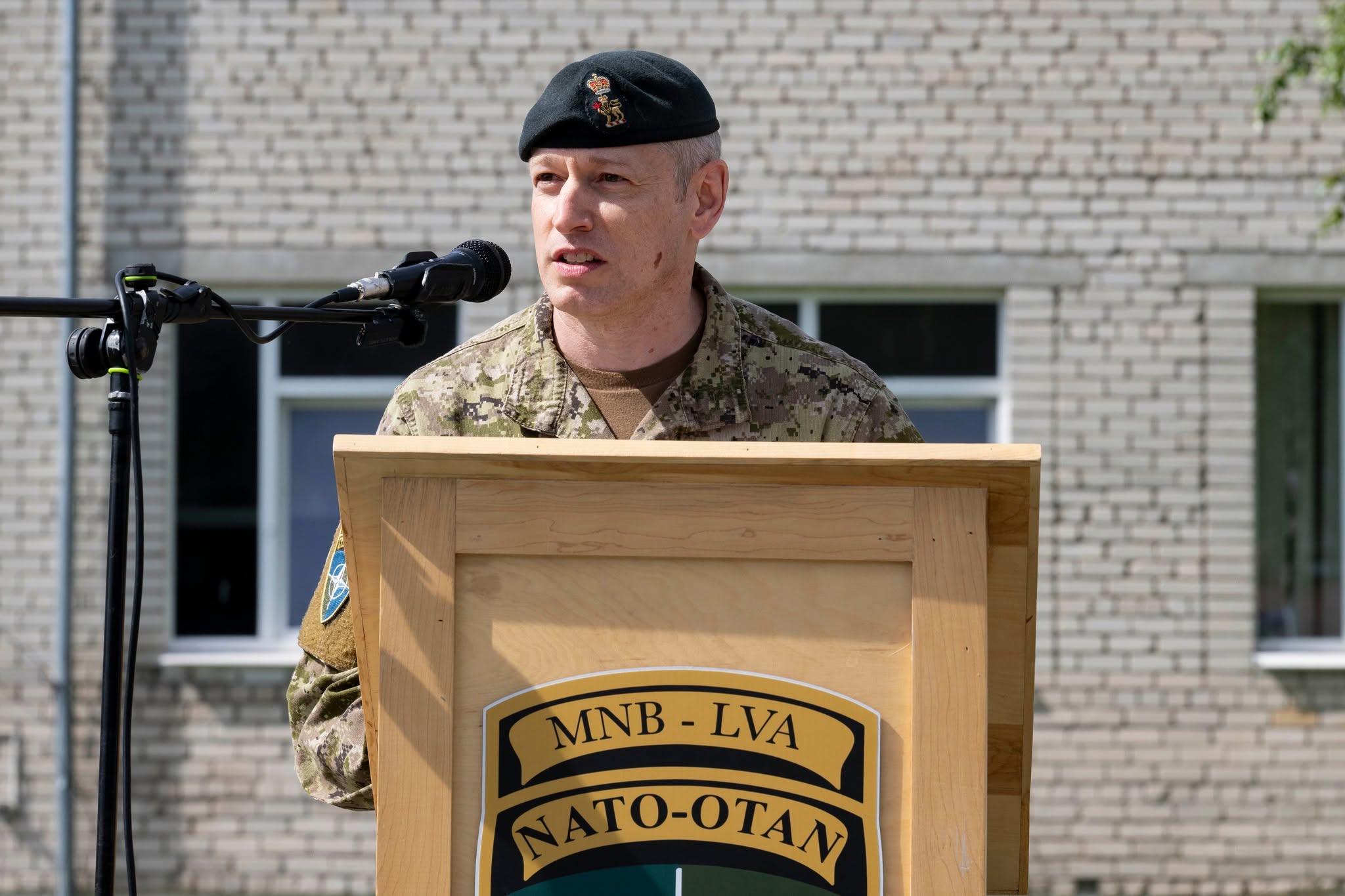
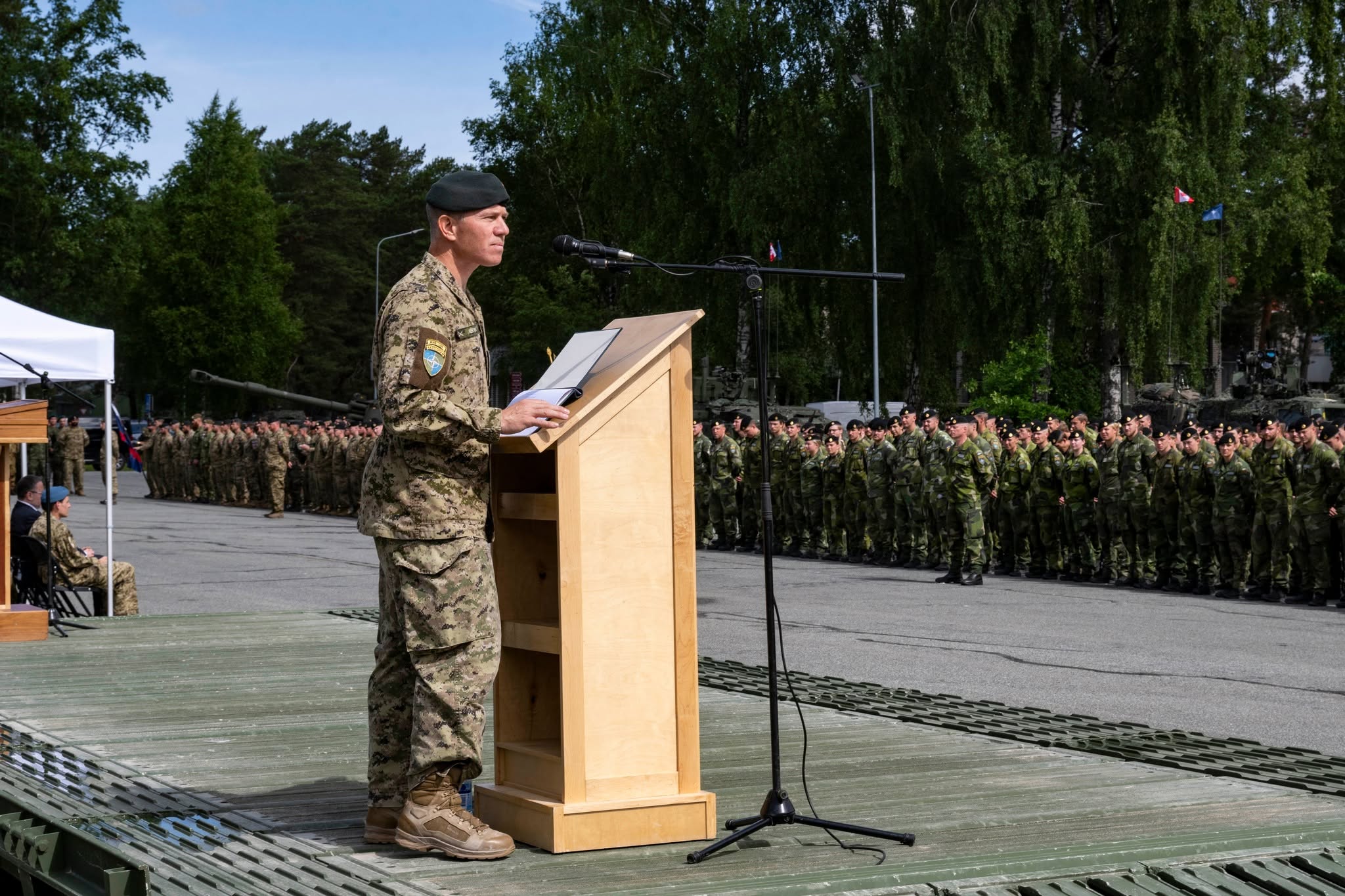
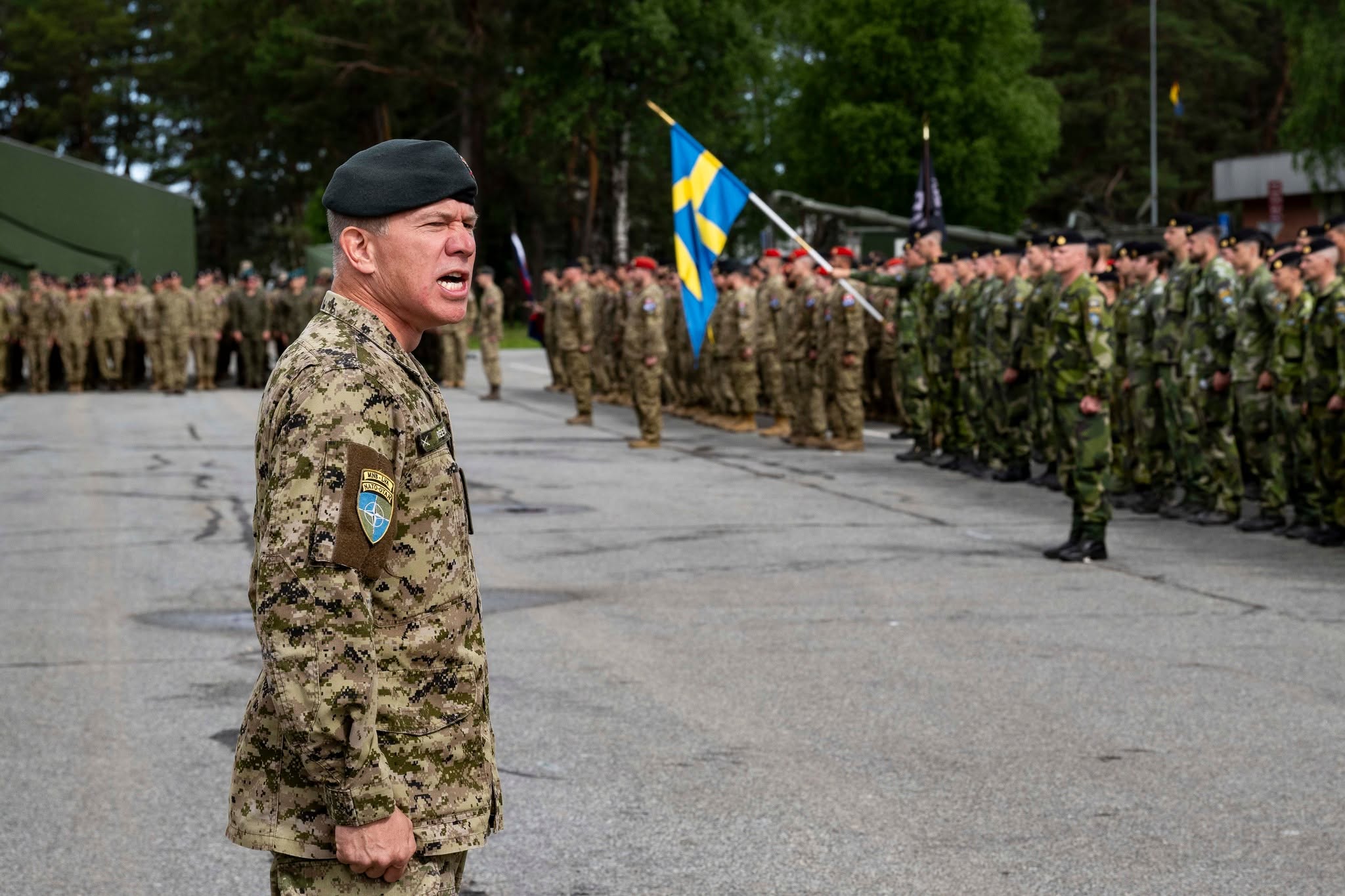
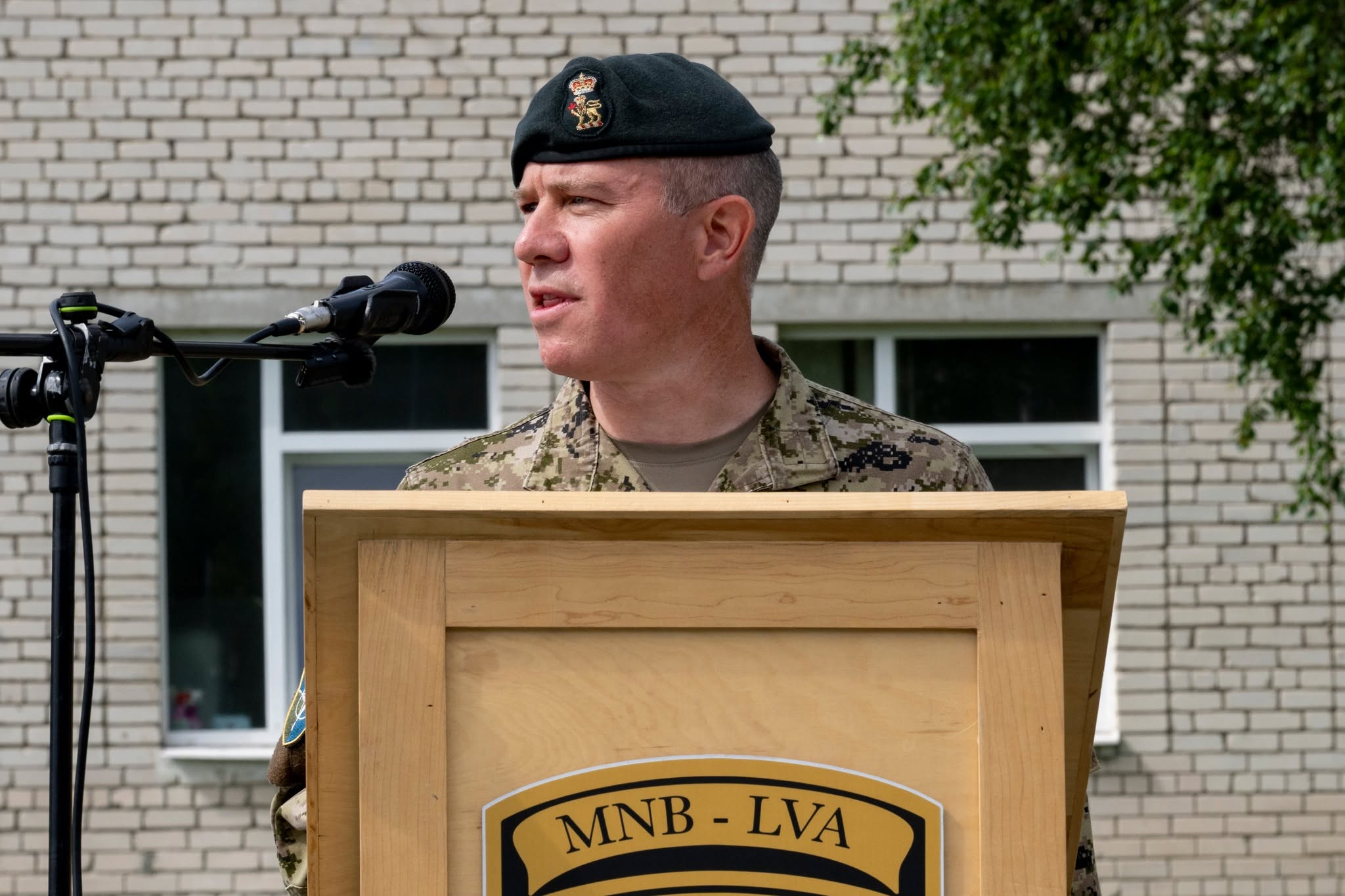
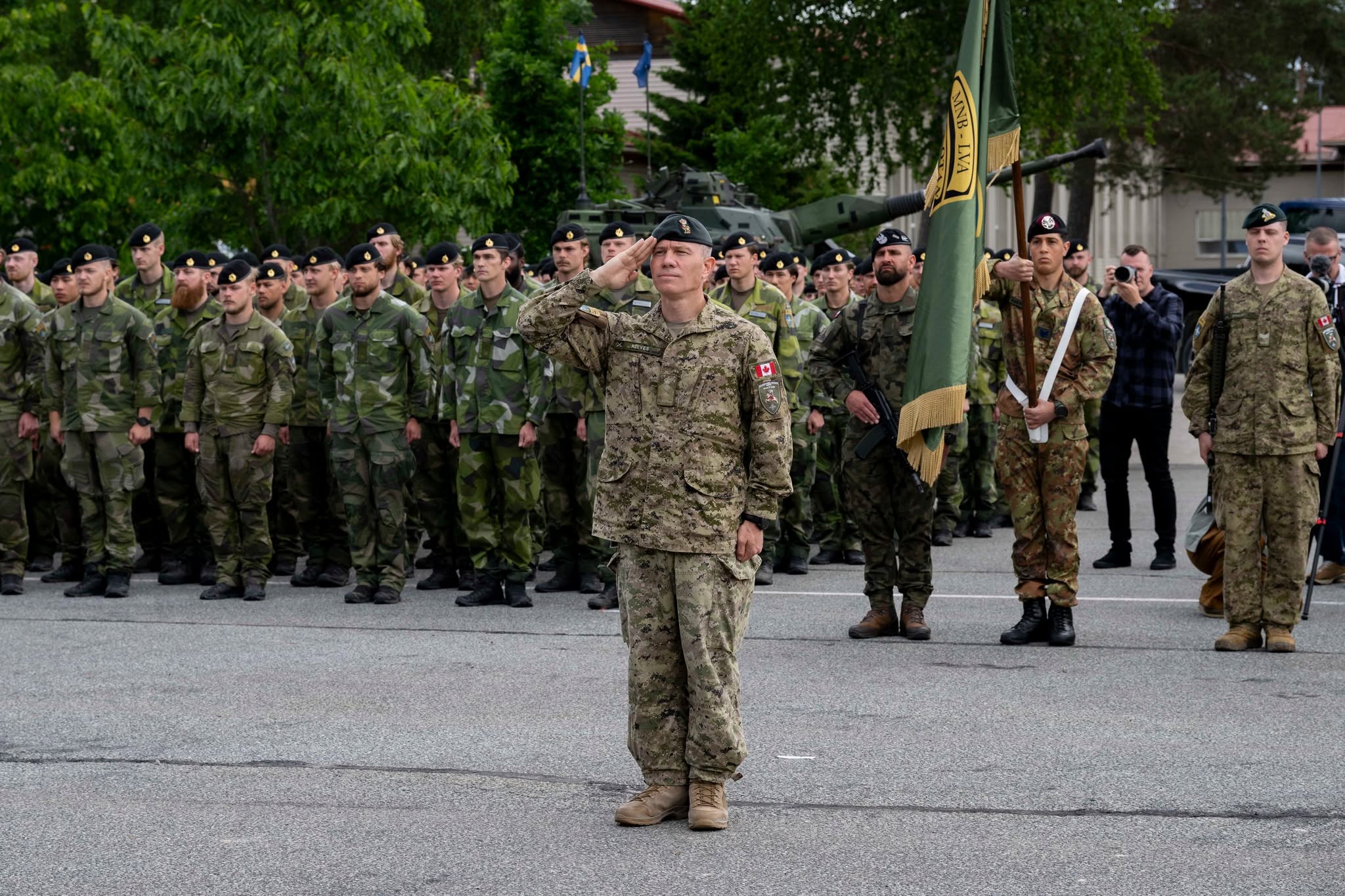
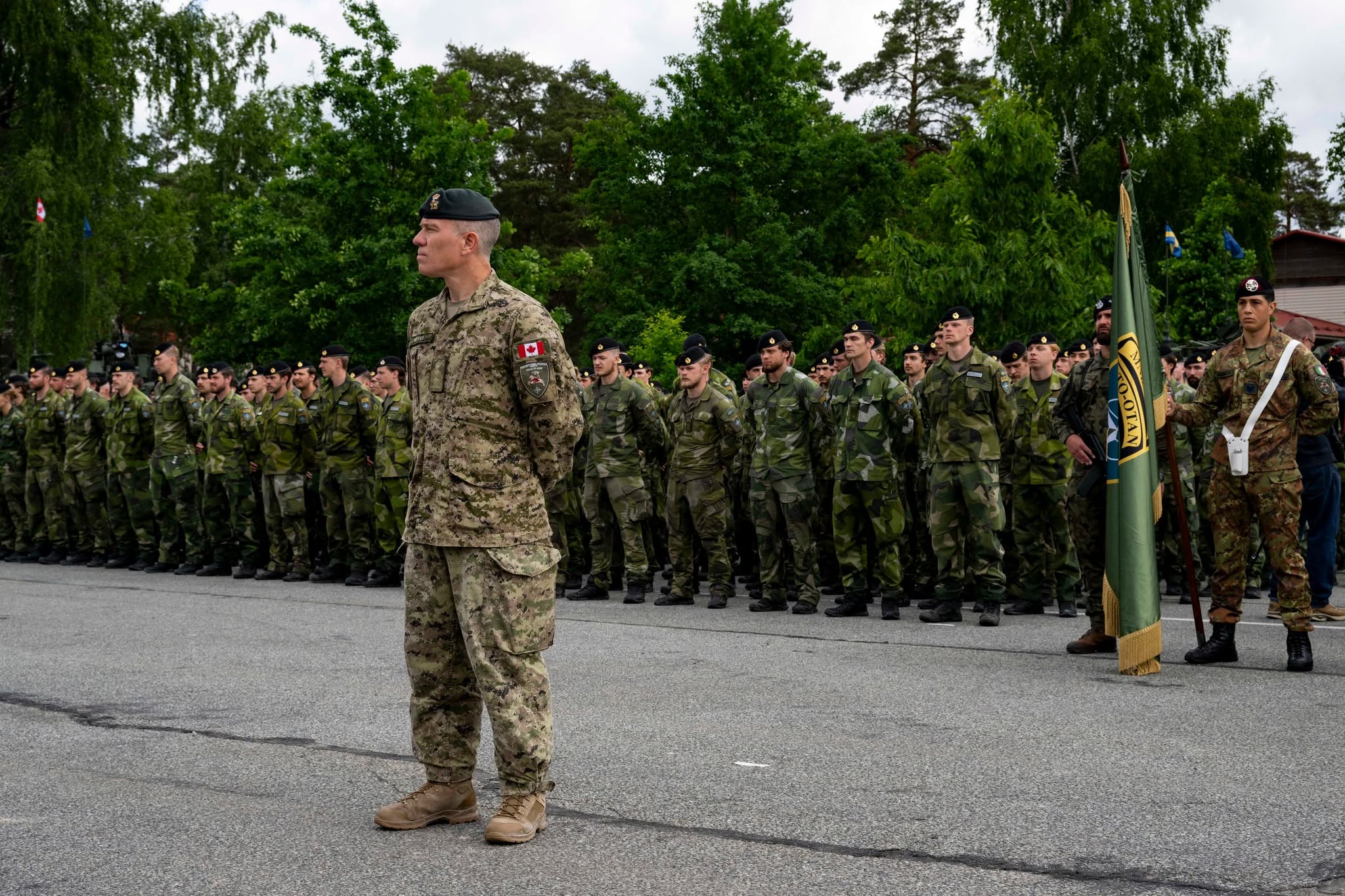
NATO Multinational Brigade Latvia held transfer of command at Camp Ādaži
NATO Multinational Brigade Latvia held a transfer of command ceremony at Camp Ādaži, recognizing the leadership of Colonel Kristopher Reeves RMC Class of 2001 and welcoming Colonel David Brassard, RMC 2000 as the brigade’s new commander.
The ceremony highlighted not only the formal handover of command, but also the soldiers, non-commissioned officers, officers, and staff whose daily service gives the brigade its strength.
“The strength of this brigade does not rest in one individual. It rests in you,” told Major General Ulrich Essemann-Beck, the NATO Multinational Division North Commander to the formation. “You give this brigade its strength, and you turn command and intent into operational effect.”
In his farewell remarks, Colonel Reeves reflected on a year defined by cohesion, sustainment, and projection across Latvia. He recalled the brigade’s intensive war-fighting rehearsals, including movement across locations from Jēkabpils and Daugavpils to Rēzekne, Gulbene, Krāslava, Valmiera, and Alūksne, alongside engagement with local communities and schools.
“We wanted to show them that not only was NATO here, but we were real,” Colonel Reeves said. “We’re a part of the interwoven fabric of the defense of Latvia, and we’re not going anywhere.”
Assuming command, Colonel Brassard reaffirmed the brigade’s readiness and commitment to collective defence.
“Together, we will ensure over the next year that any threat, any bear, that seeks to test our resolve, will find a force that is strong, united, and ready,” said Colonel Brassard.
As Colonel Brassard assumes command, NATO Multinational Brigade Latvia continues its mission as a strong, united, multinational formation; ready to deter, ready to defend, and ready to operate alongside Latvia and Allied partners.
Strong. United. Ready!
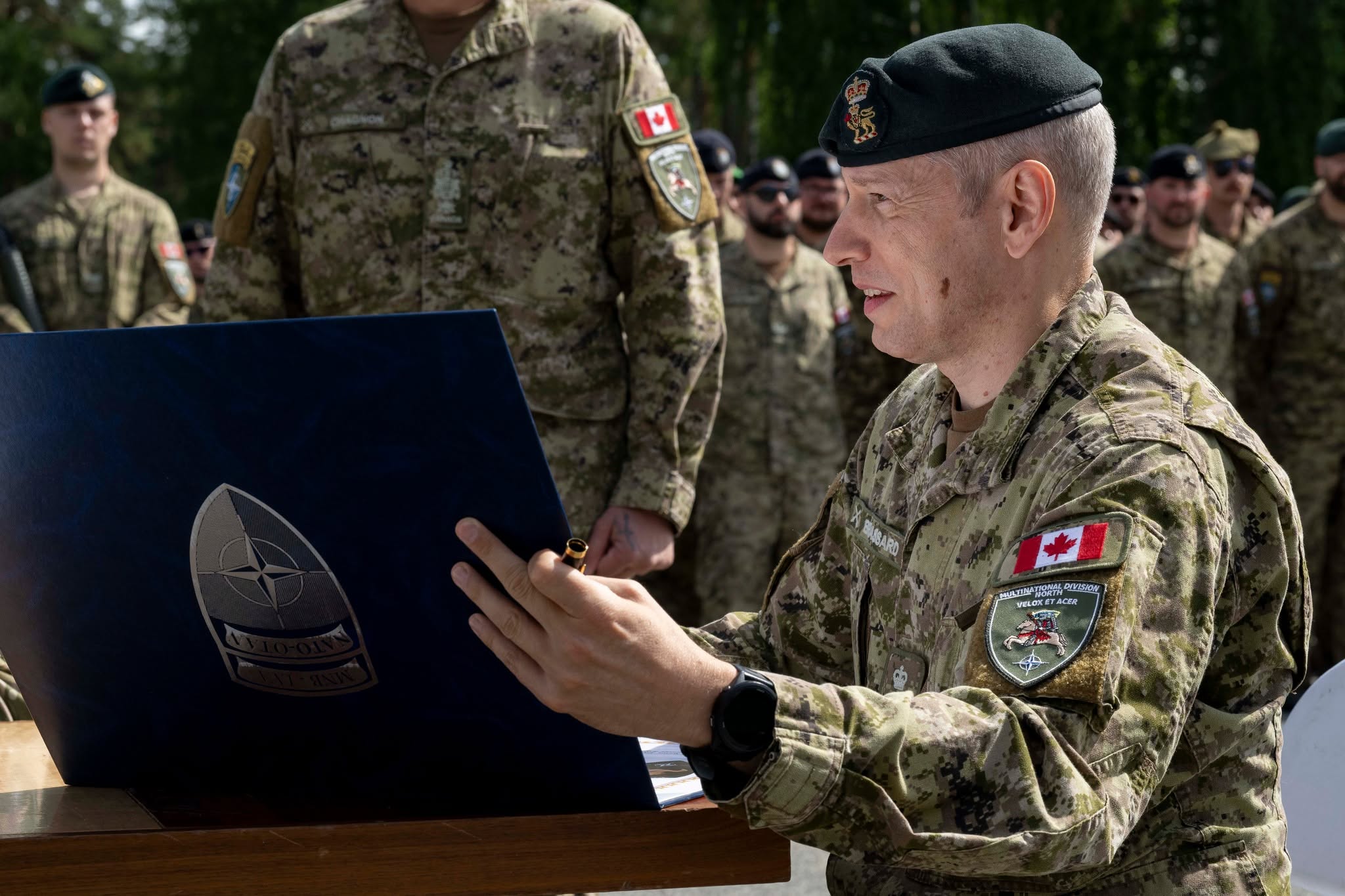
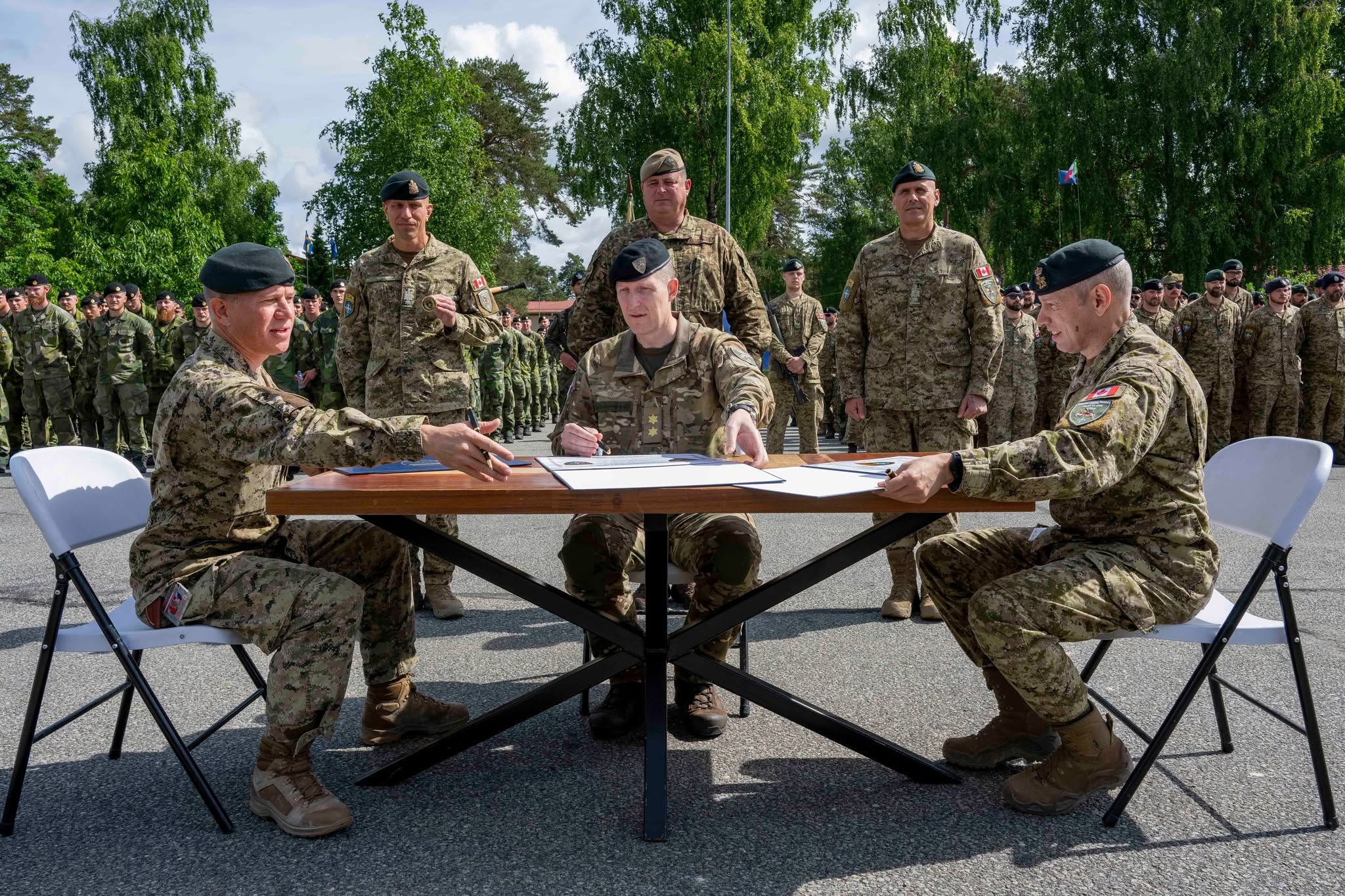
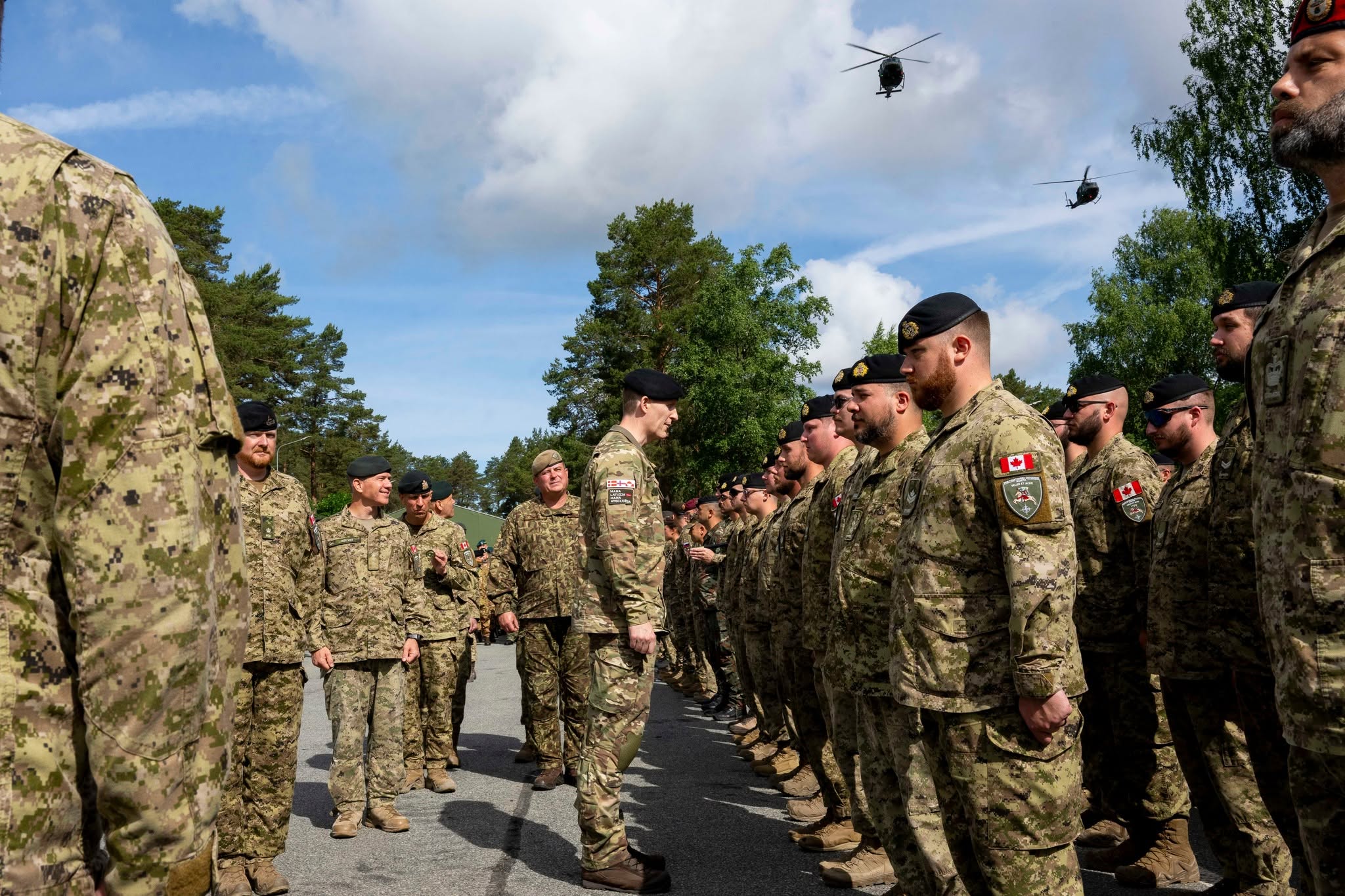
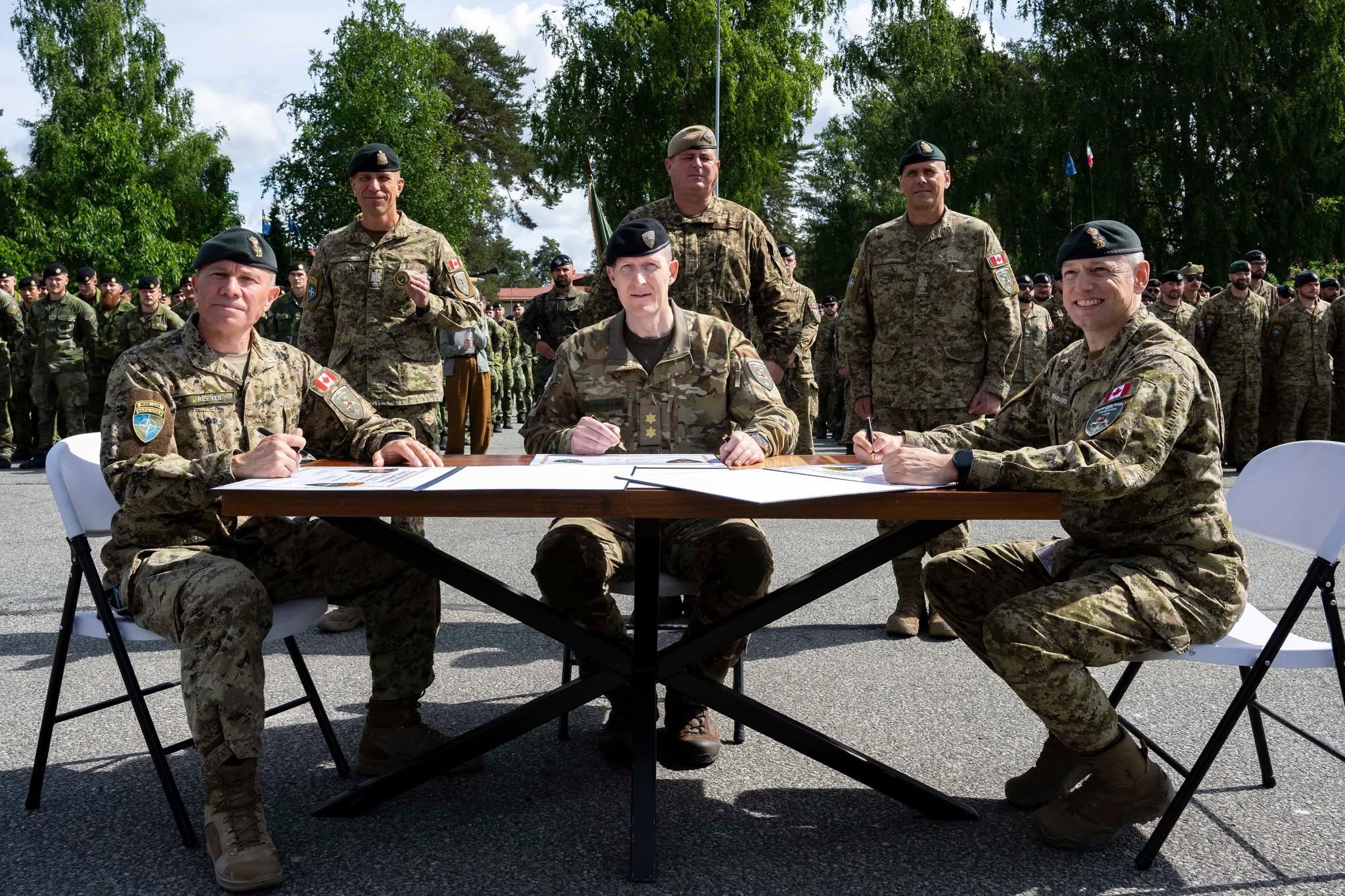
Photos: Cpl Justin Dreimanis, MNB-LVA Imagery
Americans are fighting rapid technological change — with violence
https://www.alternet.org/data-centers-violenc/
The rapid deployment of artificial intelligence across society is causing a dangerous new form of extremism that is radicalizing individuals across the ideological spectrum, according to a new report from The Guardian.
A pattern of alarming incidents suggests the threat is accelerating. A Texas man was arrested earlier this year with kerosene and a lighter near OpenAI‘s headquarters and Sam Altman’s house, along with an anti-AI manifesto. An Italian Instagram influencer was arrested for plotting anti-tech attacks inspired by Ted Kaczynski, the Unabomber. Two self-described “ecofascists” who attacked a San Diego mosque cited “AI slop” as motivation. An Indianapolis city council member found gunshots fired through his home with a note reading “NO DATA CENTERS.”
“AI is becoming this driver of political violence, and that’s a very new phenomenon,” said Jordyn Abrams, a researcher at George Washington University’s Program on Extremism, according to The Guardian’s reporting.
The irony is stark: tech industry executives may be inadvertently radicalizing people through their own apocalyptic warnings about AI‘s potential to transform — or destroy — civilization.
Yannick Veilleux-Lepage, an associate professor at the Royal Military College of Canada, told The Guardian: “To radicalize people, you don’t actually need to have theorists or ideologues that are calling people to violence against AI, because the tech CEOs are doing a pretty good case.”
Canada’s agricultural sector is fragmented, and alignment across commodity groups, industry, academia and investors is difficult to achieve. But one issue has emerged as rare common ground: the need to recognize food security as part of Canada’s national security agenda.
As geopolitical instability, supply-chain disruptions, trade conflicts, climate change, biological threats and food insecurity intensify, calls for a more resilient food system continue to grow. To push that conversation forward, the University of Calgary Faculty of Veterinary Medicine (UCVM) and The Simpson Centre for Food & Agricultural Policy recently hosted a two-day workshop.
A long-overdue conversation
Since the mid-20th century, many European countries have maintained policies aimed at protecting food supplies and agricultural self-sufficiency. Canada, however, has not yet extended its national security framework to farmland and food production systems.
“The way that Canada has understood national security historically, from the government level, has been almost exclusively reactive and not proactive,” explained Dr. Adam Chapnick, PhD, professor of defence studies, Royal Military College of Canada, and a speaker at the workshop. “This isn’t a forward-thinking tradition that we have in this country.”
A Veteran Director Doesn’t Replace a Revenue Line – What Activate Energy’s Board Move Really Signals
Here’s what no press release will tell you: adding a respected name to a board is not the same as adding a business that pays a dividend.
Activate Energy Acquisition Corp. (AEAQ) announced on June 3 that it appointed David Whitby (RMC 1977) as a director, effective May 20, 2026. Whitby is a 70-year-old retired oil and gas executive with more than 40 years in the industry – he was managing director and chairman of ASX-listed Nido Petroleum, president and CEO of G2 Energy, and a vice president at Husky Oil. The credentials are real. The timing is the question.
Because Activate Energy AEAQ0.00% is not a company. It is a blank check – a SPAC that raised $230 million in a December 2025 IPO and has, at this point, done nothing with that money except park it in a trust account. The trust held $232.5 million as of March 31, earning interest. There is no revenue. No cash flows. No dividend. No products or services. The stock trades at roughly $9.99, which is essentially the redemption price shareholders would receive if the company liquidates.
Humanitarian Assistance in International Law and the Distinction Between Preventive Assistance and Emergency Relief in Armed Conflict
Marina Sharpe is Associate Professor of international law at Canada’s Royal Military College Saint-Jean
Humanitarian assistance refers to essential goods and services provided in accordance with the core principles of humanity, impartiality, neutrality, and independence (or similar sets of principles) to save lives, alleviate suffering, and uphold human dignity when the State is unable or unwilling to fulfil its primary responsibility in this regard.
People affected by armed conflict and disasters have always needed humanitarian assistance. During the Thirty Years’ War (1618–1648), civilians received assistance from religious organizations, towns, and informal charities. The 1755 earthquake in Lisbon gave rise to what is widely recognized as the first major international disaster response. But it was only around 2014, when the United Nations (UN) Security Council imposed relief operations on opposition-held northwest Syria, that humanitarian assistance emerged as a prominent international legal issue. Subsequent major developments have included the publication of legal guidance on humanitarian assistance in armed conflict; inter-state litigation at, and an advisory opinion from, the International Court of Justice regarding Israel’s conduct in relation to humanitarian assistance for Gaza; the adoption by the International Law Commission (ILC) of Draft Articles on the Protection of Persons in the Event of Disasters; and a General Assembly resolution to elaborate a treaty based on the ILC Draft Articles.
Despite these significant developments, until now there was no comprehensive treatise on how international law regulates humanitarian assistance in all contexts in which it is provided: war, violence not amounting to armed conflict, peacetime disasters, mixed situations, and at sea.
Journalist Carol Off to Receive Highest Honour From Royal Roads University
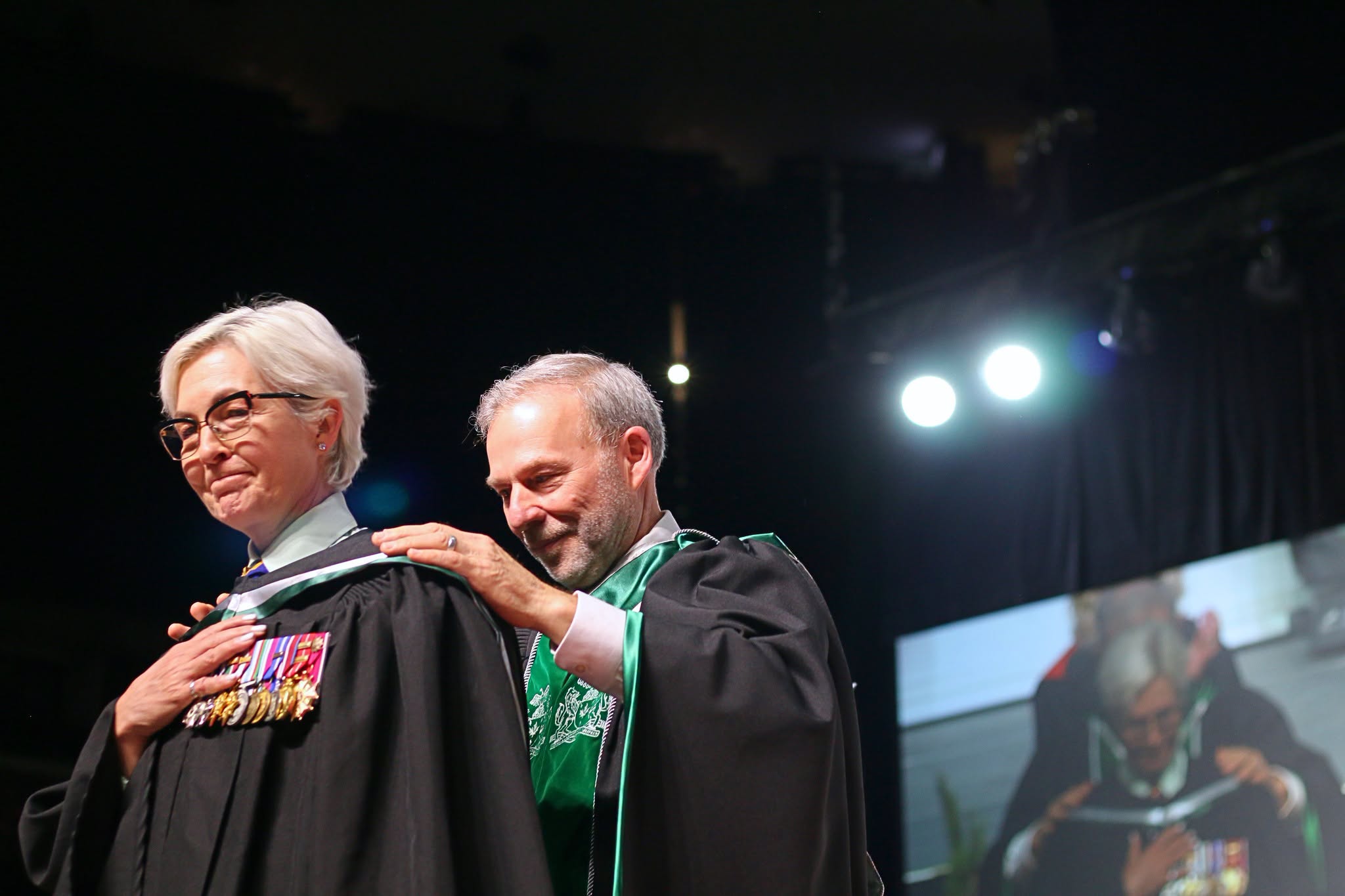
Royal Roads University in View Royal, BC, will award acclaimed journalist and author Carol Off with a Doctor of Laws, honoris causa, at its Spring 2026 Convocation this June. The honorary doctorate is the university’s highest honour, recognizing individuals of exceptional merit who reflect the school’s values of caring, creativity and courage.
Off is best known for her nearly 16 years as co-host of CBC Radio’s As It Happens, where she conducted more than 25,000 interviews before stepping down in February 2022. Her career has also included documentary reporting for The National, with assignments across the Middle East, the Balkans, Afghanistan and the former Soviet Union.
Before the convocation, Off spoke at a sold-out Changemakers Speakers Series event at the university in May 2026, where she encouraged the audience to help shape what she called a “new Canada.” She has previously received honorary degrees from Western University and the Royal Military College of Canada.
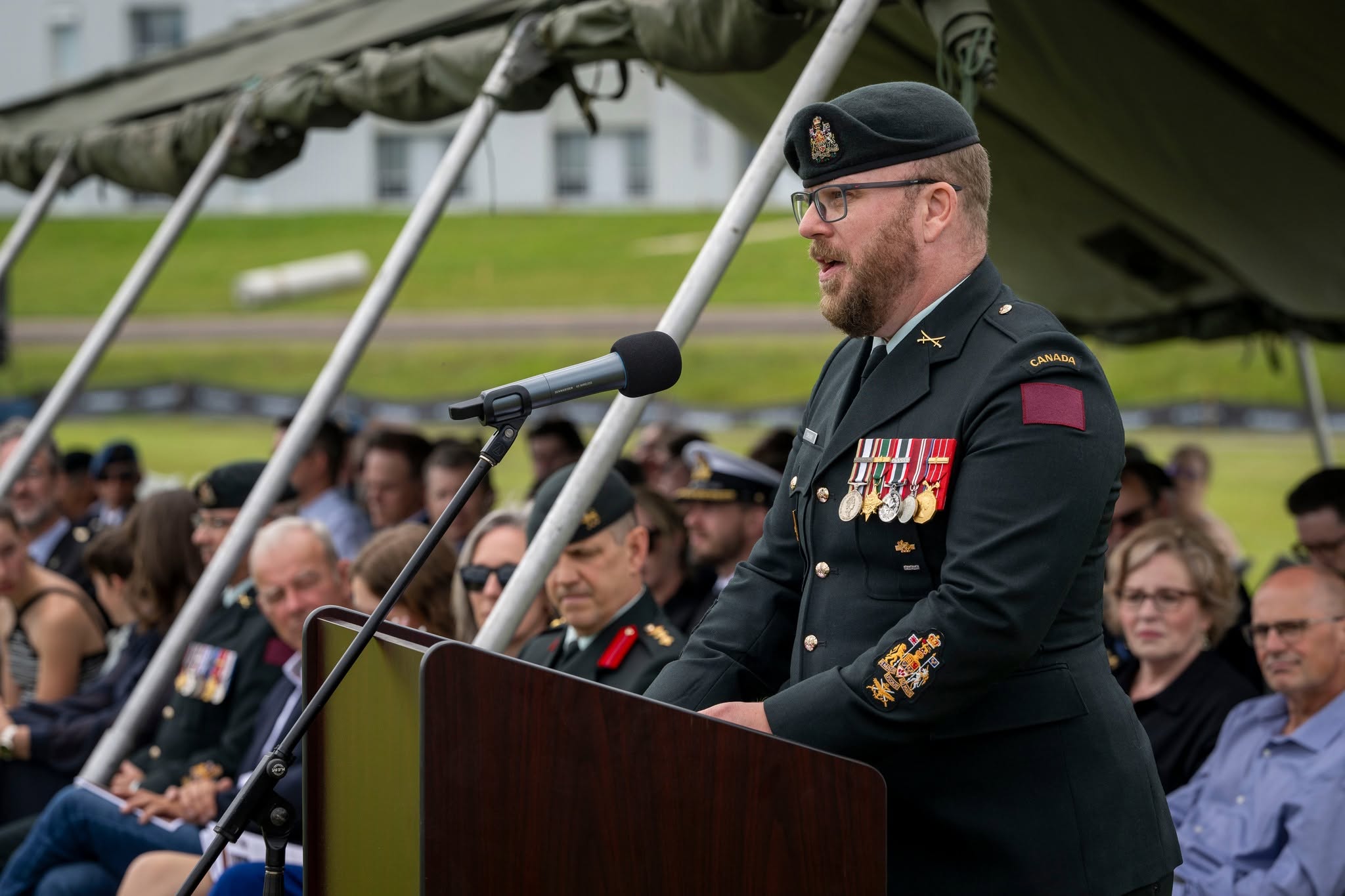
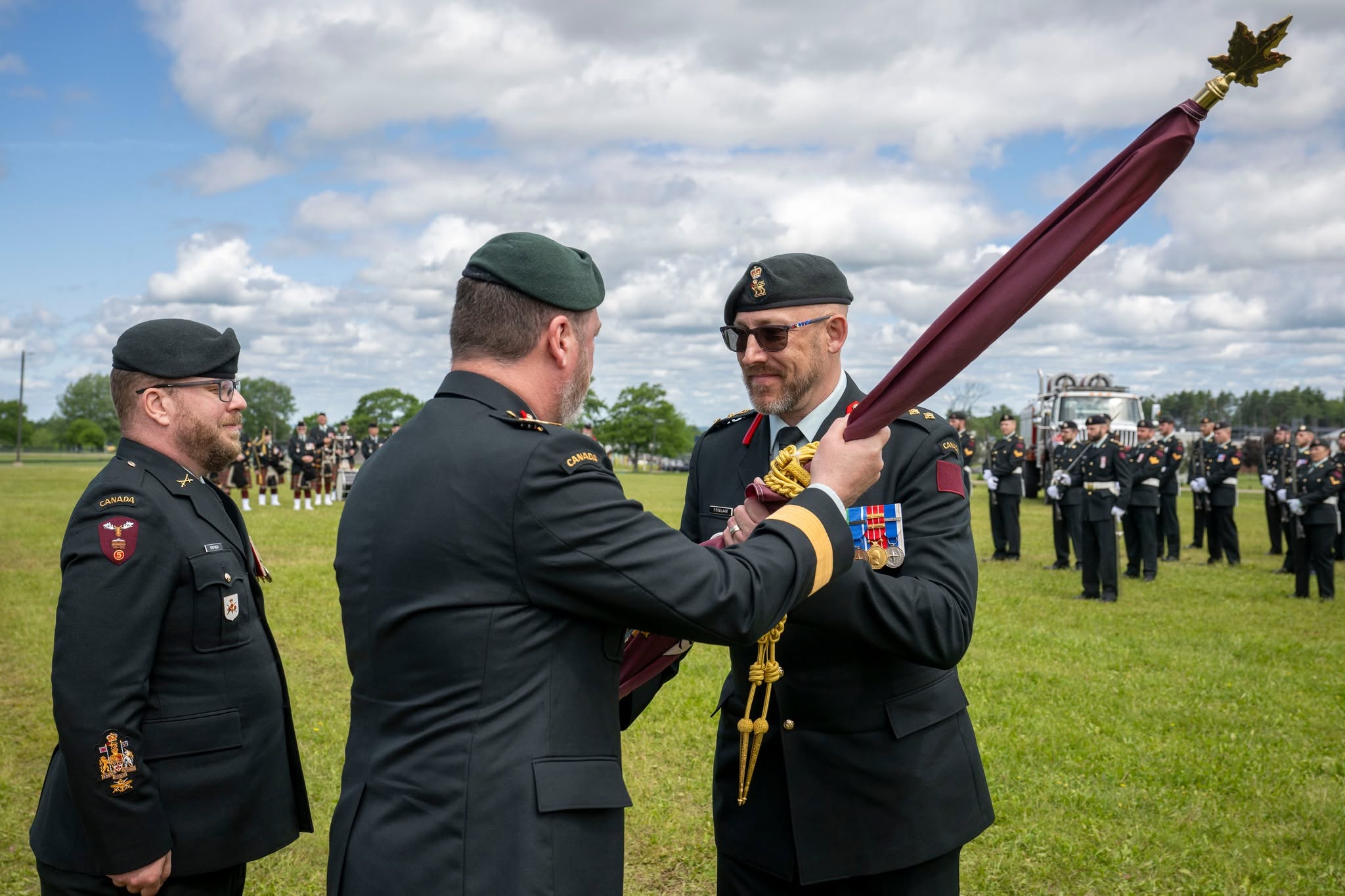
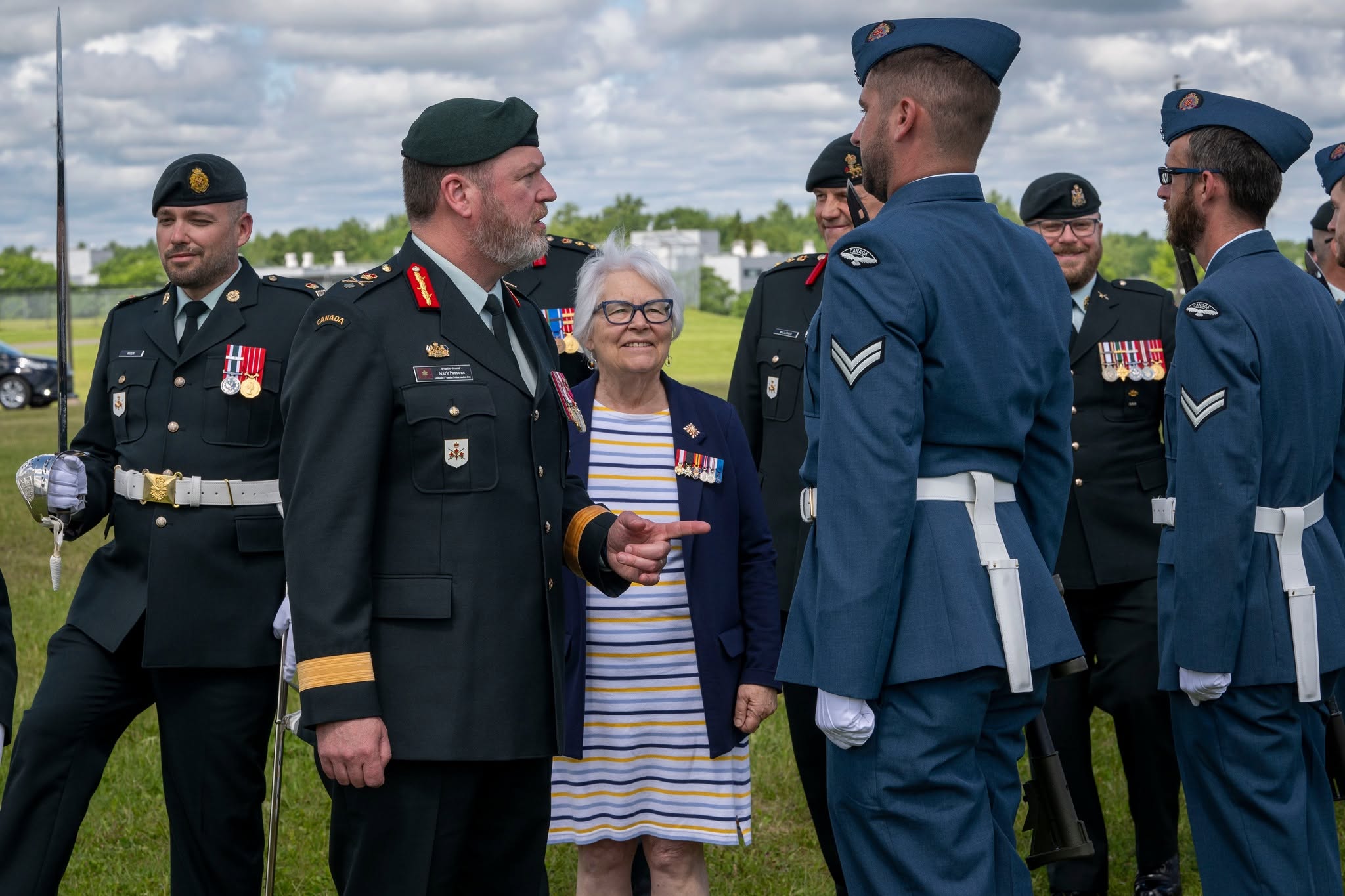
Today we bid farewell to outgoing Base Commander Col Paul Williams and outgoing FSM CWO Dave Hudon, and proudly welcome incoming Base Commander Col Erik Esselaar and incoming FSM CWO Roger Crevier as they assume command of 5th Canadian Division Support Base Gagetown.
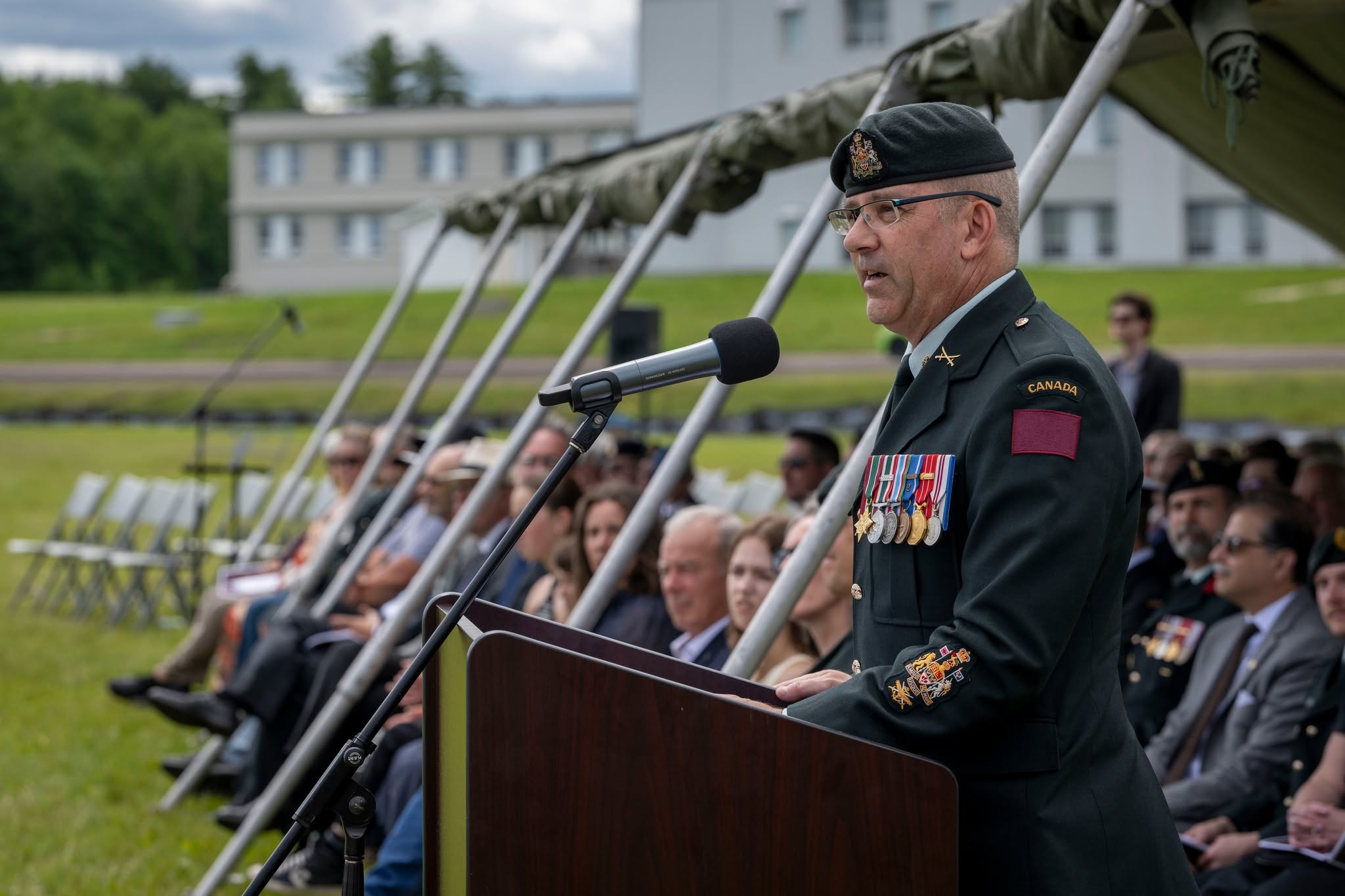
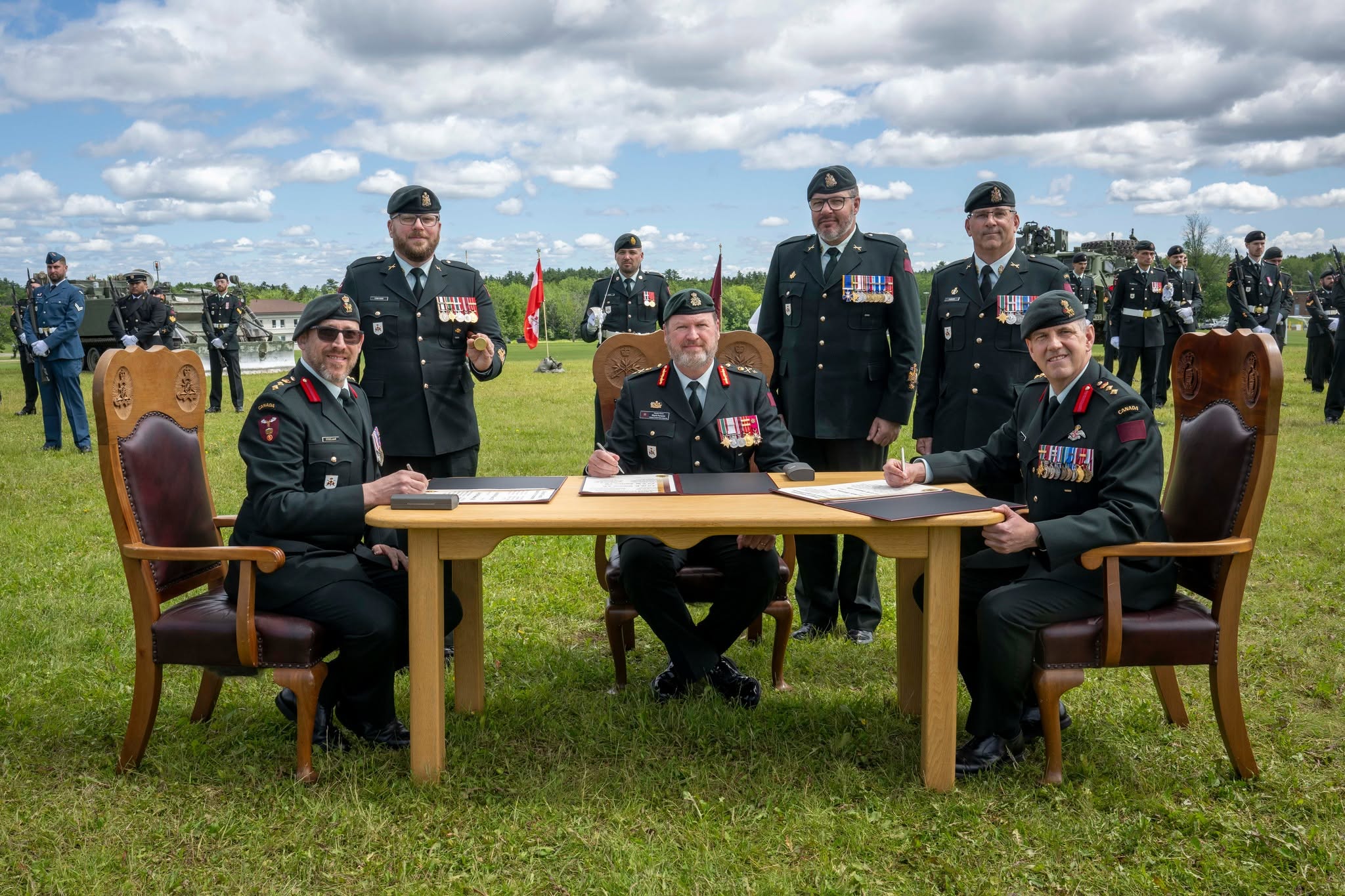
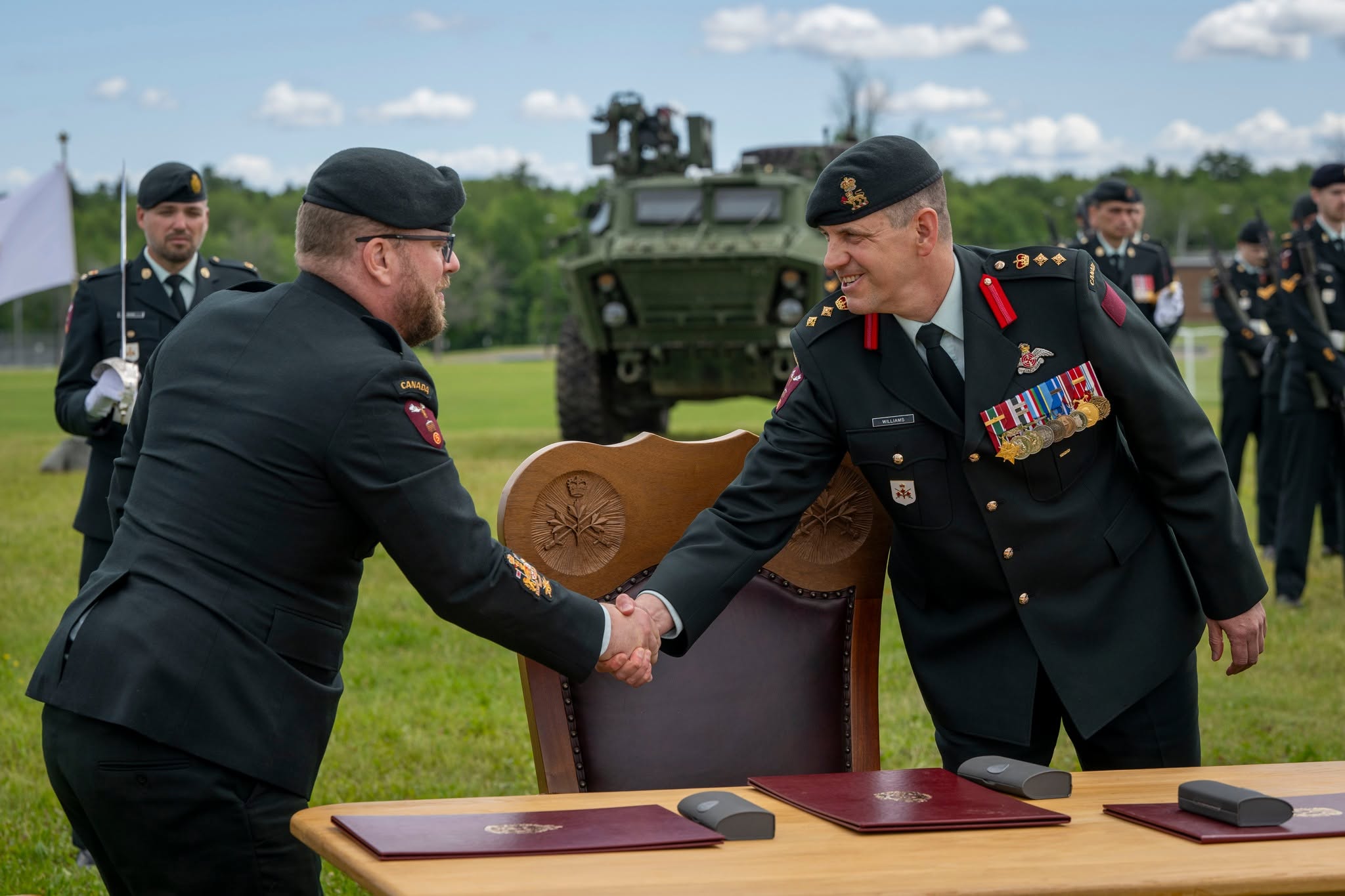
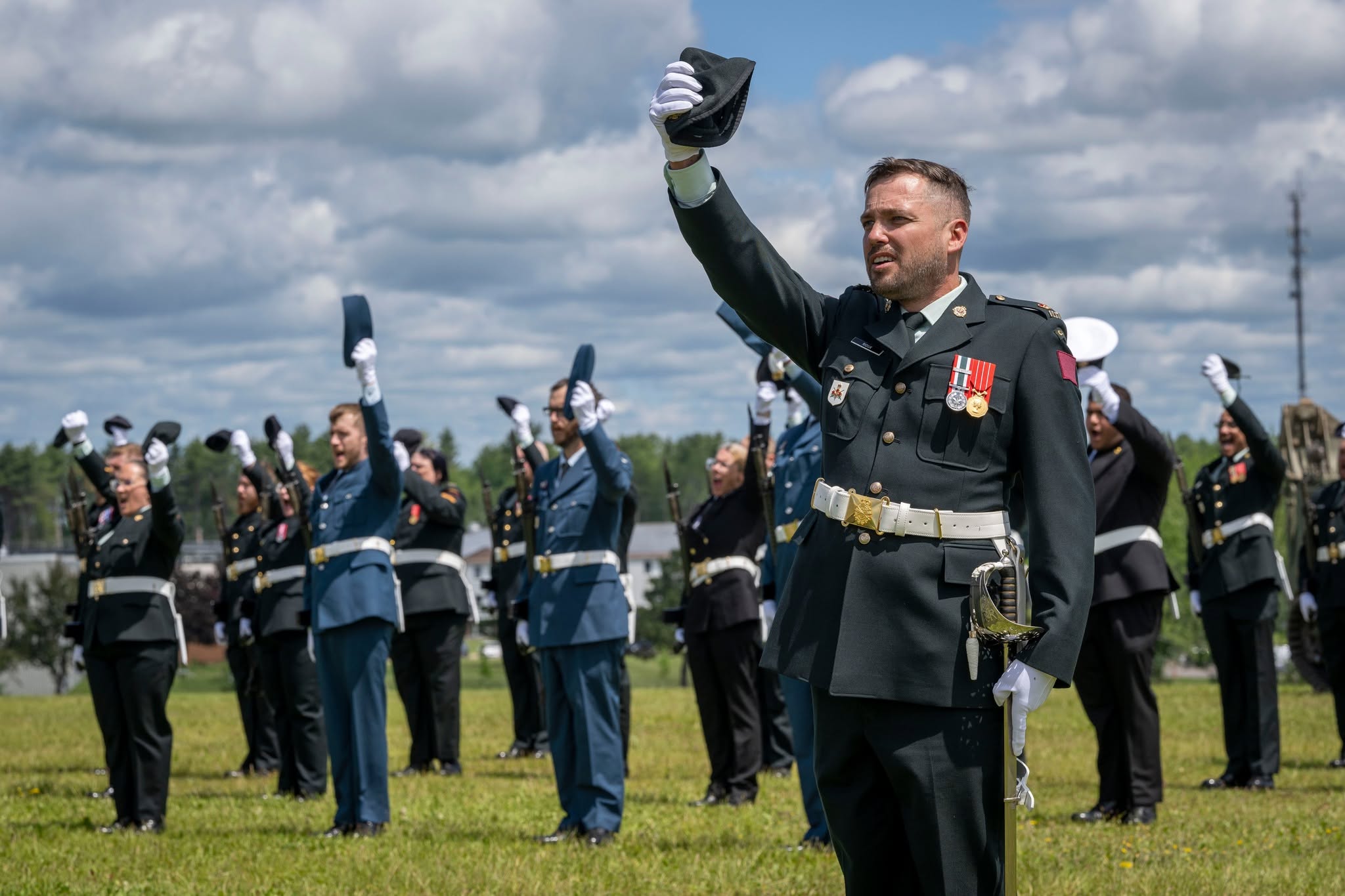
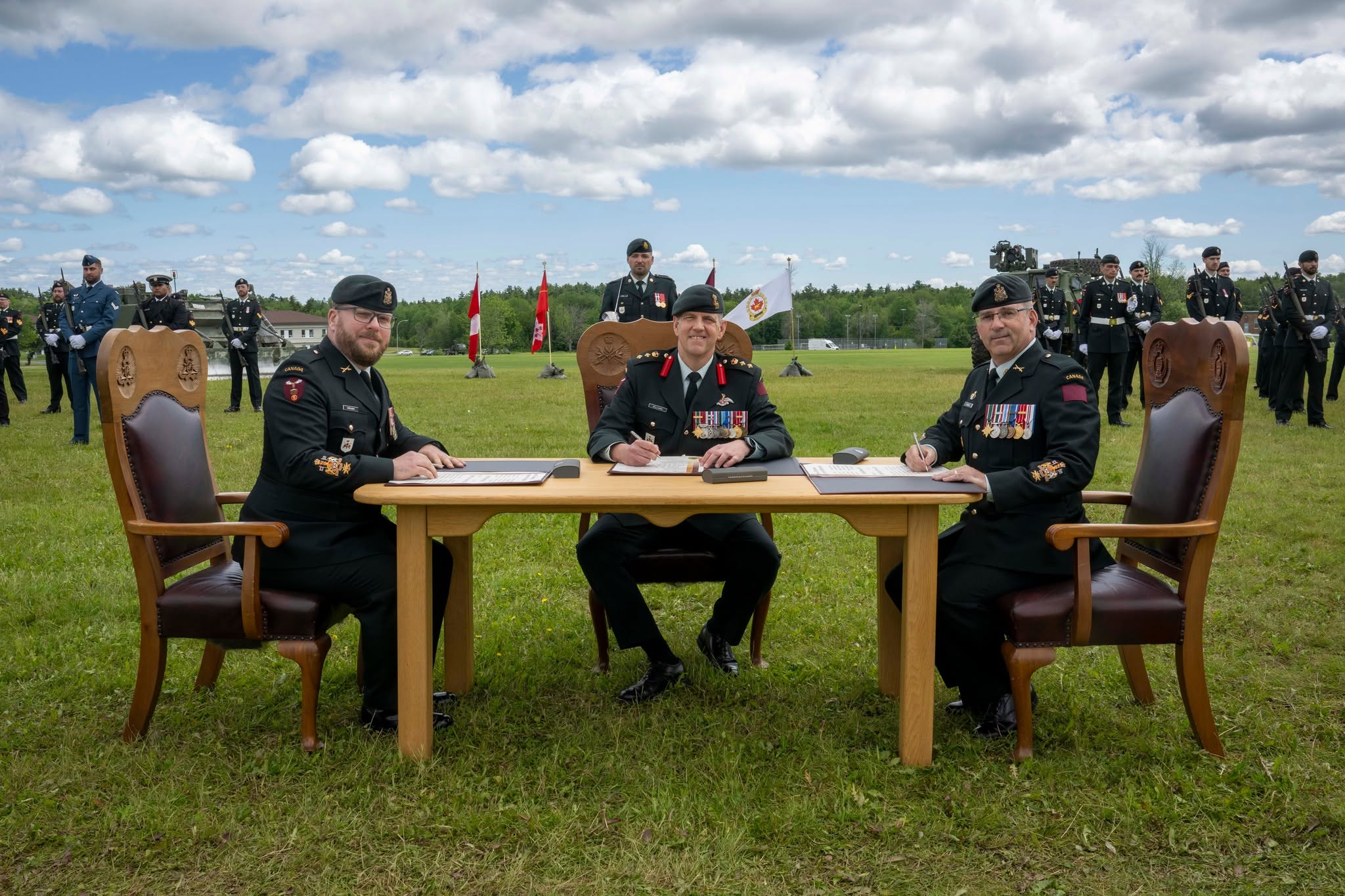
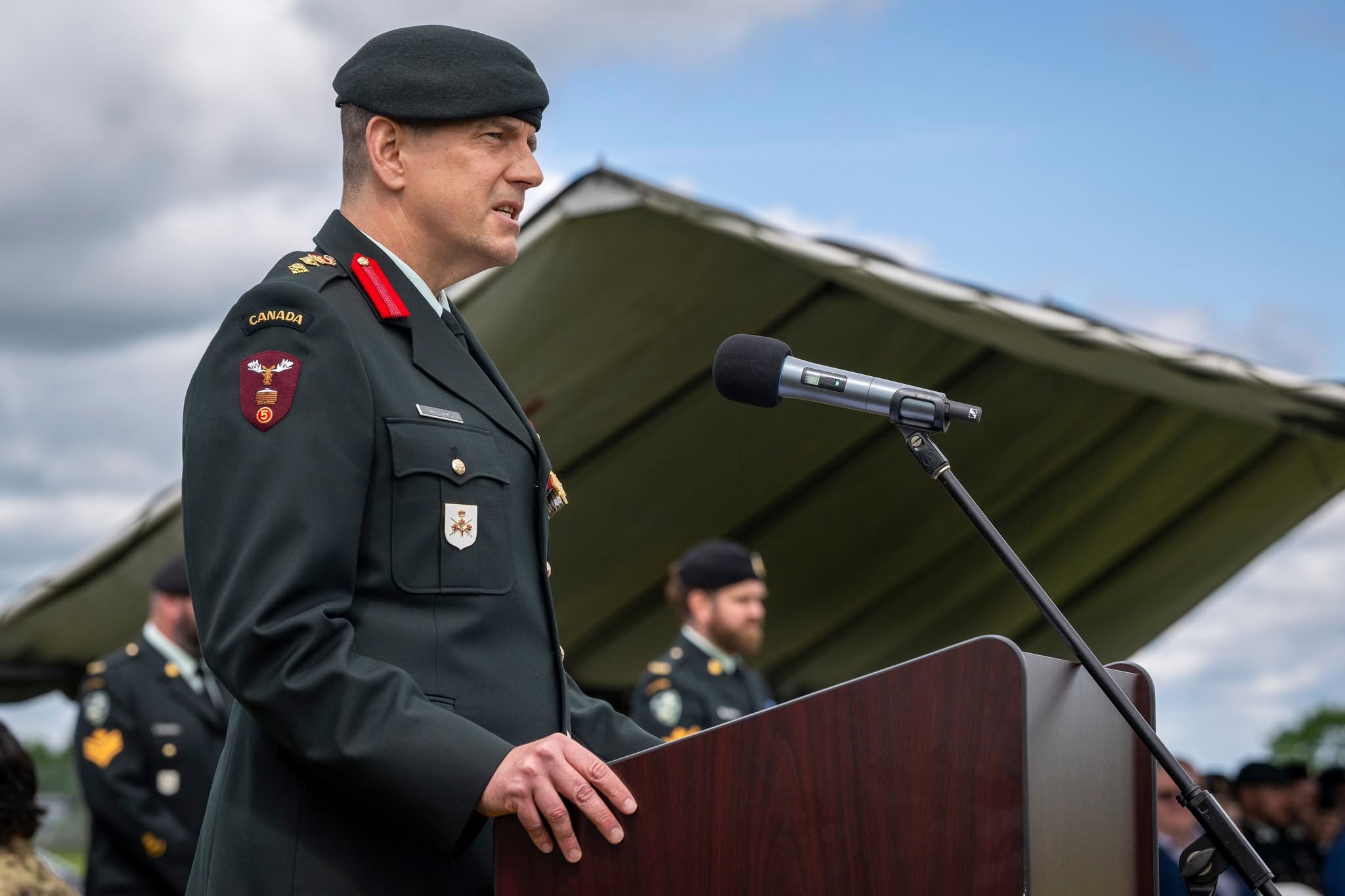
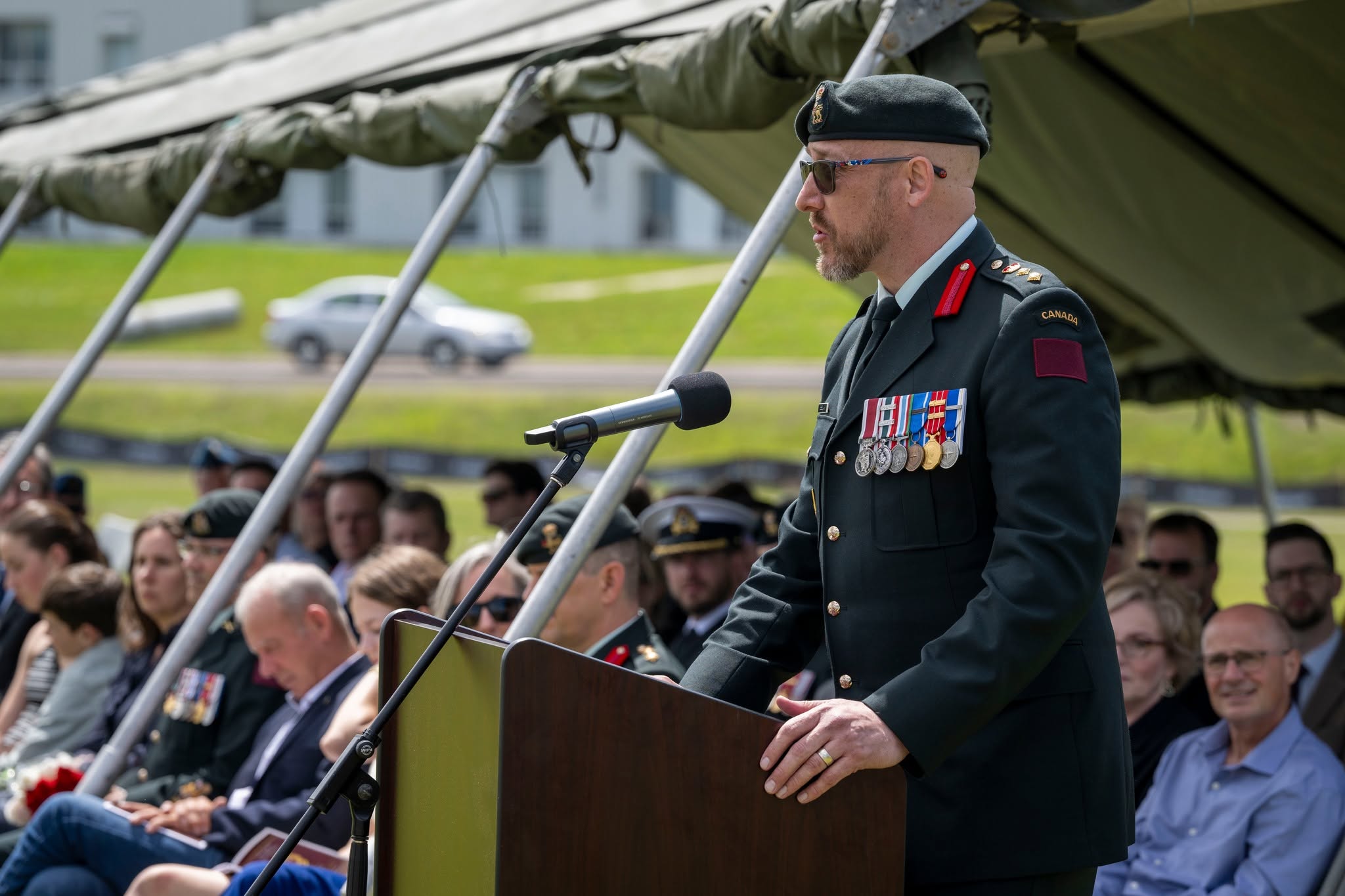
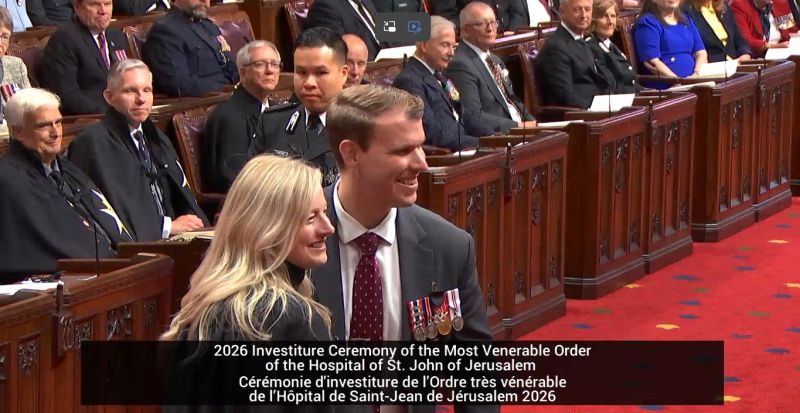
A fitting day to reflect, as today marks St. John Day and an opportunity to celebrate the countless volunteers and members who live the organization’s motto of “Service to Humanity.”
This past weekend, I had the privilege of being invested as a Member of the The Order of St. John Canada, following eight years of service through various volunteer, emergency management, and community leadership roles across Canada.
While the Investiture itself was a tremendous honour, what I will remember most from the weekend was the opportunity to reconnect with old friends and colleagues, including some who were invested by my side, and many of whom have dedicated years of their lives to serving others in their communities.
Organizations like St. John Ambulance Canada | Ambulance Saint-Jean are ultimately built on people, relationships, and a shared commitment to making a difference. I owe thanks to everyone who has been part of that journey over the years. I look forward to continuing to serve alongside you.
Decoration Day: Second World War pilot’s story remembered
–https://www.620ckrm.com/2026/06/24/decoration-day-second-world-war-pilots-story-remembered/
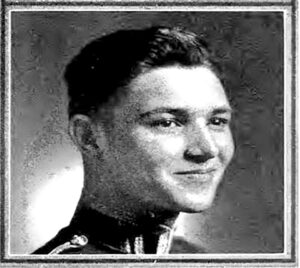
CANORA — The story of one of Canora’s Second World War veterans was presented as part of Decoration Day in Canora.
Cathy Trach, the president of the Canora Legion, shared the results of research by Shelley Price-Jones, in attendance at Canora’s 2026 Decoration Day service, on the life and death of Lieutenant Hugh “Shug” MacMillan Walker, born in Yorkton in 1922, educated in Canora, and killed in action in 1944 in France during the Normandy invasion. Excerpts from her research are shared below:
“It was only minutes after midnight on June 6, 1944 when the 1st Canadian Parachute Battalion set out from Britain, bound for Normandy, as part of Operation Overlord. Lieutenant Hugh (Shug) Walker was onboard a C-47 Skytrain (Dakota) aircraft. Walker, along with 18 to 22 other paratroopers, were carrying 70 lbs. of gear, including a knife, toggle rope, escape kit with French currency, two 24-hour ration packs, and depending on the role they were serving, a Bren or Sten gun, grenades, pistol, or respirator.
“Following emigrating from Scotland to Canada William Walker (Shug’s father) initially settled in Yorkton. This is where his two sons were born and within a few years of Lieutenant Walker’s birth, the family moved to Canora.
“Shug Walker graduated from Royal Military College in June, 1941. On June 10, 1941 Gentleman Cadet Hugh Walker, enlisted with the 19th Field Battery, R.C.A. in Port Arthur, Ont.
“Becoming a paratrooper involved extreme physical and psychological condoning including progressive parachute jumping from 10m-75m towers with a fall arrest harness, or zipline, that helped overcome the fear of heights and teach proper falling/landing measures.
“‘Stand up and hook up!’ Operation Tonga [the codename for the airborne operation undertaken by the British 6th Airborne Division for D-Day], under the umbrella Operation Overlord [the codename for the Normandy landings], was about to begin and all of Lieutenant Walker’s thoughts would have cleared as he prepared to jump.
On June 6, 1944, ‘C’ Company ‘[had been given] the task as part of Operation Overlord,’ of clearing out the enemy garrison at Varaville, the gun emplacement at the road near the Chateau just east of Varaville, the destruction of the bridge over the Divette River, and the radio transmitter station near Varaville as well.
Shifting Military Balances: Nuclear Deterrence
The Canadian Centre for German and European Studies and the Defence and Strategy Forum host a symposium on shifting military balances within the Alliance. Teodora Morosanu (Deputy Secretary-General of the Defence and Strategy Forum) moderates a panel discussion on nuclear deterrence and conventional forces. The panel brings together French Ambassador to Canada Michel Miraillet, Brigadier-General Carol Potvin (Deputy Director General of Continental Defence Policy at the Department of National Defence), Laurent Borzillo (postdoctoral researcher at ENAP and founder of the FDS), Mathieu Landriault (OPSA and the University of Ottawa), and Chantal Lavallée (Royal Military College of Saint Jean).
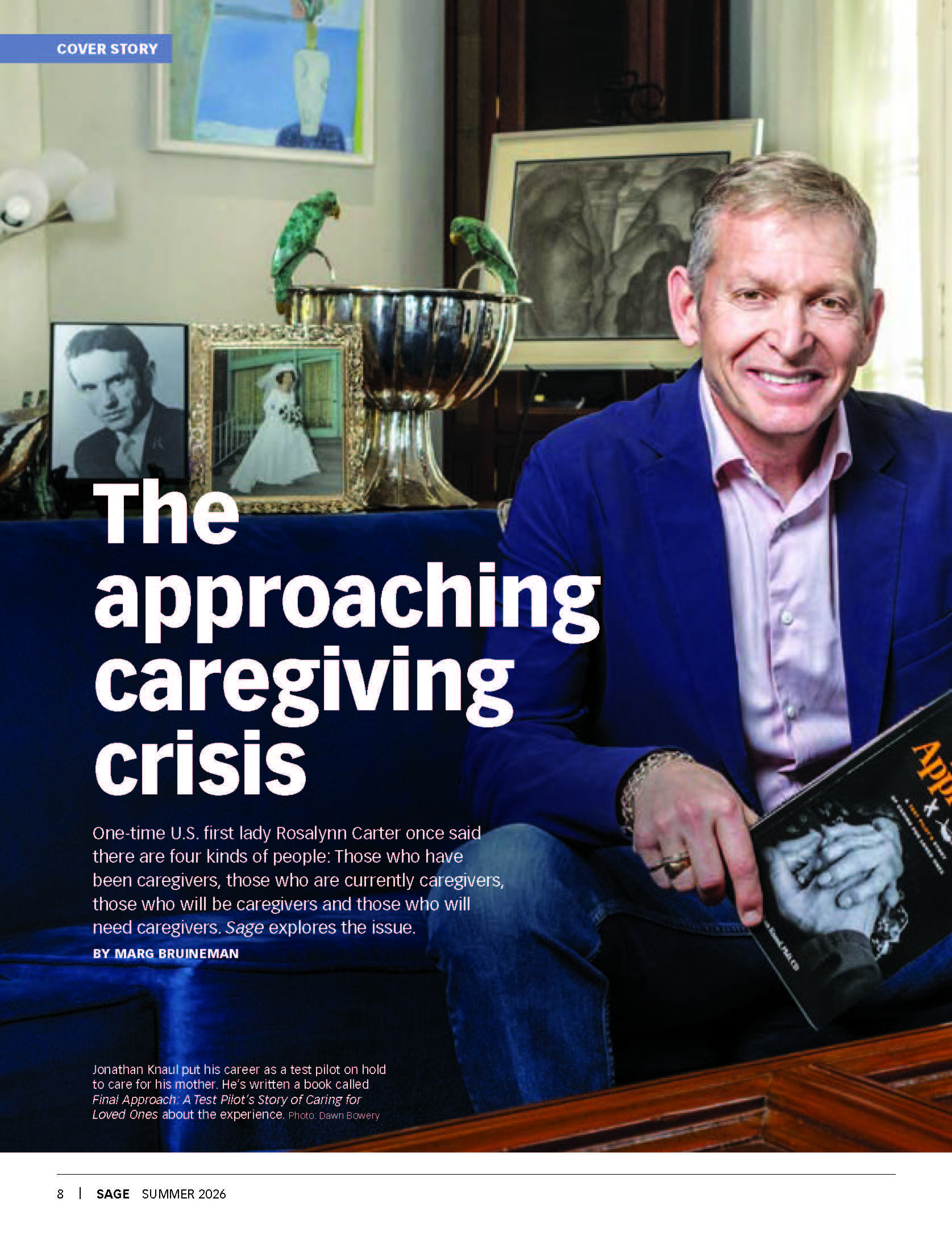
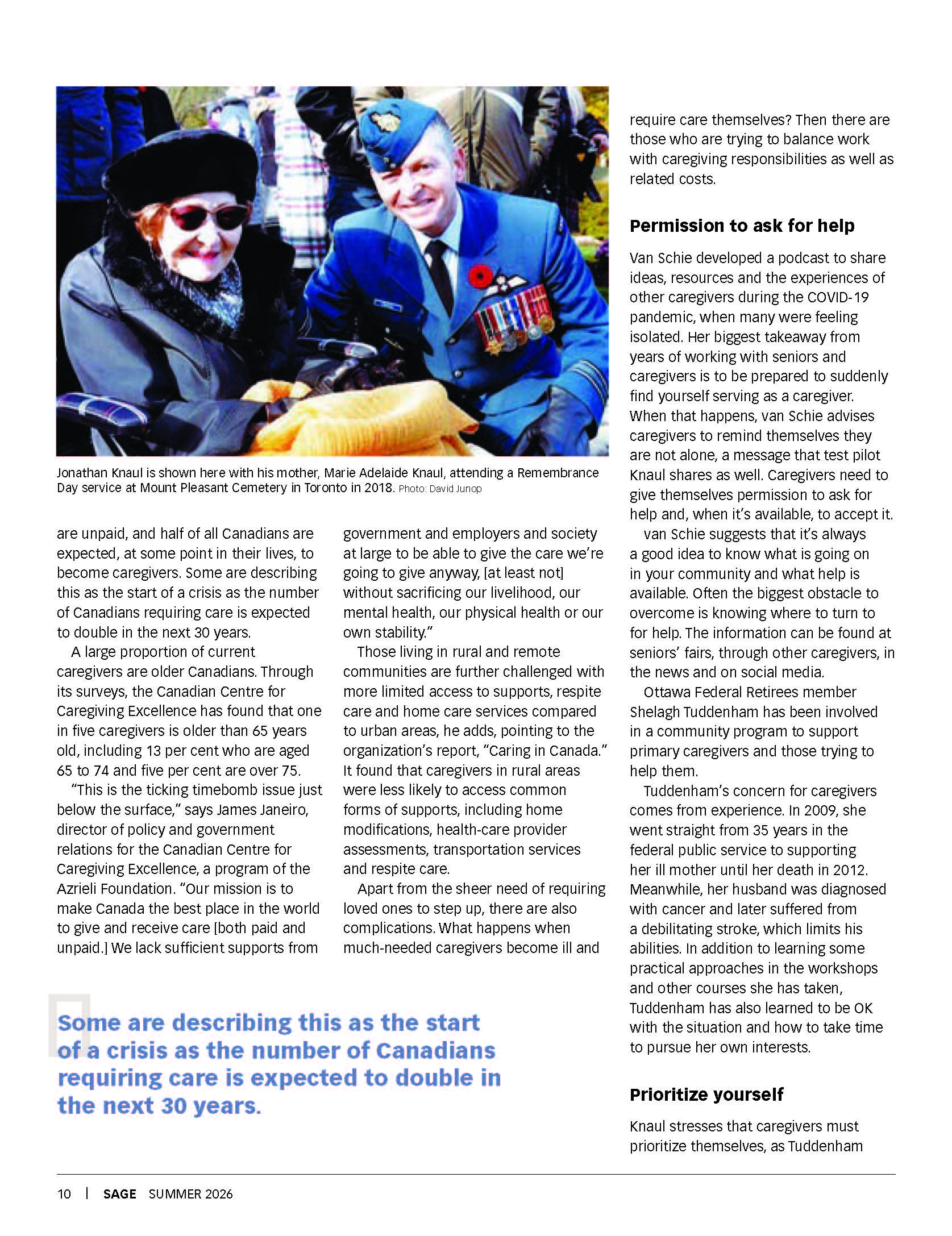
The looming care crisis: The gap in caregiving resources will likely widen further with Canada’s aging society.
Author Jonathan Knaul RMC 1991

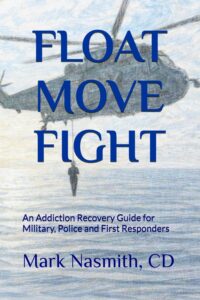
Mark Nasmith (RRMC RMC 1996) Shares PTSD and Addiction Recovery in New Book with the Hope to Help Others
Available on Amazon – https://www.amazon.ca/-/fr/Mark-Nasmith/dp/1067432809
Version 1.0.0
After serving 31 years in the Canadian Armed Forces, Grafton native Mark Nasmith has embarked on a new mission: helping others navigate trauma, addiction and recovery.
Nasmith, who retired in September 2023, has released Float-Move-Fight, a book inspired by his experiences recovering from post-traumatic stress disorder (PTSD) and alcohol addiction as well as his desire to find a new way to continue serving with great purpose. The book, he says, is not an autobiography but rather a practical guide filled with ideas, strategies and hope for people facing their own challenges.
Diagnosed with PTSD in 2019, Nasmith’s efforts to cope eventually led to alcohol addiction. Through trauma therapy and addiction recovery work, he began rebuilding his life and rethinking who he wanted to be moving forward.
“I was getting over the PTSD and the addiction, so I knew I had to change my life,” Nasmith said.
“I started keeping notes basically of who I wanted to be, who I didn’t want to be anymore and, as I did that, I realized that what was helping me on this path was using some of those tools I had learned in the military in terms of planning, checklists, basically trying to apply order to the chaos, and that’s what we did fairly often.”
As he recovered, Nasmith became increasingly involved in helping others through peer trauma support, addiction recovery coaching and volunteer work. He has facilitated hundreds of public Alcoholics Anonymous meetings and found the experience deeply rewarding.
The desire to continue helping others ultimately led him to write Float-Move-Fight. The title reflects a shorthand for the priorities of a warship in combat, he explained.
“It comes down to the fundamentals. To be able to do anything, you have to float so float is the priority. You can’t fight unless you move so moving is the next priority, and then fighting comes after that so it’s very linear. First you must float, then you can move, then you can fight.”
Nasmith compares recovery to those naval priorities. Being healthy and safe represents “float.” Building connections, seeking support and taking positive steps forward represent “move.” The final stage, “fight,” is the difficult work of recovery itself — self-reflection, personal growth, volunteering and helping others.
Nasmith spent much of his career as part of air crews, including 13 years flying aboard Sea King helicopters and four years on the Alpha Jet. He said experiences leading to PTSD vary widely from person to person.
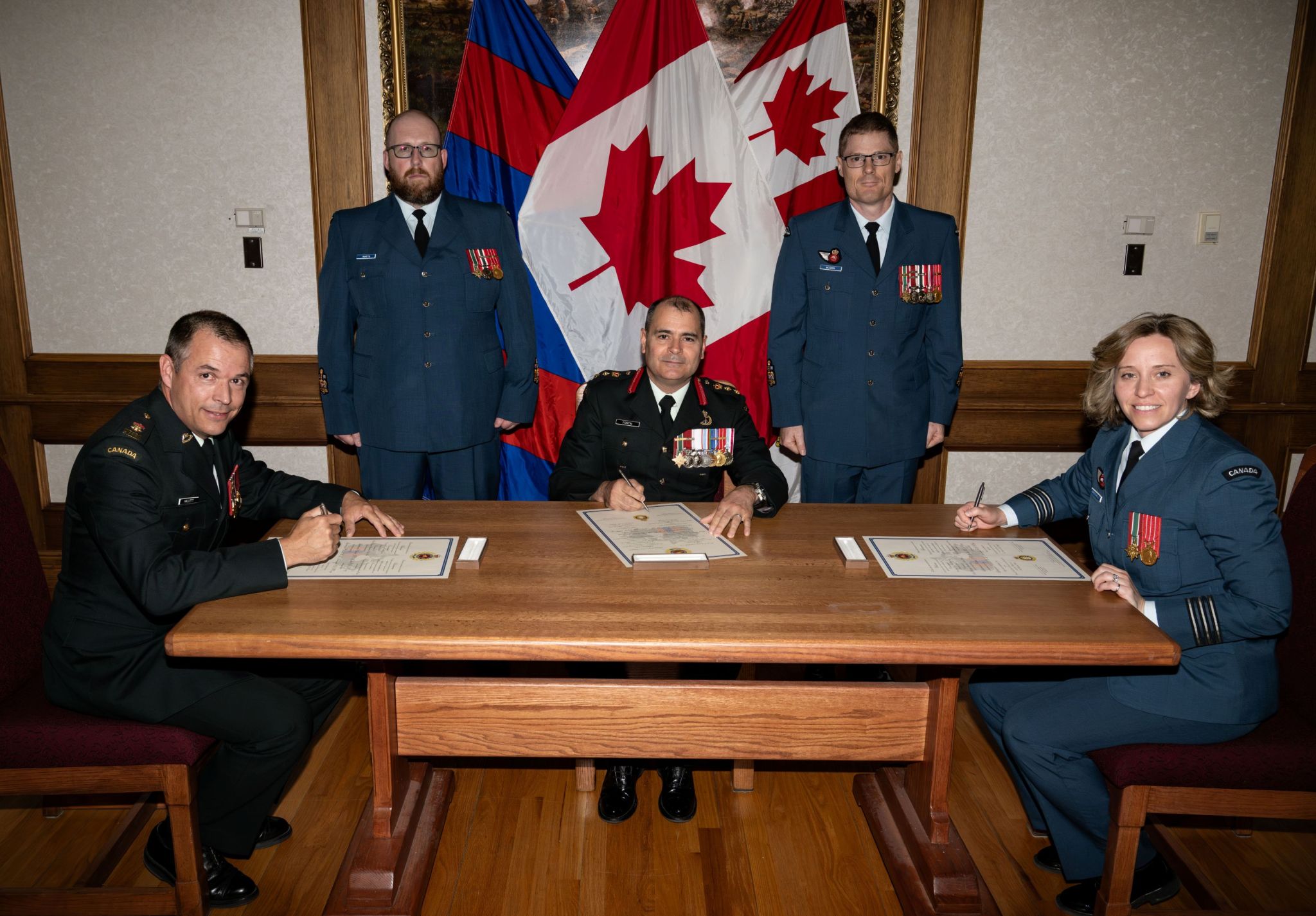
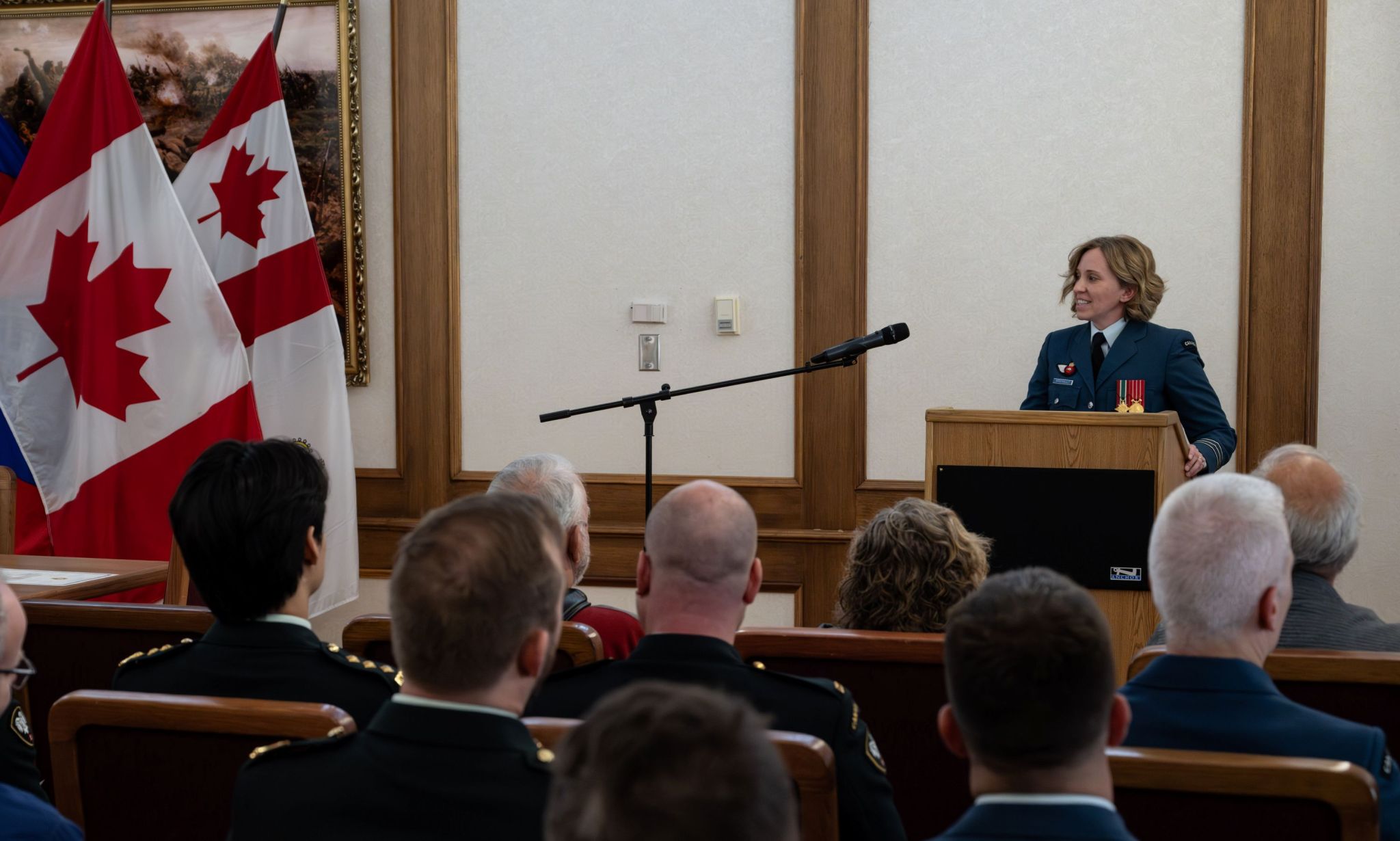
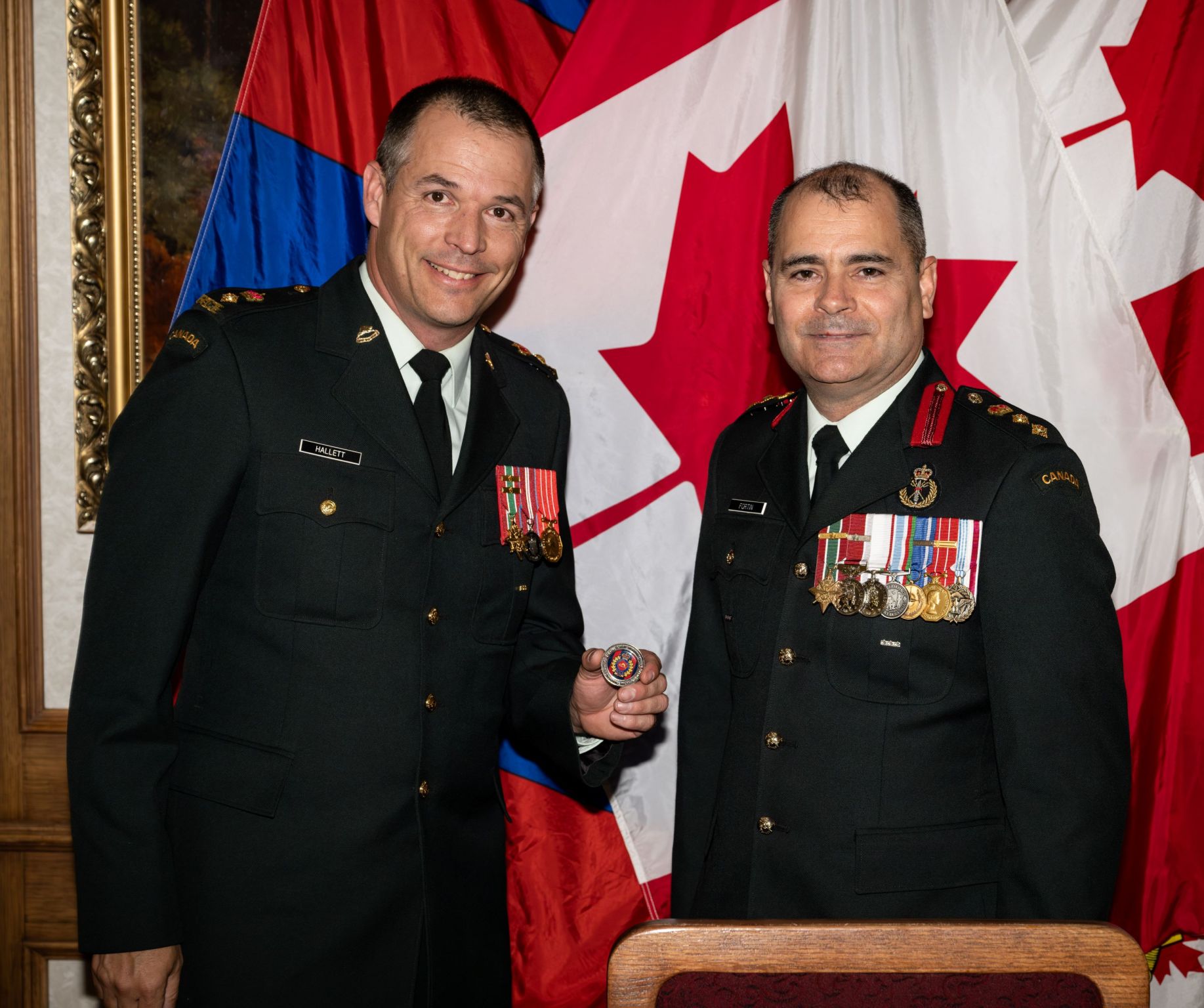
The Canadian Military Engineer community recently marked an important leadership transition as command of Real Property Operations Unit (West) passed from LCol Johnathan Hallett to LCol Melanie Arsenault – MPM, MDS, PEng, CD. Presided over by Colonel Eric Fortin, the ceremony highlighted more than a change of command. It reflected the critical role infrastructure plays in enabling operational readiness across the Canadian Armed Forces | Forces armées canadiennes.
During his remarks, LCol Hallett reflected on the pace and complexity of leading RPOU(W), including extensive travel across the Western region and the challenge of rapidly delivering infrastructure projects tied to Canada’s increased defence spending commitments. His observation that “RPOU is about taking care of the people in the buildings” was a powerful reminder that military infrastructure is ultimately about supporting the people who serve.
Incoming Commanding Officer LCol Melanie Arsenault emphasized leadership grounded in authenticity, adaptability, and long-term stewardship. She also spoke candidly about balancing command responsibilities with family life, offering an important perspective on modern leadership within the CAF.
As the CAF continues to modernize and expand infrastructure investment, organizations like RPOU(W) remain essential to operational effectiveness at home and abroad.
Congratulations to LCol Hallett and LCol Arsenault on this important transition of command, and thank you to the entire RPOU(W) team for the critical work you do every day in support of Canada’s defence mission. CHIMO!