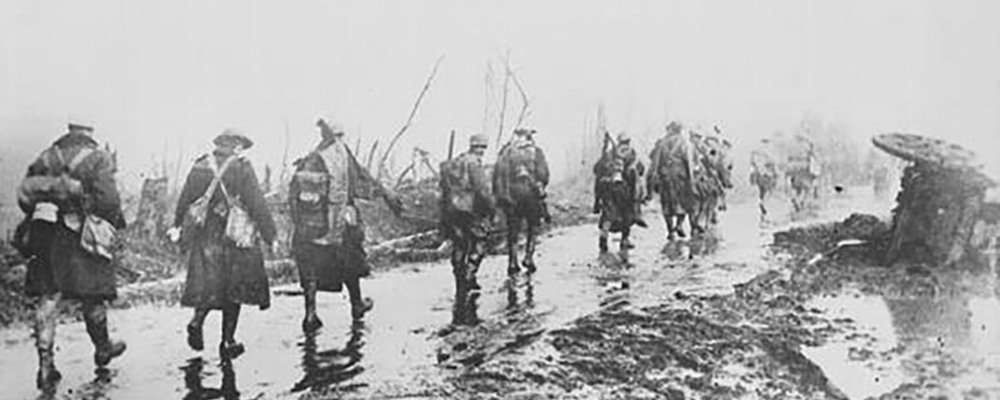
World War I, often referred to as the Great War, was a defining moment in the history of many nations. For Canada, a young dominion within the British Empire, the war marked a turning point that not only influenced the outcome of the global conflict but also shaped the nation’s identity and international standing. Canadian soldiers played a pivotal role on the battlefields of Europe, earning a reputation for bravery, resilience, and effectiveness. This article explores the significance of Canadian soldiers in World War I, highlighting their military contributions, the impact on Canadian society, and the lasting legacy of their involvement.
Military Contributions and Key Battles
When war broke out in 1914, Canada was automatically involved as part of the British Empire. Over 600,000 Canadians enlisted during the war, a remarkable number given the country’s population at the time. Canadian troops quickly earned respect for their determination and performance in several key battles. Most notably, the Canadian Corps played a crucial role in the Battle of Vimy Ridge in April 1917. The meticulously planned and executed assault resulted in the capture of a strategically important ridge in France, a feat that had eluded both British and French forces. The victory at Vimy Ridge became a symbol of national achievement and unity for Canada.
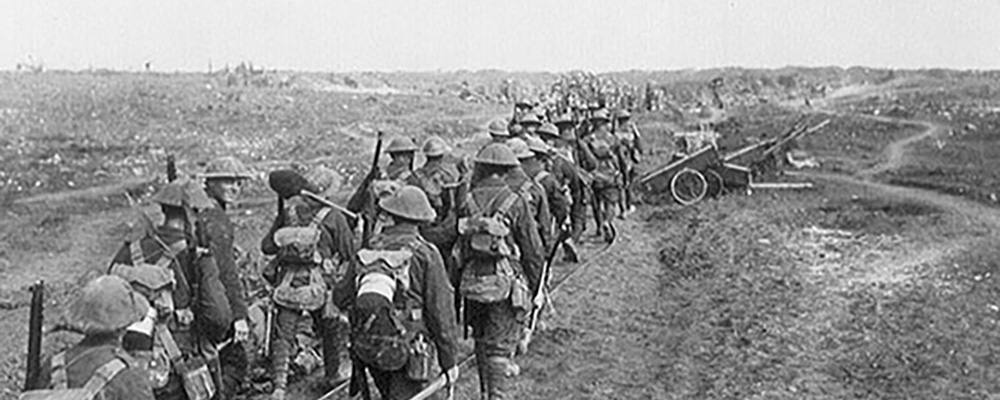
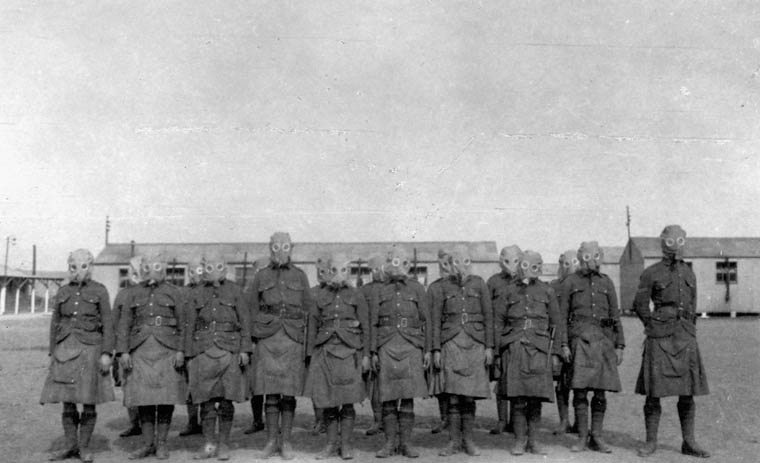
Canadian soldiers also distinguished themselves at battles such as Ypres, Passchendaele, and the Hundred Days Offensive. At Ypres in 1915, Canadians faced the first large-scale use of poison gas and held their ground under harrowing conditions. The Battle of Passchendaele in 1917 demonstrated their tenacity as they captured the ruined village despite brutal mud and heavy casualties. In the war’s final months, Canadian forces were at the forefront of the Allied advance, contributing significantly to the eventual victory.
Reputation and Recognition
The performance of Canadian troops during World War I earned them an international reputation as elite soldiers. The Canadian Corps was often assigned difficult tasks and proved capable of independent planning and execution. Their successes contributed to shifting perceptions of Canada from a colonial outpost to a nation with its own identity and military prowess.
Canadian soldiers received numerous honors for their valour, including several Victoria Crosses, the highest military decoration for bravery in the British Empire. Their contributions also led to Canada being granted a separate signature on the Treaty of Versailles, a significant step toward full sovereignty.
Impact on Canadian Society
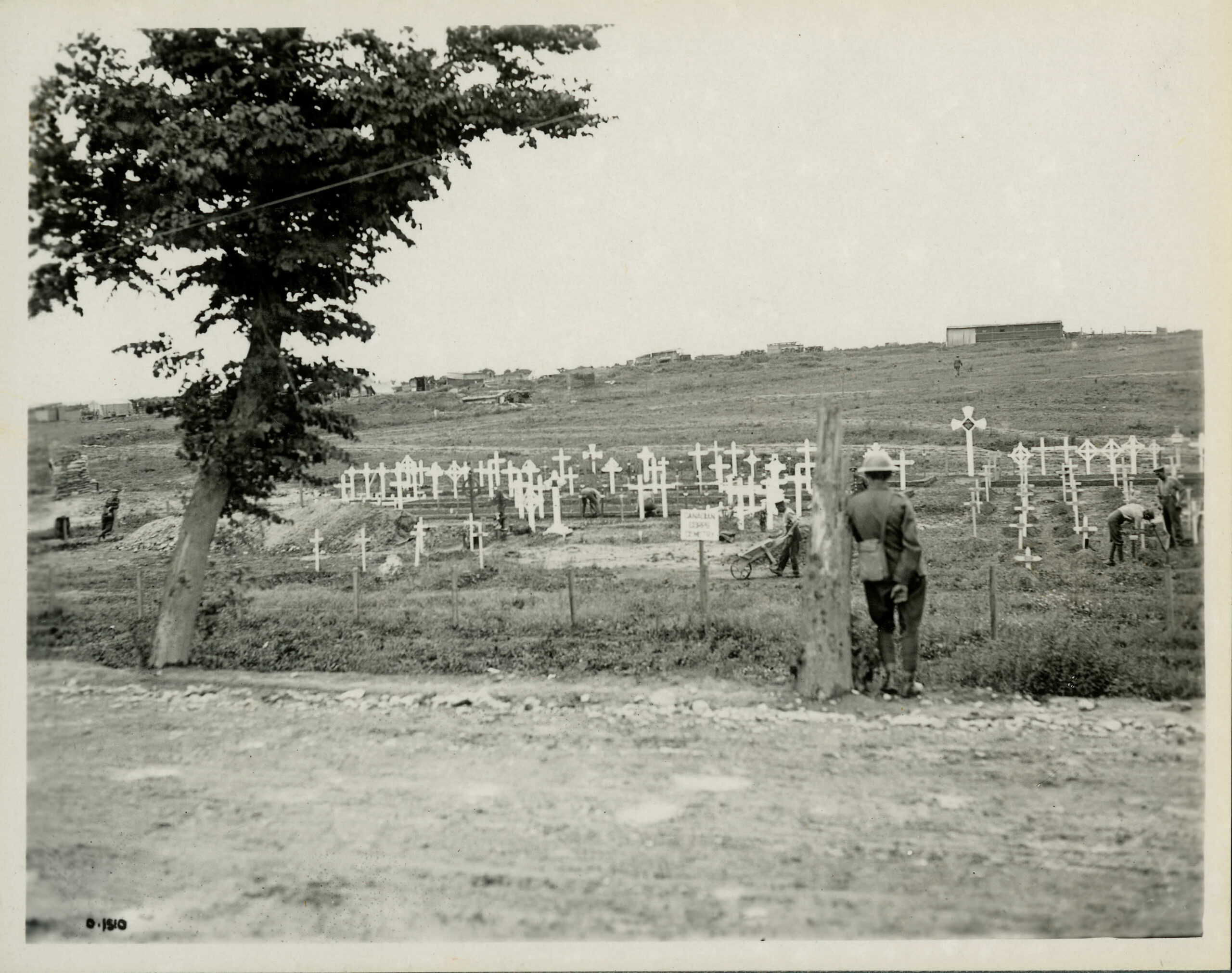
The war profoundly affected Canadian society. The high casualty rate—more than 60,000 Canadians died, and tens of thousands were wounded—left lasting scars on communities across the country. The shared sacrifices on the battlefield fostered a greater sense of unity and national pride, helping to forge a distinct Canadian identity.
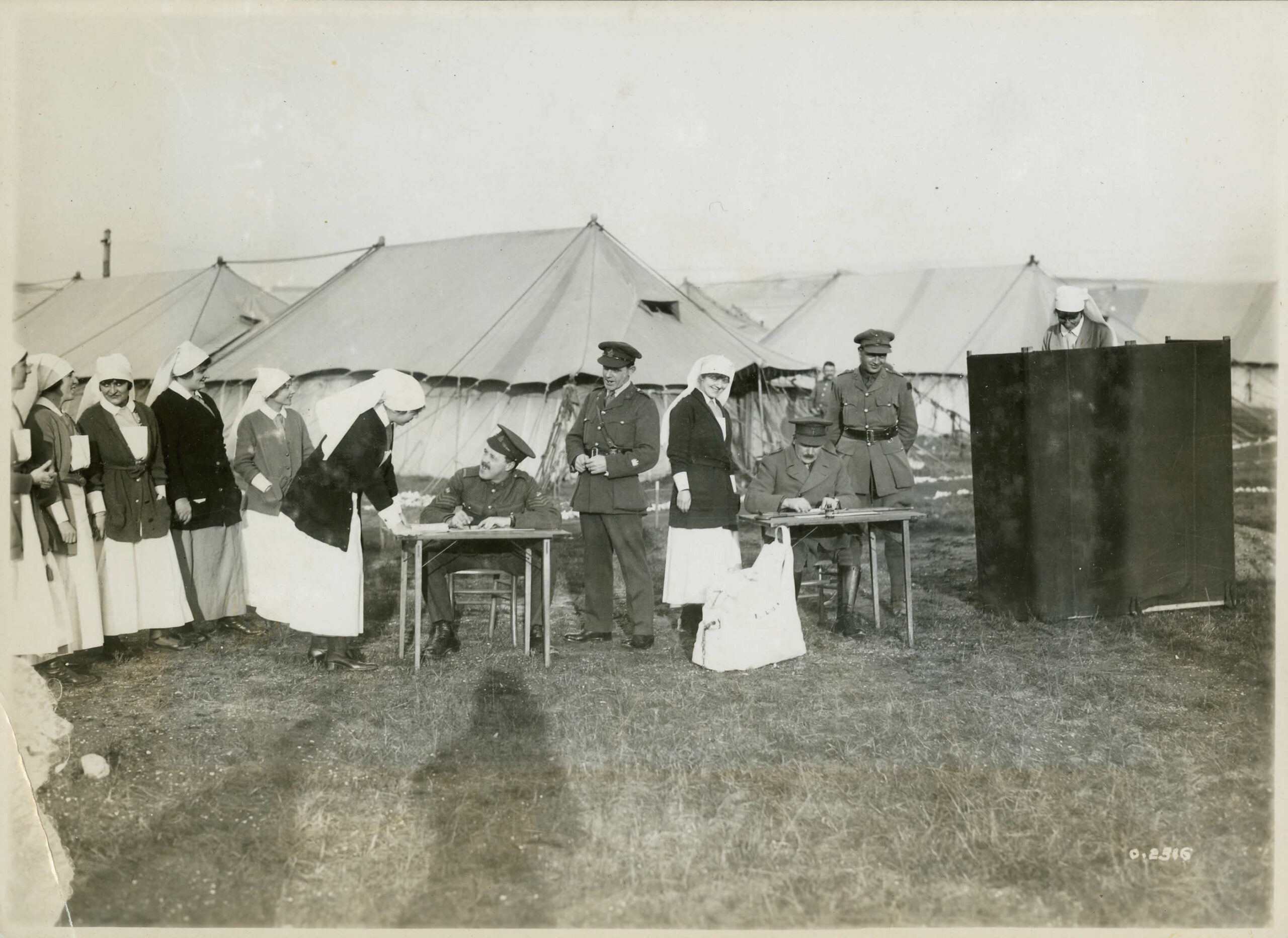
The war also accelerated social and political changes within Canada. Women, who had taken on new roles in industry and society during the conflict, gained the right to vote federally in 1918. The experience of the war laid the groundwork for increased autonomy from Britain, culminating in the Statute of Westminster in 1931, which granted Canada legislative independence.
Legacy
The legacy of Canadian soldiers in World War I endures in the nation’s collective memory. Monuments such as the Vimy Memorial in France and Remembrance Day ceremonies across Canada honor their sacrifices. The war’s centennial sparked renewed reflection on the bravery and significance of those who served.
Canadian soldiers in World War I were instrumental not only in achieving military objectives but also in shaping the course of their nation. Their courage and sacrifices helped Canada emerge from the war with a stronger sense of identity, unity, and international respect—a legacy that continues to define the country today.
Notable RMC Officers Who Served in World War I
Highly Distinguished RMC Alumni
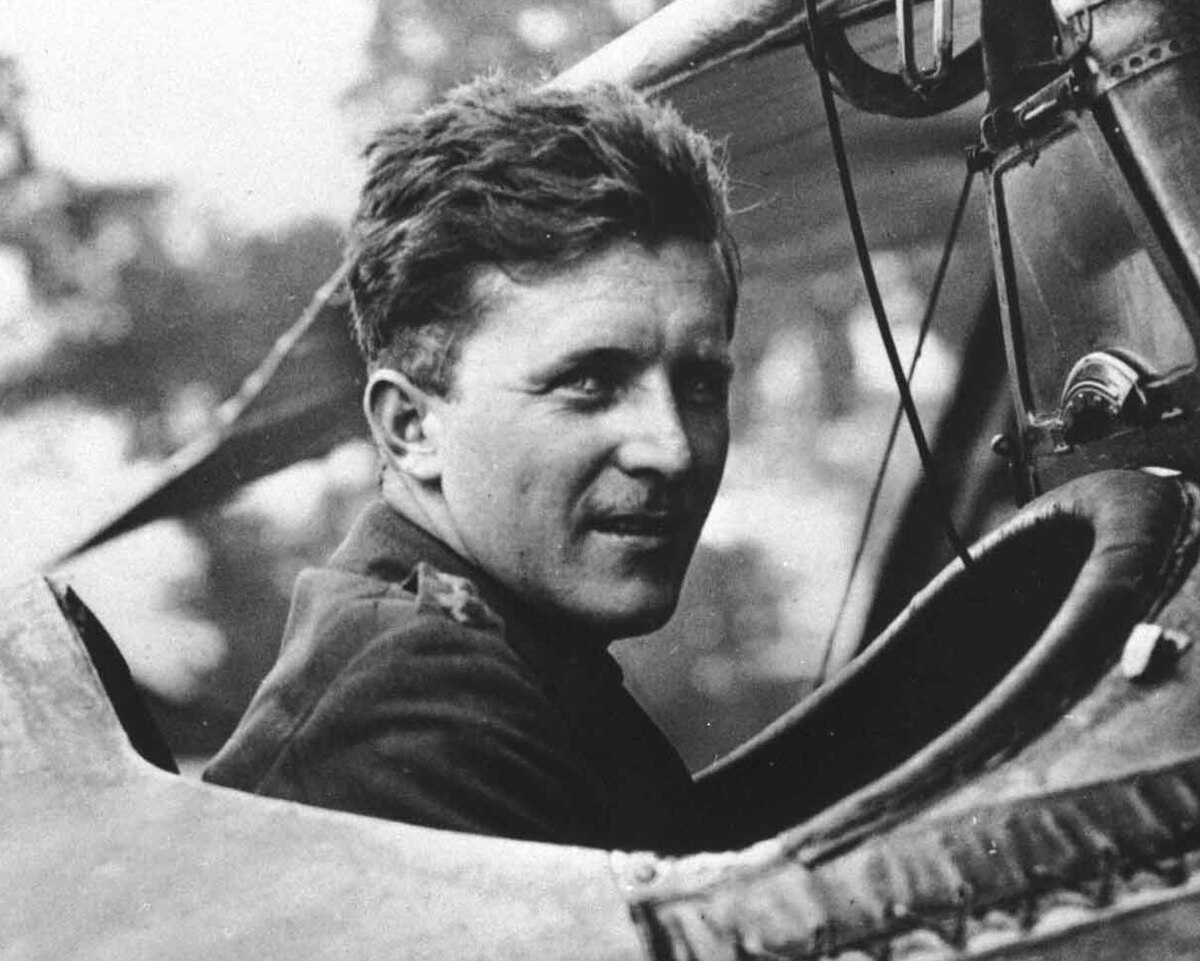
- Billy Bishop – Leading ace of the First World War, recipient of the Victoria Cross, and instrumental in the creation of the Canadian Flying Corps.
- Lieutenant Wallace Lloyd Algie – Awarded the Victoria Cross for bravery in action during the Hundred Days Offensive.
- Major Augustus Waterous Agnew – Served and died in the Great War (1916).
- Captain Frederick Anderson – Chief hydrographer of Canada, served in WWI.
- 2nd Lieutenant Frederick Henry Anderson – Died in service, 1918.
- Major General Thomas Victor Anderson – Chief of the General Staff, head of the Canadian Army (1938–1940), served in WWI.
- Captain Edward Davey Ashcroft – Died in service, 1917.
- Captain Frederick Graeme Avery – Died in service, 1918.
- Captain Edward C. Baker – Died in service, 1916.
- Lieutenant Colonel Howard L. Bodwell – Died in service, 1919.
- Captain William Otway Boger – Died in service, 1918.
- Captain Hedleigh St George Bond – Died in service, 1917.
- Major Cecil Verge Strong – Died in service, 1917.
- Flight Lieutenant Franklin Sharp Rankin – Died in service, 1916.
- Major Eric Ogilvie McMurtry – Died in service, 1917.
- Major John Alexander Ross – Died in service, 1916.
- Lieutenant Francis Fyshe – Died in service, 1915.
- Lieutenant Lindsay Drummond – Died in service, 1917.
- Lieutenant Allan Dixon Walker – Died in service, 1915.
- Lieutenant Harold Stratton Matthews – Died in service, 1916.
- Captain Edward Ashworth Whitehead Jr. – Died in service, 1916.
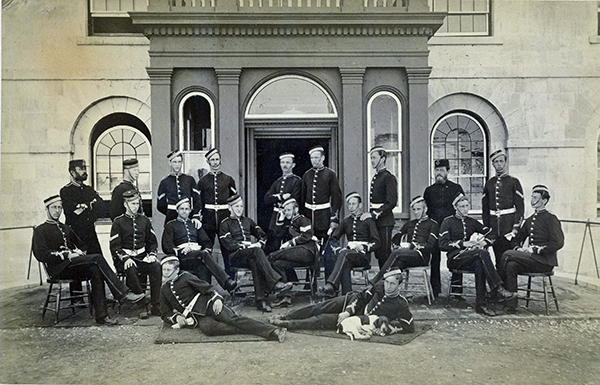
The “Old Eighteen” – RMC’s First Class (Many Served in WWI)
- Alfred George Godfrey Wurtele
- Harry Cortlandt Freer
- Henry Ellison Wise
- William Mahlon Davis
- Thomas Laurence Reed
- Septimus Julius Augustus Denison
- Lukin Homphrey Irving
- Frederick Davis
- Charles Albert DesBrisay
- Victor Brereton Rivers
- James Spelman
- Charles Oliver Fairbank
- Aylesworth Bowen Perry
- John Bray Cochrane
- Francis Joseph Dixon
- George Edwin Perley
- Harold Waldruf Keefer
- Duncan MacPherson
Additional Context
- When the First Canadian Division went overseas, 22% of its commanders and staff officers were RMC ex-cadets, and by the Armistice, the percentage of RMC ex-cadets among the whole Canadian Expeditionary Force was 23%. Over 10% of ex-cadets serving were killed in action.
Sources for Further Research