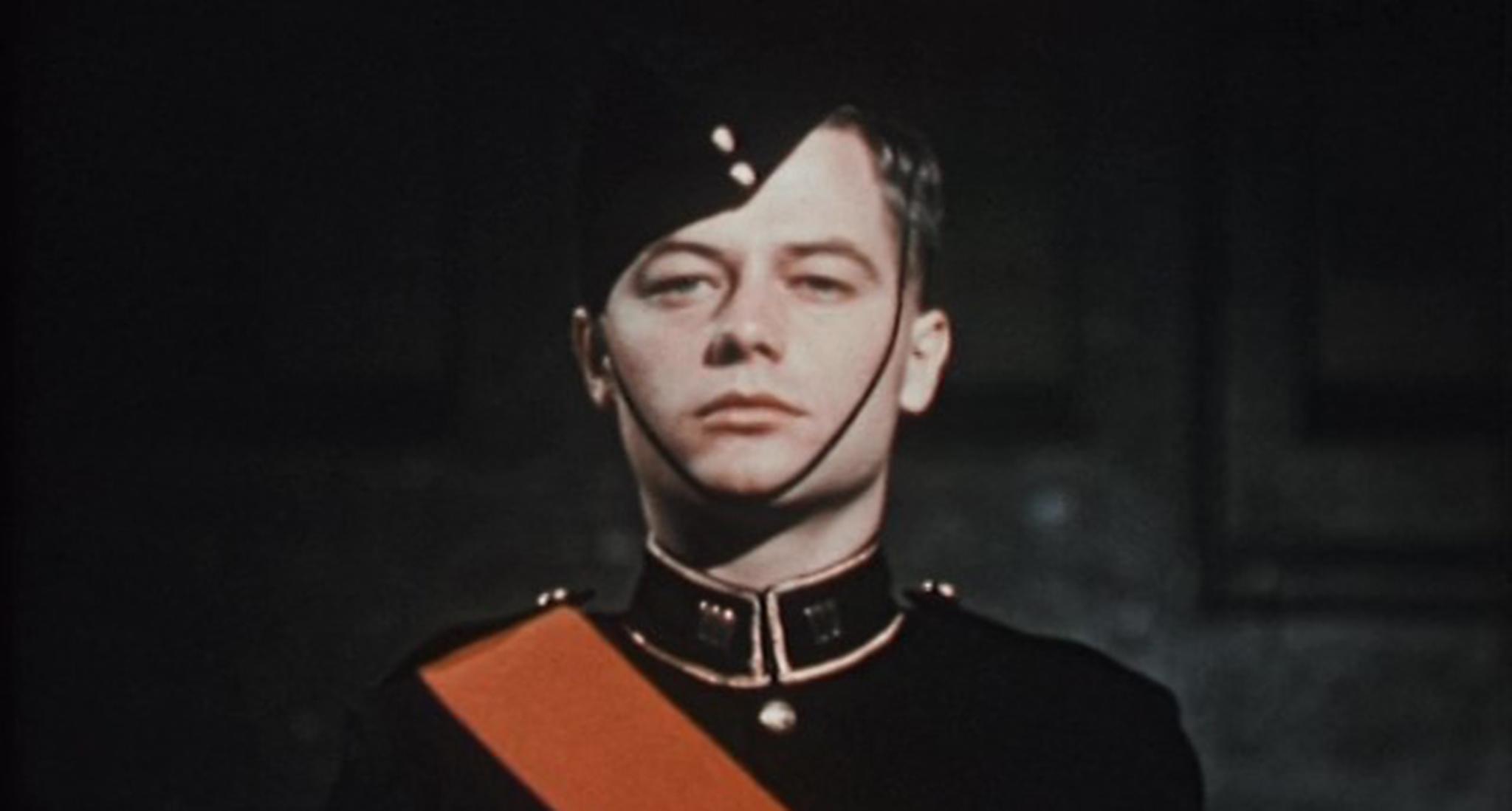
The story of Canada’s military colleges—Royal Military College (RMC) in Kingston, Royal Roads in Victoria, and Collegé Militaire Royal de St-Jean in Saint-Jean-sur-Richelieu—stands as a testament to tradition, excellence, and transformation. The documentary “Tomorrow’s Officers” (National Film Board of Canada, 1952) offers a rare glimpse into the rigorous training and education that shaped generations of leaders for the Canadian Navy, Army, and Air Force. Drawing from both the film and historical notes, we celebrate the enduring spirit and milestones of these institutions.
Leadership and Legacy
At the heart of RMC’s history stands Brigadier D.R. Agnew, Commandant from 1947 to 1952, whose leadership is immortalized in scenes of the Royal Visit and the graduation ceremony. Standing beside Brigadier Agnew during these pivotal moments is Lieutenant Colonel T.F. Gelley, the first Registrar of RMC from 1948 to 1963. Their presence underscores the continuity and dedication of the college’s senior staff. The documentary also features MND Brooke Claxton, whose vision transformed the Canadian Military Colleges (CMCs) into tri-service institutions, ensuring that officers were prepared for all branches of the armed forces.
Tradition and Excellence
The film captures the high standard of drill and discipline, with cadets smartly attired in brown gloves and No. 4 Order of Dress. Notably, the iconic Scarlet Dress was absent during this period and would not return to the colleges until 1959. The first scarlet tunic was modeled by RMC Cadet Wing Commander Paul Manson in 1956, marking a revival of tradition. The Class of 1959, which began in September 1955, proudly wore their “scarlets” from their first year, a symbol of honor and belonging.
Faculty and Cadet Life
Faculty members, regarded as senior staff with status equivalent to officers, were respected and saluted by cadets—a practice that continued for many years. The documentary highlights the arrival of professors, with rooms called to attention and absentees reported and held accountable. Dr. Richard Preston, author of “Canada’s RMC,” is seen instructing at minute 5:56, exemplifying the caliber of educators who shaped the minds of future officers.
Innovation and Research
Advanced research was a hallmark of the colleges, as noted around minute 10:30 in the film. LCol King, Dean of Engineering, is recognized for designing and building Cordite and the RMC submarine, reflecting the innovative spirit fostered within these walls. Training exercises, such as the cloth model exercise of combined operations, prepared cadets for the complexities of modern warfare.
Character and Camaraderie
The documentary pays tribute to legendary figures like WOI J.E. Coggins, College Sergeant Major from 1947 to 1958. Renowned for his gymnastic prowess and memorable parade remarks—“Oive seen better and oive seen worse, but not much”—WOI Coggins embodied the character and camaraderie that defined cadet life. Cadets slept in hammocks at sea until the arrival of the St Laurent Class destroyers, forging resilience and adaptability.
Milestones and Memories
The film chronicles significant events, including the Royal Visit of 1951 and the graduation ceremony of 1952, with scenes set against the historic Mackenzie Building, adorned with vines. The building of the Bailey Bridge at minute 12 highlights the importance of Field Engineers and the practical skills instilled in cadets.
A Lasting Impact
The Canadian Services Colleges have long provided university education and service training to young men aspiring to serve in the active or reserve forces. The culmination of Cadet Leonard Bolger’s course—a full-dress military graduation ceremony at Kingston—symbolizes the journey from student to officer, ready to lead with integrity and purpose.
Watch the documentary “Tomorrow’s Officers” here: https://www.nfb.ca/film/tomorrows-officers/
This legacy continues to inspire, reminding us that tomorrow’s officers are shaped not only by tradition and discipline but by the enduring values of leadership, innovation, and service.