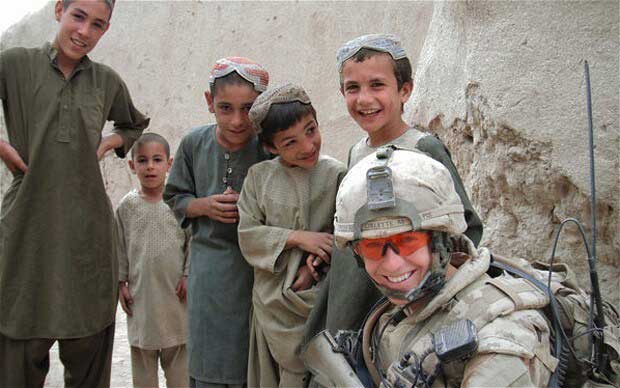
On International Women’s Day, we celebrated the women of the Canadian Armed Forces – past and present- whose service has strengthened Canada and reshaped the profession of arms. From early pioneers who proved their capability in the face of doubt, to today’s leaders commanding at every level, their story is one of courage, excellence, and steady, determined progress.
That progress began in earnest during the First World War, when women served as nurses close to the front lines, delivering lifesaving care under dangerous conditions. During the Second World War, women’s roles expanded dramatically through organizations such as the Canadian Women’s Army Corps, the Royal Canadian Air Force Women’s Division, and the Women’s Royal Canadian Naval Service demonstrating, beyond question, that skill, discipline, and commitment are not defined by gender.
In the decades that followed, women continued to push doors open, moving from separate corps into fully integrated service, expanding into a growing number of trades, and rising into positions of influence and command. Today, women serve across the CAF as operational leaders, fighter pilots, engineers, strategists, technicians, and mentors helping the institution evolve while upholding its highest standards.
Milestones that marked a changing CAF
While every career and contribution matters, certain moments stand out as powerful markers of change:
- 1965: Women are permitted to serve in the Canadian military outside of wartime service (with an initial ceiling).
- 1979: Canada’s military colleges open to female students, helping build a stronger pipeline of leaders.
- 1981: Captain Dee Brasseur, Captain Leah Mosher, and Captain Nora Bottomley become the first three women to serve as RCAF pilots, following the opening of the pilot classification to women in 1979. Second Lieutenant Inge Plug becomes the first female helicopter pilot and Lieutenant Karen McCrimmon becomes the first female air navigator.
- 1987: The Royal Canadian Air Force opens all positions to women. Colonel Sheila A. Hellstrom becomes the first woman serving as a Regular Force officer to be promoted to the rank of Brigadier-General.
- 1988: First female gunners in the Regular Force graduate from qualification training. Private Shannon Wills wins the Queens Medal for Champion Shot of the Reserve Forces. Today, the Queen’s medal winner for top shot in the Rangers receives the Captain Shannon Willis Trophy in her honour.
- 1989: Private Heather Erxleben becomes the first female Regular Force infantry soldier. Laraine Francis Orthlieb becomes first woman appointed to the rank of Commodore. Major Dee Brasseur and Major Jane Foster become the first two female CF-18 Hornet fighter pilots.
- 1991: The Gulf War is the first conflict in which Canadian women take part in combat. HMCS Nipigon becomes the first mixed gender warship to participate in NATO exercises. First female officers in combat arms graduate from artillery training.
- 1992: Corporal Marlene Shillingford becomes first woman to join Snowbirds team, serving as a technician. In 2006, now a Sergeant, she becomes the first female Crew Chief of the Canadian Forces’ Snowbirds.
- 1993: Lieutenant Leanne Crowe becomes first woman to qualify as clearance diving officer; subsequently first woman to become Officer Commanding of the Experimental Diving Unit.
- 1994: Wendy Clay becomes first woman promoted to Major General.
- 1995: Chief Warrant Officer Linda Smith becomes first woman named Wing Chief Warrant Officer at 17 Wing Winnipeg.
- 1997: Colonel Marcia Quinn assumes command of 41 Canadian Brigade Group. Colonel Patricia Samson appointed Canadian Forces Provost Marshall in charge of the Canadian Forces military police.
- 1998: Lieutenant Colonel Karen McCrimmon is appointed Commander of 429 Transport Squadron at CFB Trenton, becoming the first woman to command a Canadian Forces flying squadron. Chief Petty Officer 2nd Class Holly Kisbee becomes the first woman Combat Chief of a major warship.
- 2000: Major Micky Colton becomes first female Hercules pilot to complete 10,000 flying hours. Lieutenant Ruth Ann Shamuhn becomes the first female combat diver. The exception from the 1989 Canadian Human Rights Commission is removed, and women can now serve on submarines for the first time.
- 2002: – Chief Warrant Officer Camille Tkacz becomes the first woman appointed Command Chief position as Assistant Deputy Minister (Human Resources – Military).
- 2003: Major Anne Reiffenstein becomes the first female to command combat arms sub unit. Major Jennie Carignan becomes first female Deputy Commanding Officer of a combat arms unit. Leading Seaman Hayley John and Marketa Semik become first female non-commissioned clearance divers. Master Seaman Colleen Beattie becomes the first woman qualified as a submariner. First (and only) all-female Canadian Armed Forces team completes the Nijmegan March in Holland carrying same weight as male teams. Lieutenant Commander Marta Mulkins becomes the first woman to serve as a captain of a Canadian warship, HMCS Kingston.
- 2004: Chief Petty Officer 1st Class Jan Davis becomes first woman Coxswain of a major warship, HMCS Regina.
- 2006: Brigadier General Christine Whitecross becomes first female Joint Task Force Commander. Captain Nichola Goddard, 1st Regiment Royal Canadian Horse Artillery, was killed in Afghanistan on 17 May 2006. She is the first female CAF member killed during combat duty.
- 2007: Lieutenant Colonel Tammy Harris becomes the first woman to command an air force wing in Canada — 9 Wing in Newfoundland and Labrador. Commodore Jennifer Bennett becomes the first woman appointed Commander of the Naval Reserve; first female to command a Formation.
- 2009: Commander Josée Kurtz becomes the first woman to command a major warship, the HMCS Halifax.
- 2010: Lieutenant Colonel Susan Wigg becomes the first female Director of Cadets at Royal Military College. Lieutenant Colonel Maryse Carmichael becomes the first female Commanding Officer of the Snowbirds in its 40 year history. Major Eleanor Taylor, the first female to lead an infantry company in a combat zone, is deployed to Afghanistan.
- 2011: Brigadier General Chris Whitecross is one of two most senior ranked women in the Canadian Armed Forces; deployed to Afghanistan until end of June 2011. Jennifer Bennett is promoted to rear-admiral, becoming the first woman to achieve that rank in the Royal Canadian Navy.
- 2012: Captain Ashley Collette receives the Medal of Military Valour for her actions in Afghanistan. She is the first female Canadian soldier to receive this honour.
- 2013: Colonel Jennie Carignan is the first female Commandant of the Royal Military College Saint-Jean in Quebec.
- 2015: Brigadier-General Lise Bourgon is commander of a Joint Task Force overseas mission (Operation Impact in Iraq). She is the first woman to hold this position.
- 2017: The Government of Canada announces the Elsie Initiative for Women in Peace Operations during a UN conference in Vancouver. Its goal is to help the participation of women in UN peace operations. It was named in honour of Elsie MacGill.
- 2020: Lieutenant-Colonel Riel “Guns” Erickson assumes command of No. 2 Canadian Forces Flying Training School in Moose Jaw, Saskatchewan.
- 2021: Rear Admiral Josee Kurtz becomes the first woman Commandant of the Royal Military College in Kingston, Ontario.
- 2022: Rear-Admiral (Retd) The Honourable Rebecca Patterson is the first woman Veteran appointed to the Senate of Canada.
- 2023: There are now 12 women who hold the rank of general or admiral within the Canadian Armed Forces.
- 2024: General M.A.J. “Jennie” Carignan becomes the first woman appointed Chief of the Defence Staff.
Many of these breakthroughs were powered by women whose leadership was forged through Canada’s military education system, including graduates of the Canadian Military Colleges (CMCs). Their achievements reflect both personal determination and a broader institutional shift, one that continues as we work to ensure every member can serve, belong, and lead with dignity and pride.
Today, we honour the women who served before, celebrate those who serve now, and cheer on those who will lead next.