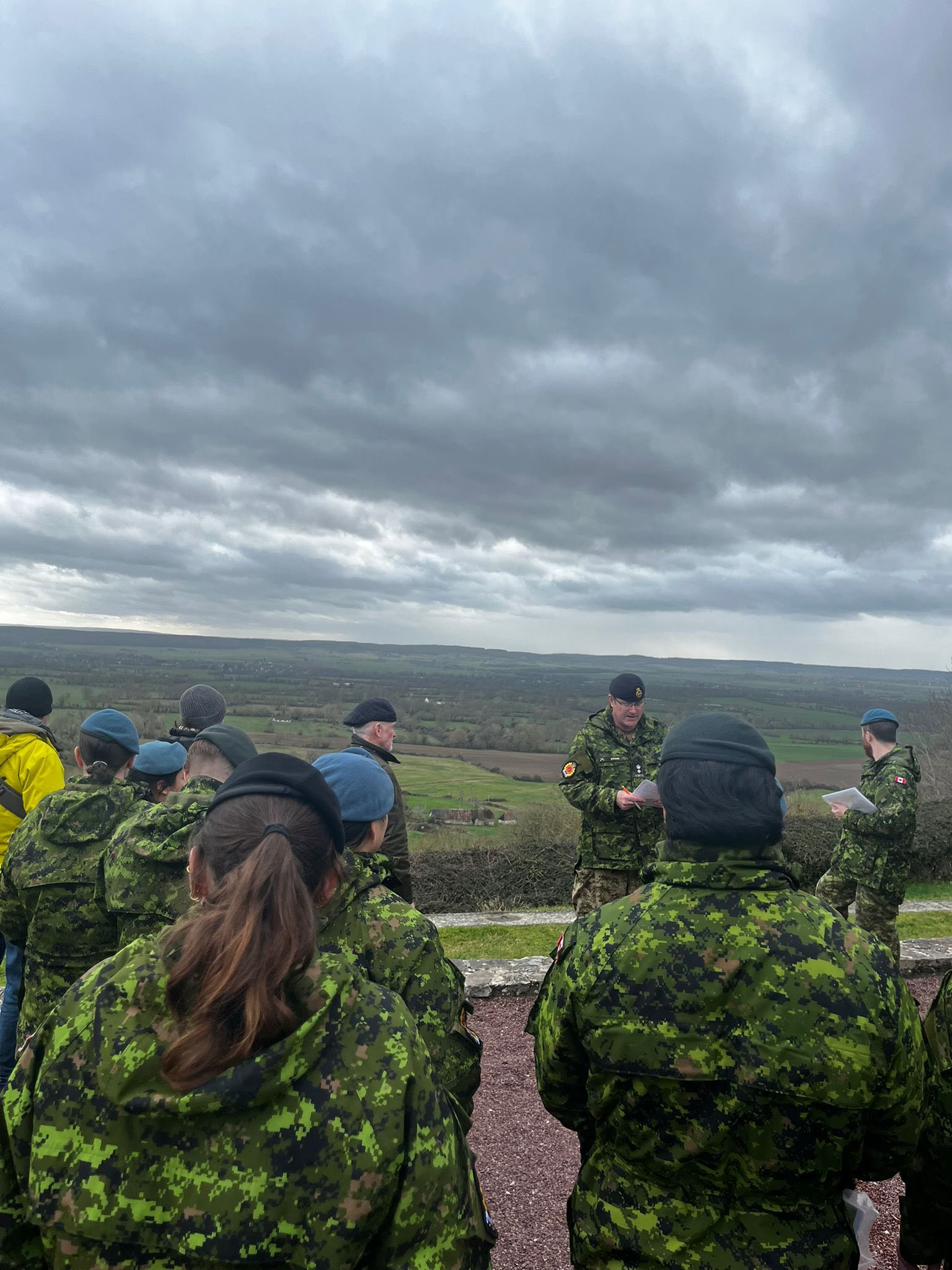
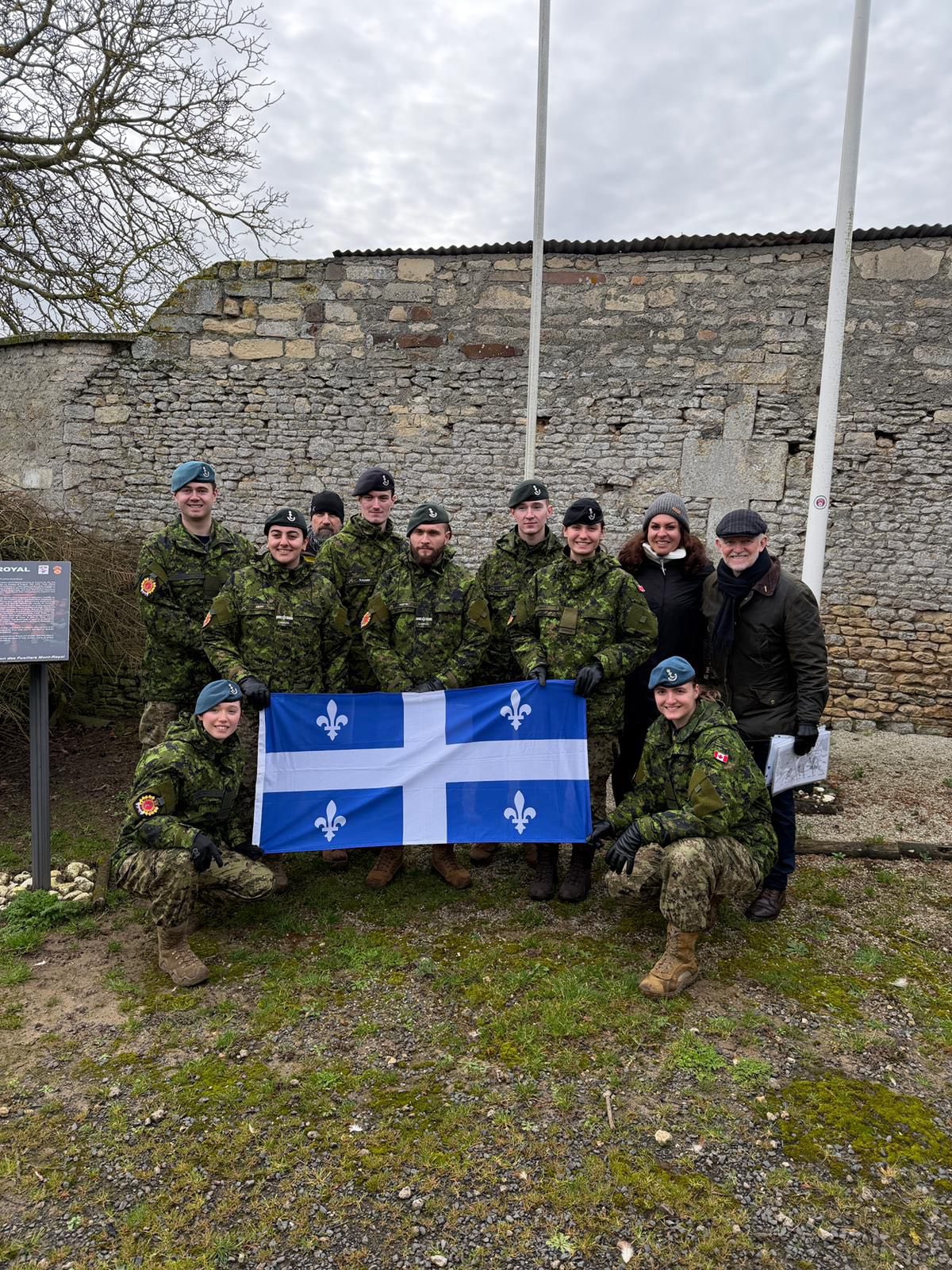
The Mottershead Battlefield Tour is an educational journey designed to immerse students in the history and significance of key battlefields across Europe. Conceived by Ian and Rosemary Mottershead, the tour was inspired by their passion for history and commitment to helping young people understand the past through firsthand experience. Their vision was to create a meaningful program that would bring history to life beyond textbooks, allowing students to walk in the footsteps of those who shaped world events.
For students, the Mottershead Battlefield Tour is much more than a sightseeing trip. It offers a unique opportunity for reflection and learning, fostering a deeper appreciation for the sacrifices made during times of conflict. By visiting memorials, cemeteries, and historic sites, students gain invaluable insights into the complexities of war and the importance of remembrance. The tour encourages empathy, critical thinking, and a personal connection to history, making it a significant and memorable experience for all who participate.
Below are updates from the RMC History Department on the trip:
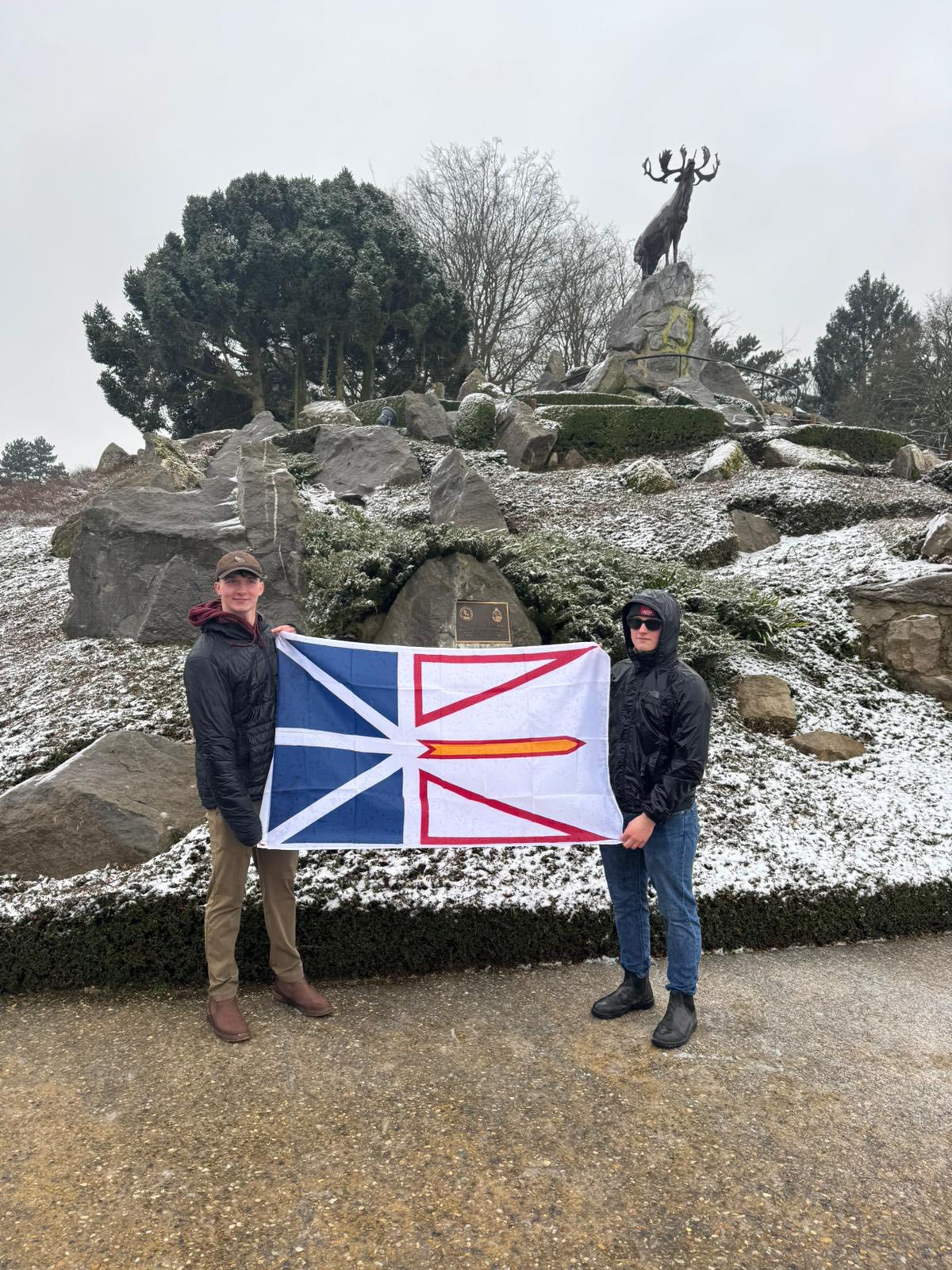
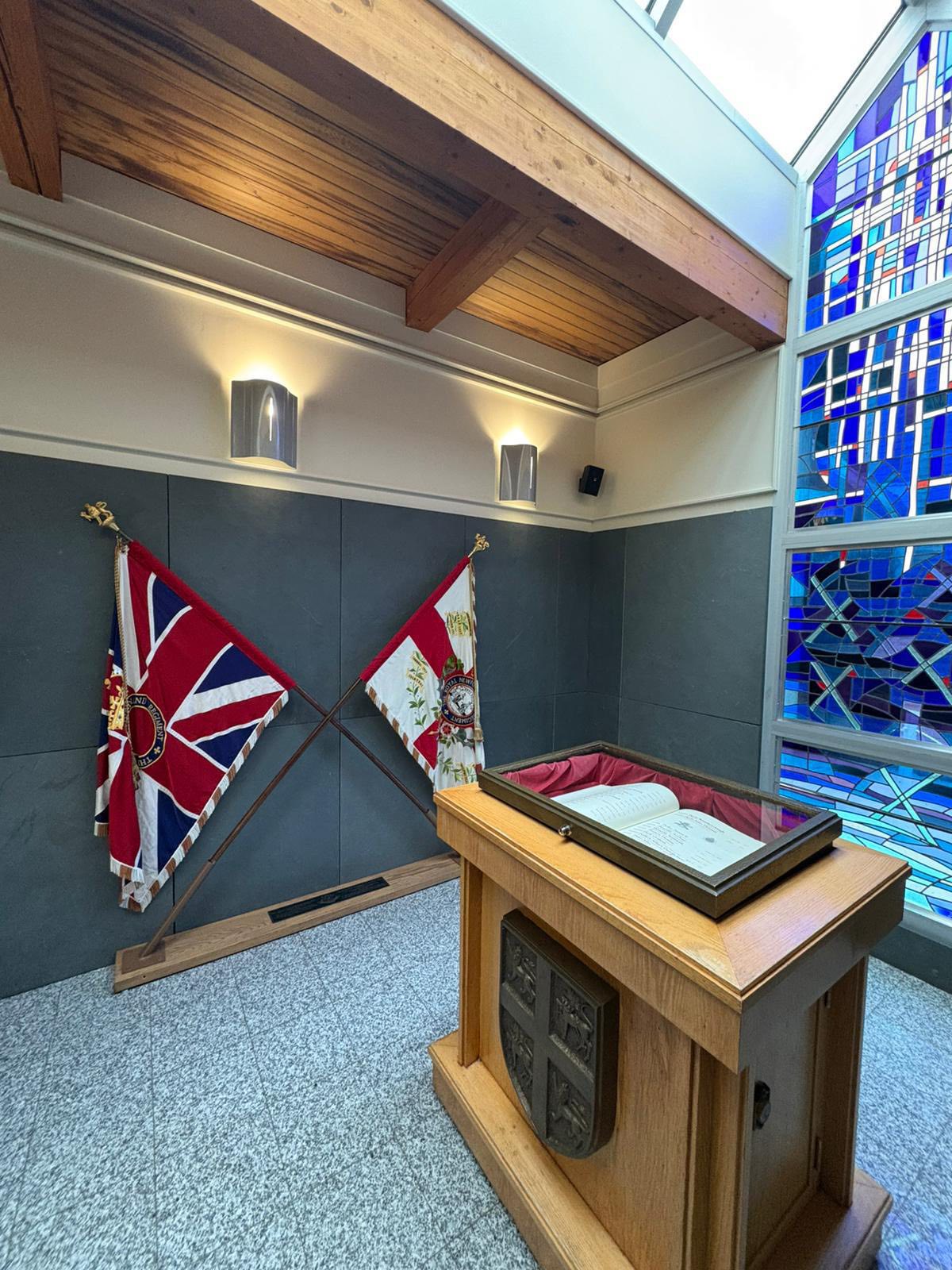
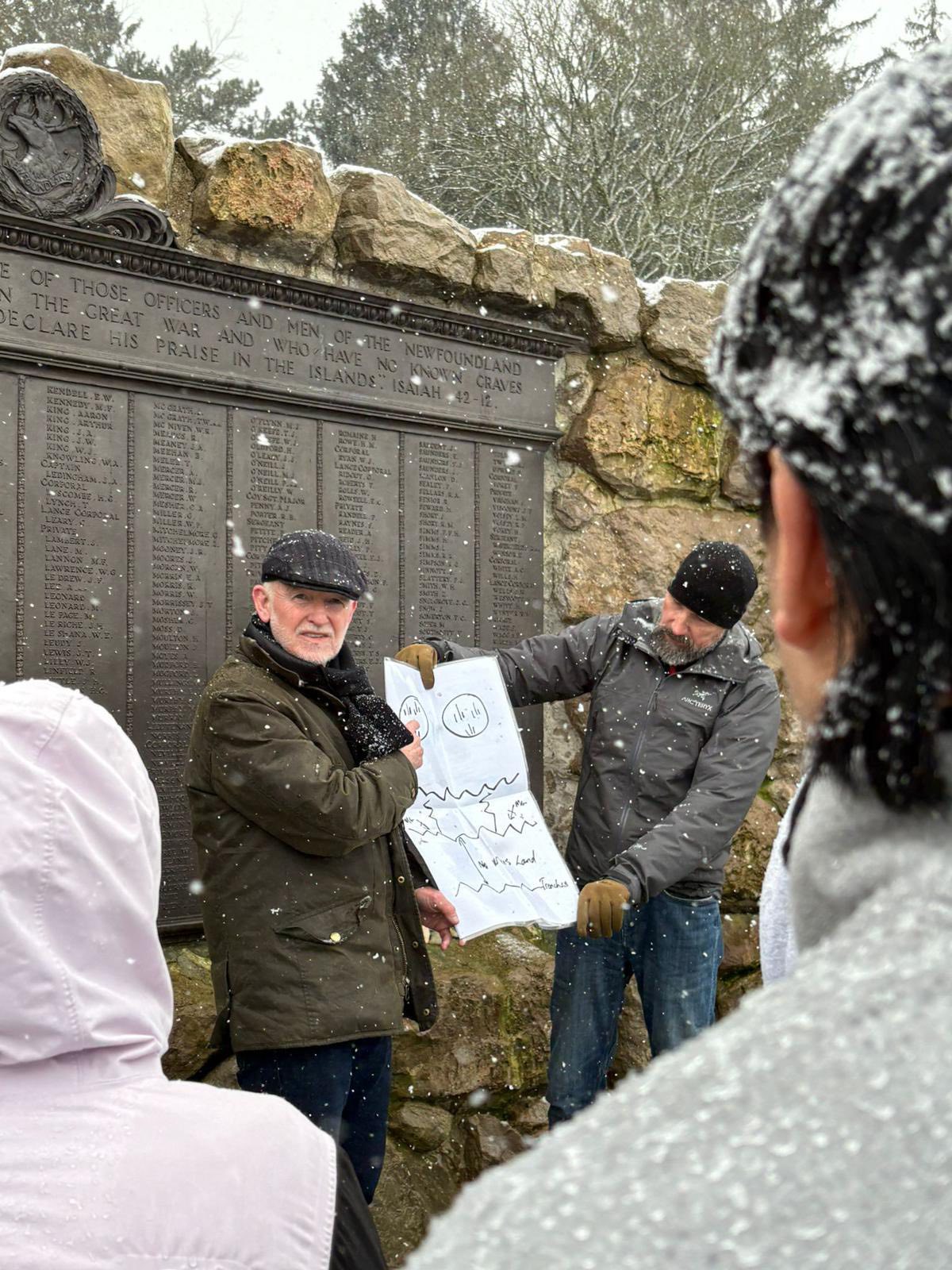
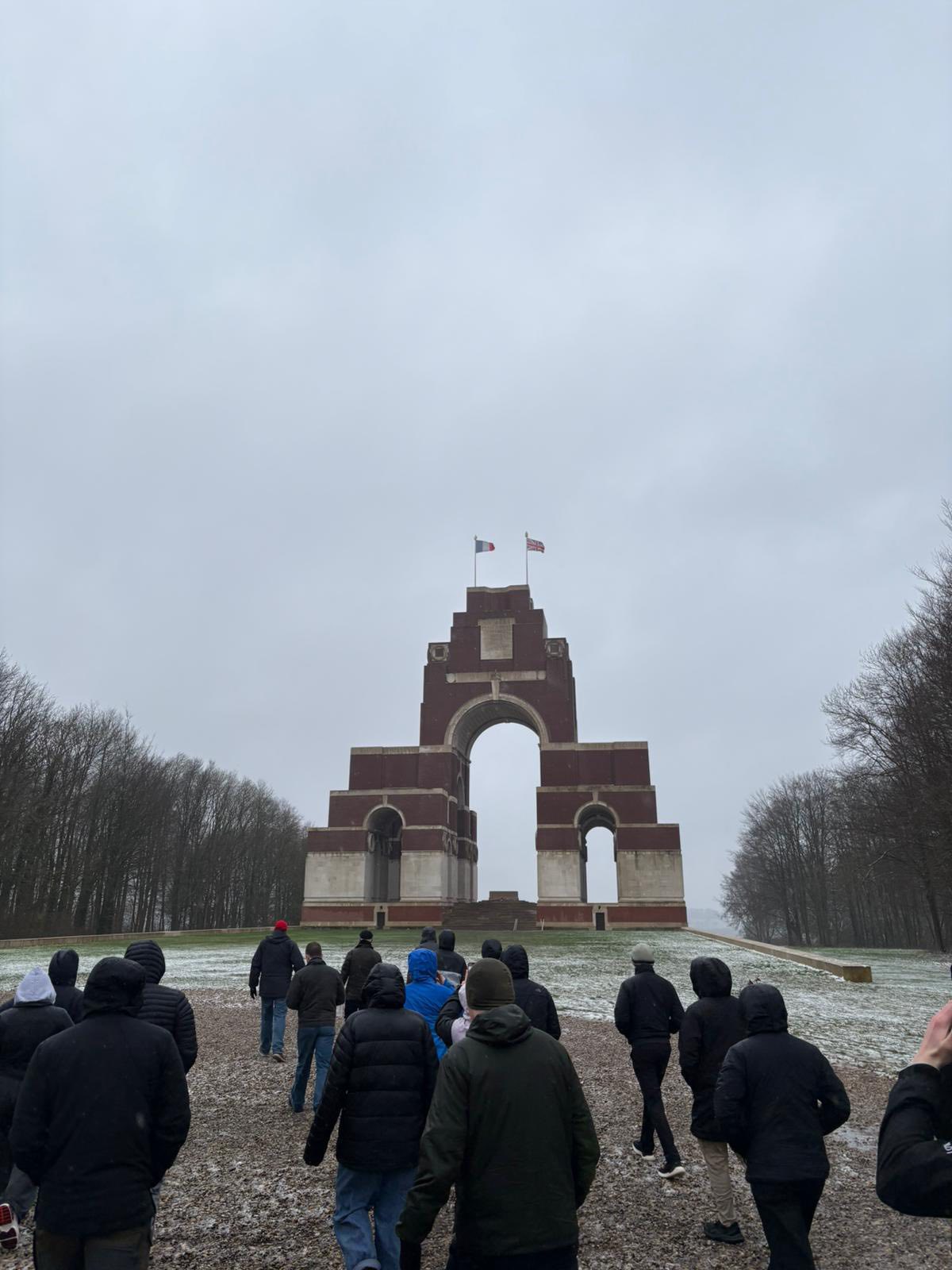
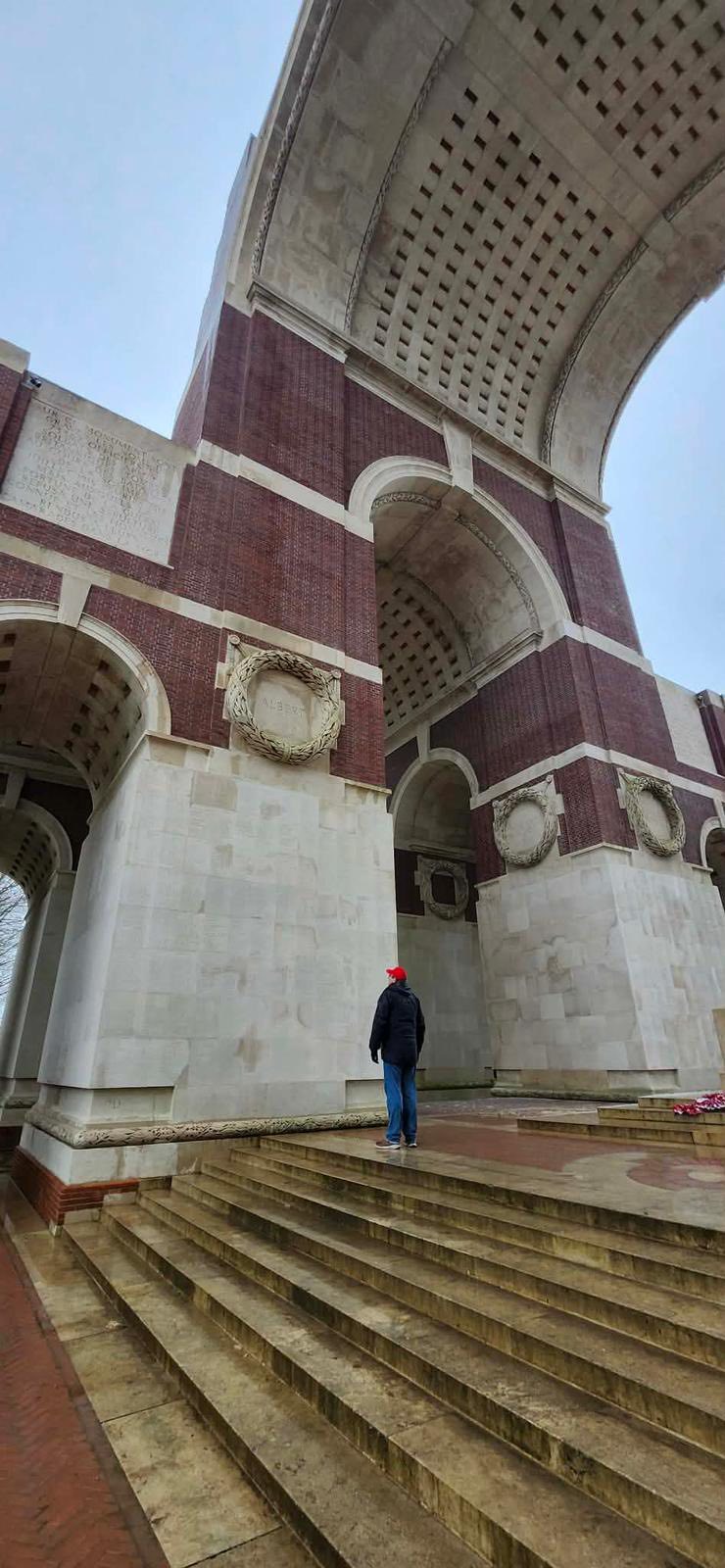
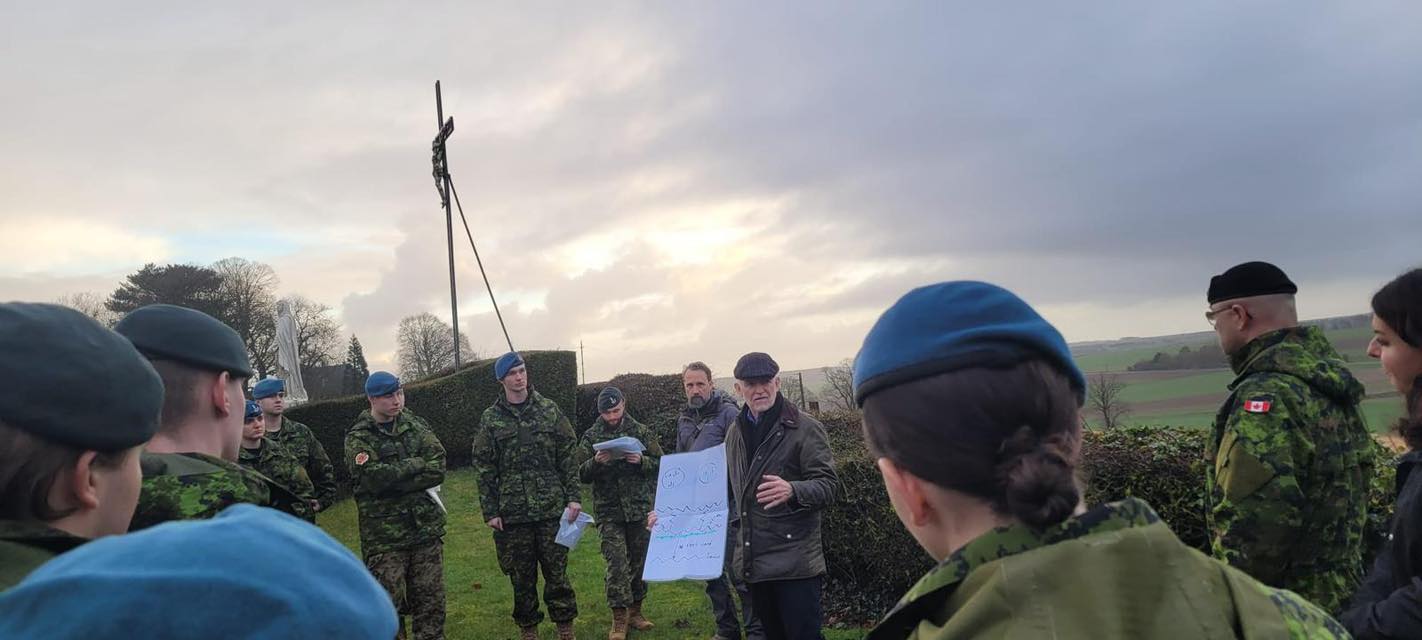
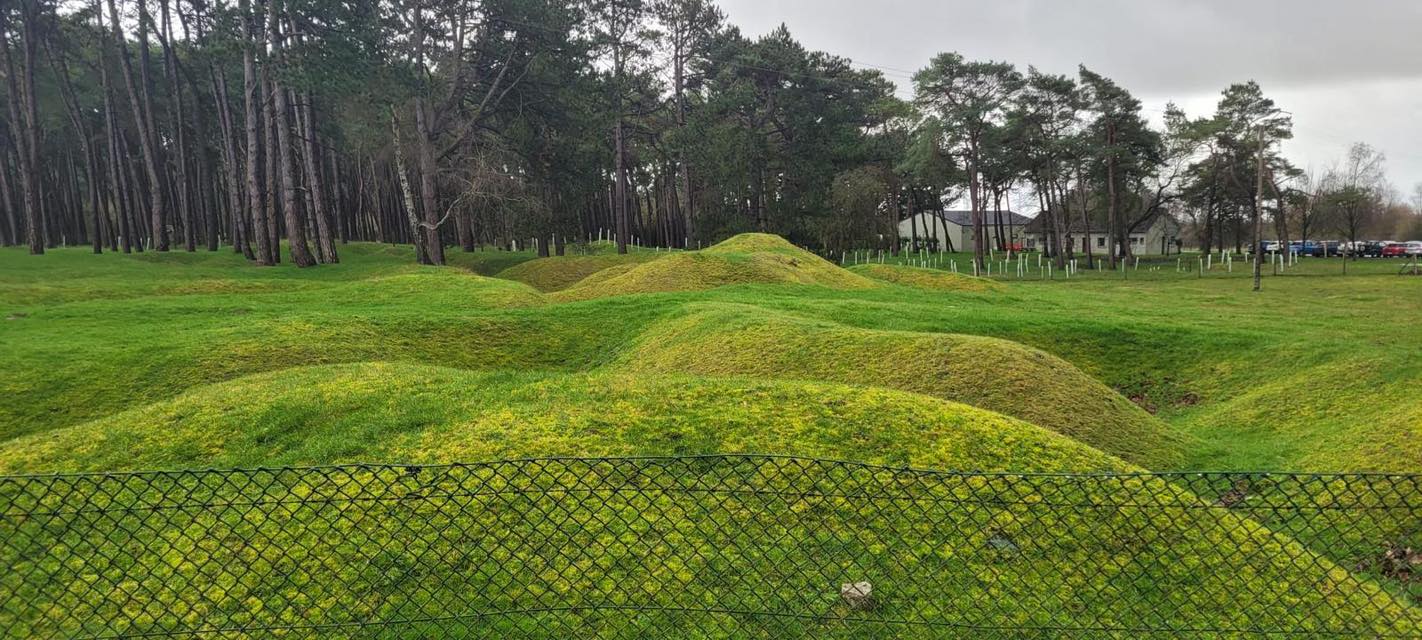
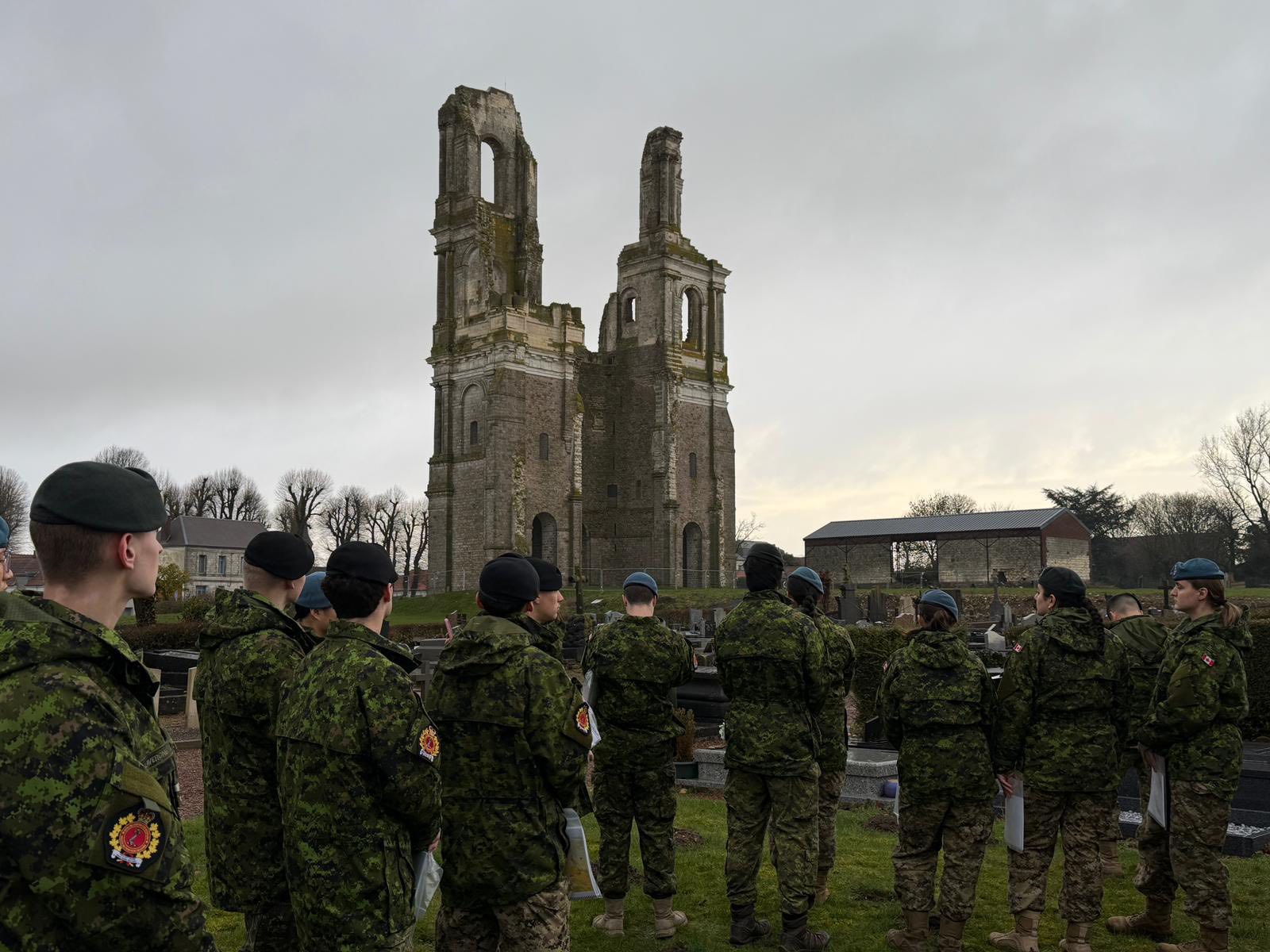
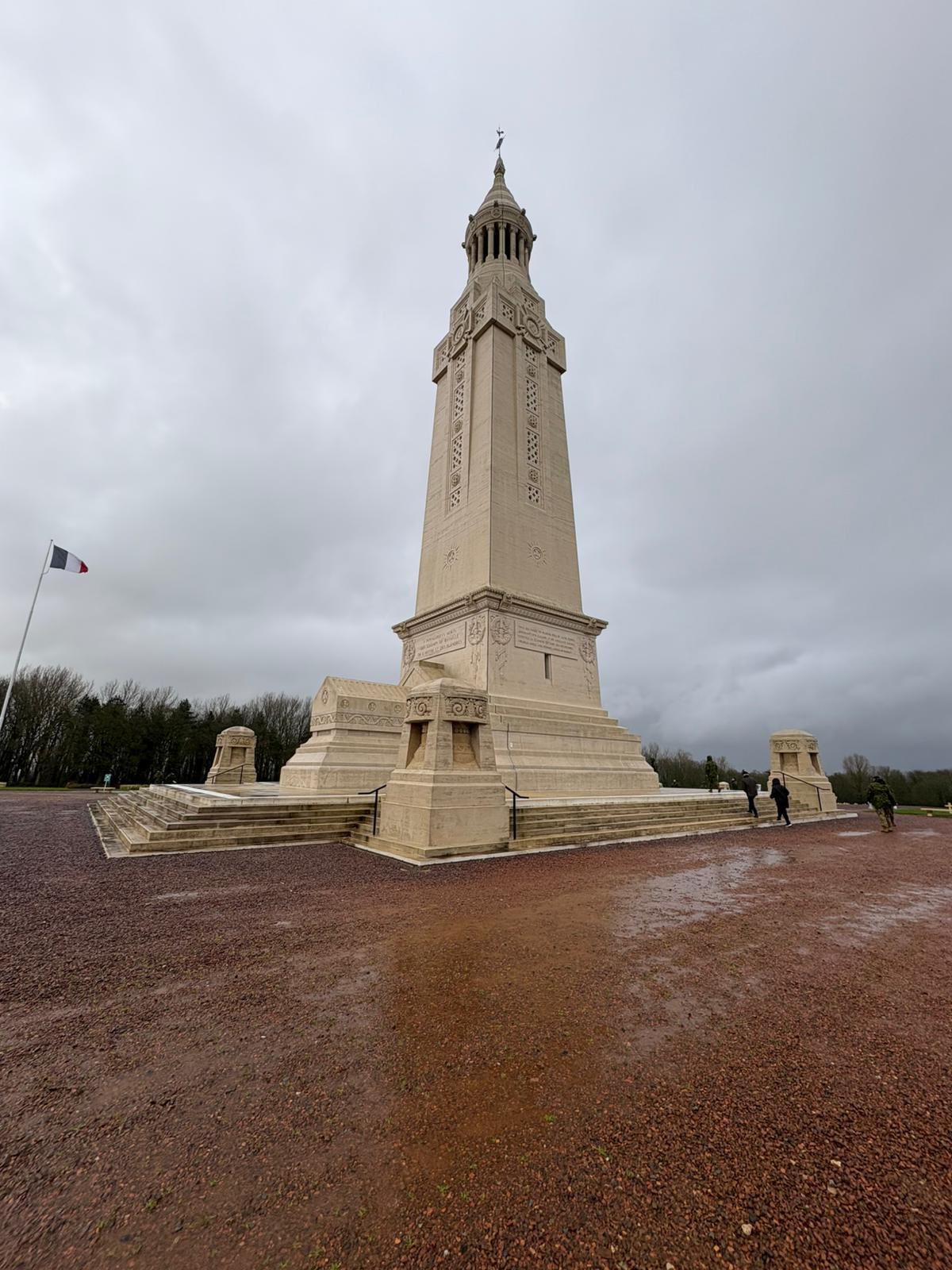
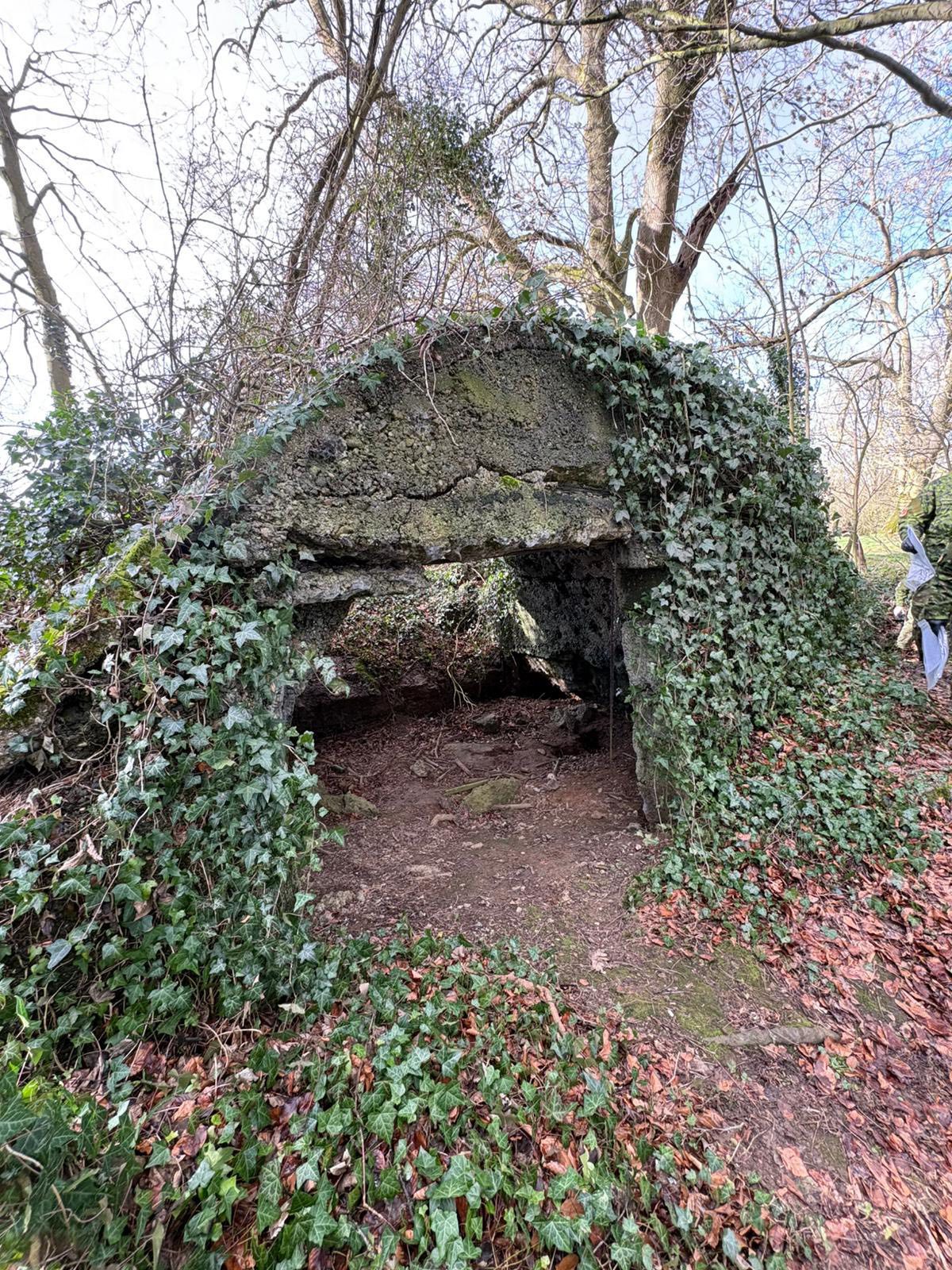
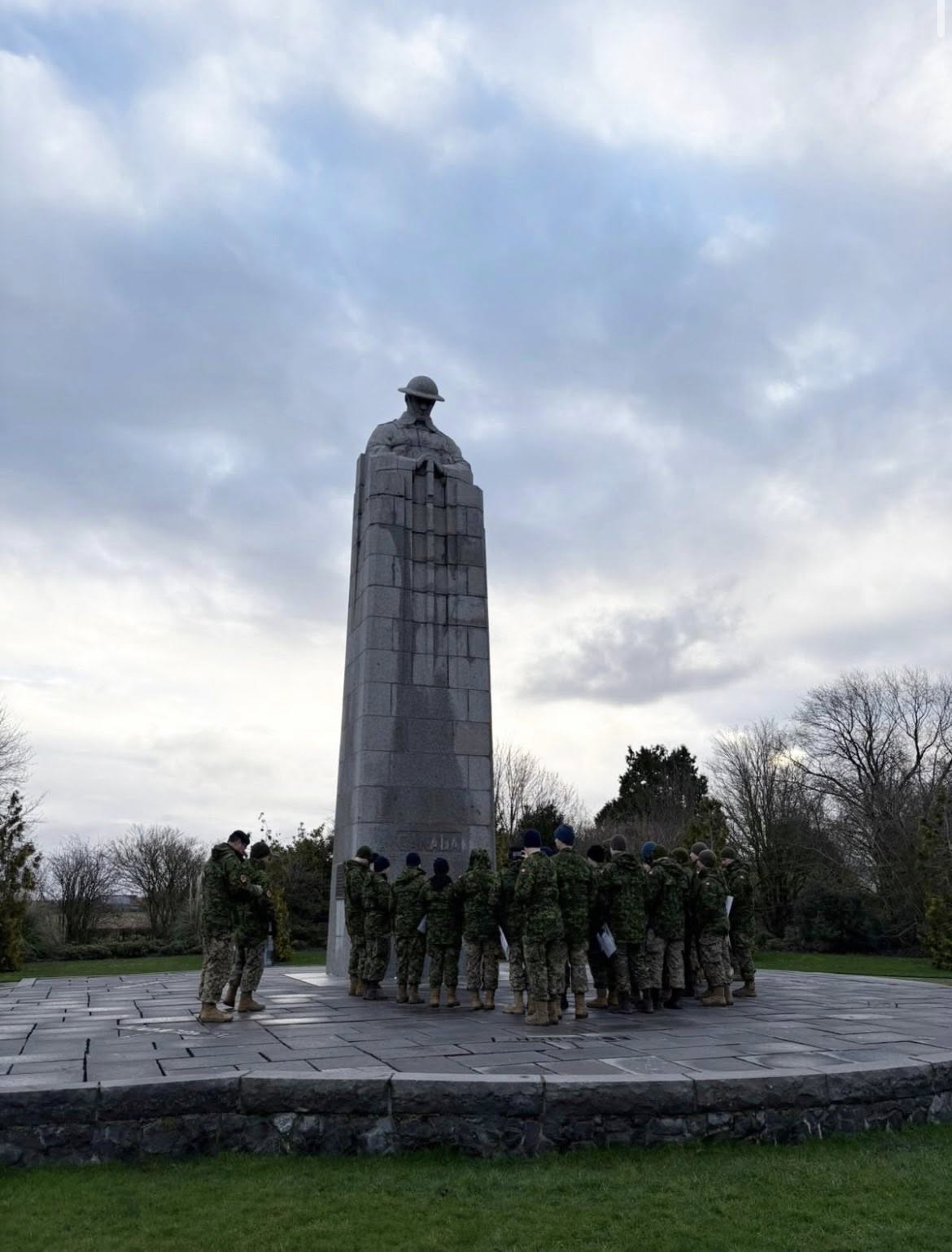
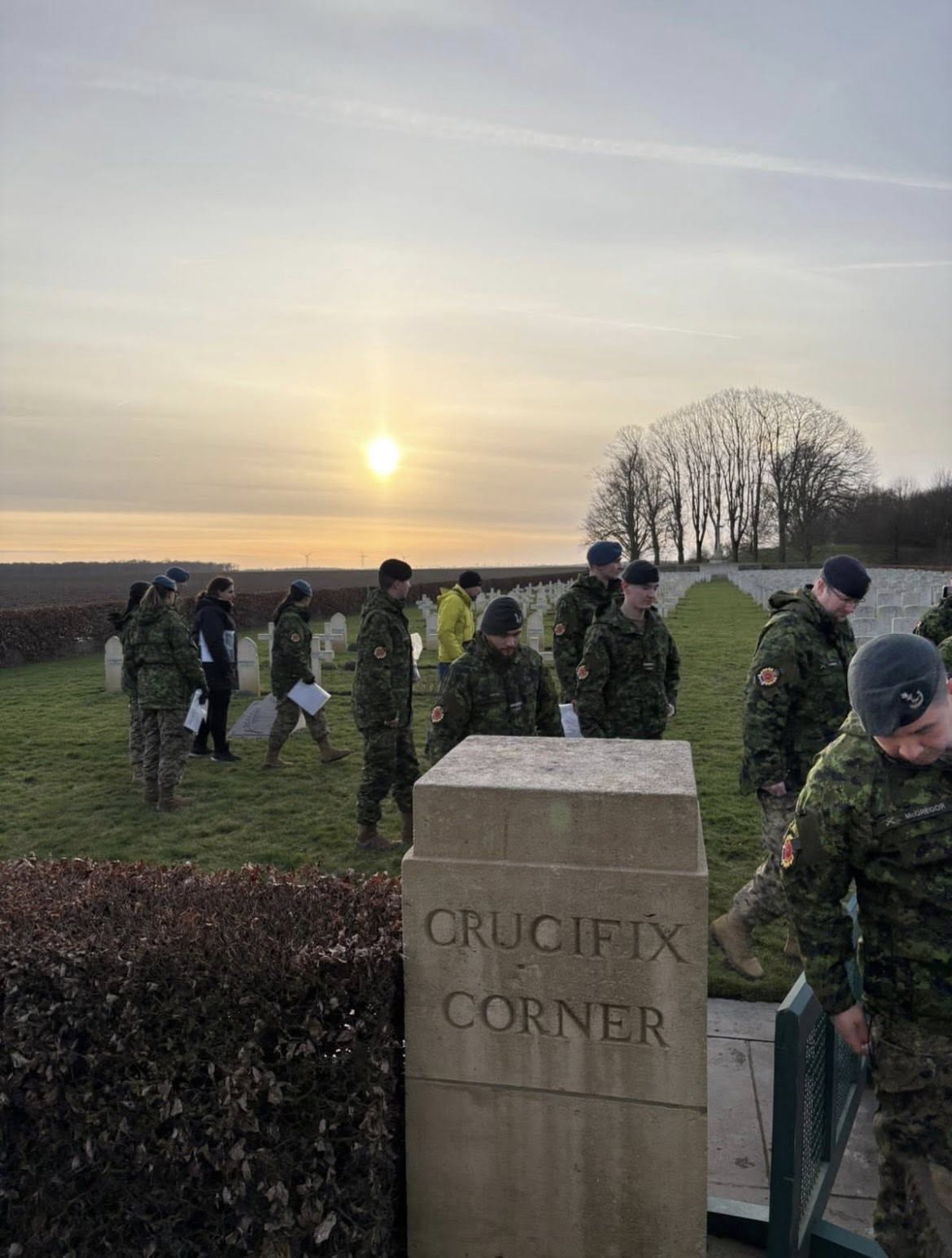
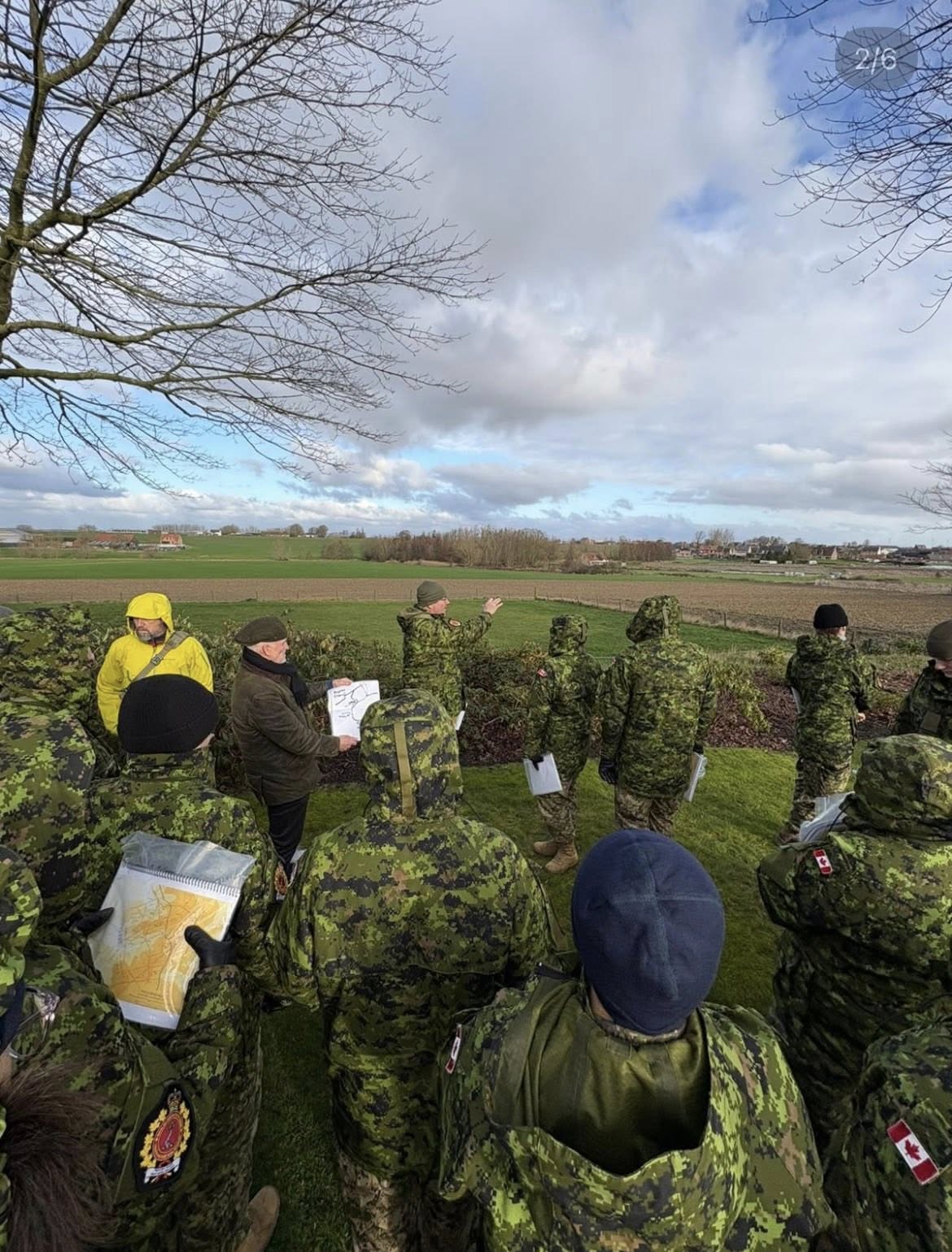
RMC students and staff have officially arrived in France to begin the 2026 Mottershead Battlefields Tour, marking the start of an incredibly meaningful winter reading week. Today, the cadets explored historic First World War sites including Beaumont-Hamel, Thiepval, Pozières, and Courcelette. Guided by knowledgeable faculty, they gained powerful first-hand insight into the battles that shaped these landscapes and the enduring legacy of those who fought there, particularly the vital contributions made by Canadian soldiers. Despite the winter chill, the experience has already left a lasting impression on the RMC cadets, and there is great anticipation for what the coming days will bring. #MBFT2026 #RMCalumni
Les étudiants et le personnel du CMR sont officiellement arrivés en France pour entamer l’édition 2026 de la Visite des champs de bataille Mottershead, marquant le début d’une semaine de lecture hivernale particulièrement significative. Aujourd’hui, les élèves-officiers ont exploré des sites emblématiques de la Première Guerre mondiale, notamment Beaumont-Hamel, Thiepval, Pozières et Courcelette. Accompagnés de professeurs chevronnés, ils ont acquis une compréhension approfondie et concrète des batailles qui ont façonné ces paysages en plus de l’héritage durable de ceux qui y ont combattu, en soulignant tout particulièrement les contributions essentielles des soldats canadiens. Malgré le froid hivernal, cette expérience a déjà profondément marqué les élèves-officiers du CMR, qui attendent avec beaucoup d’enthousiasme les découvertes des prochains jours. #MBFT2026 #RMCalumni #VCBM2026
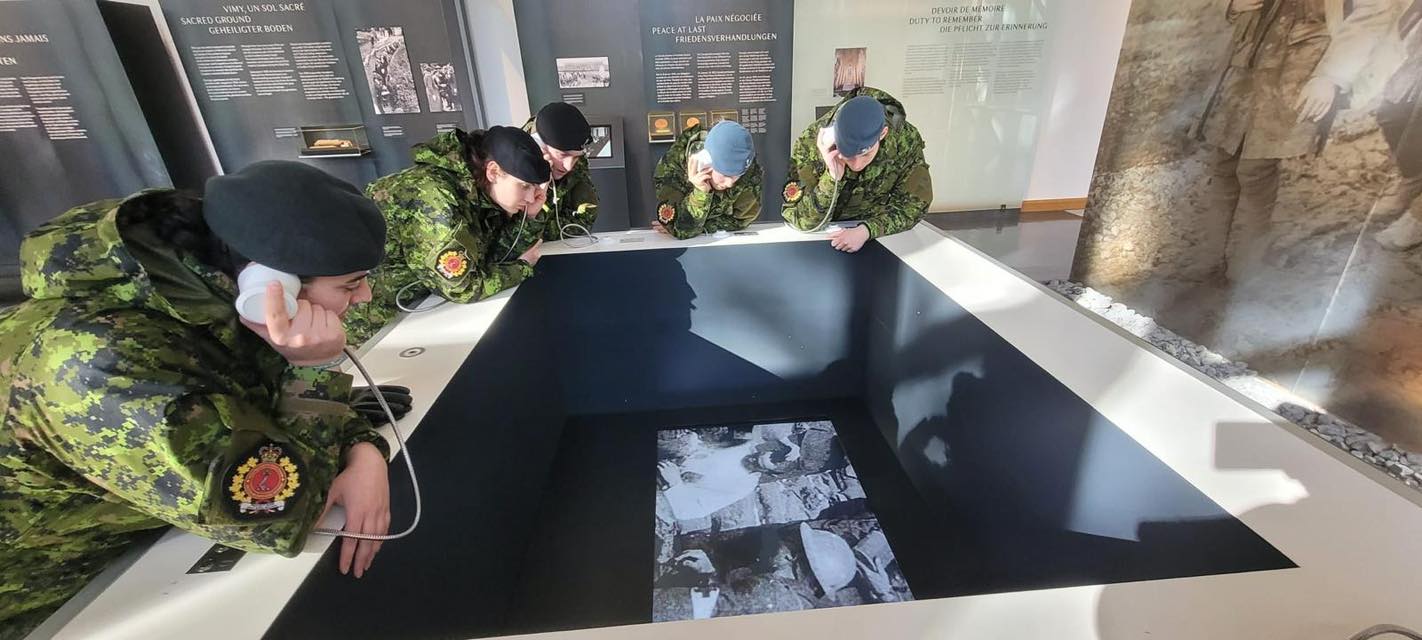
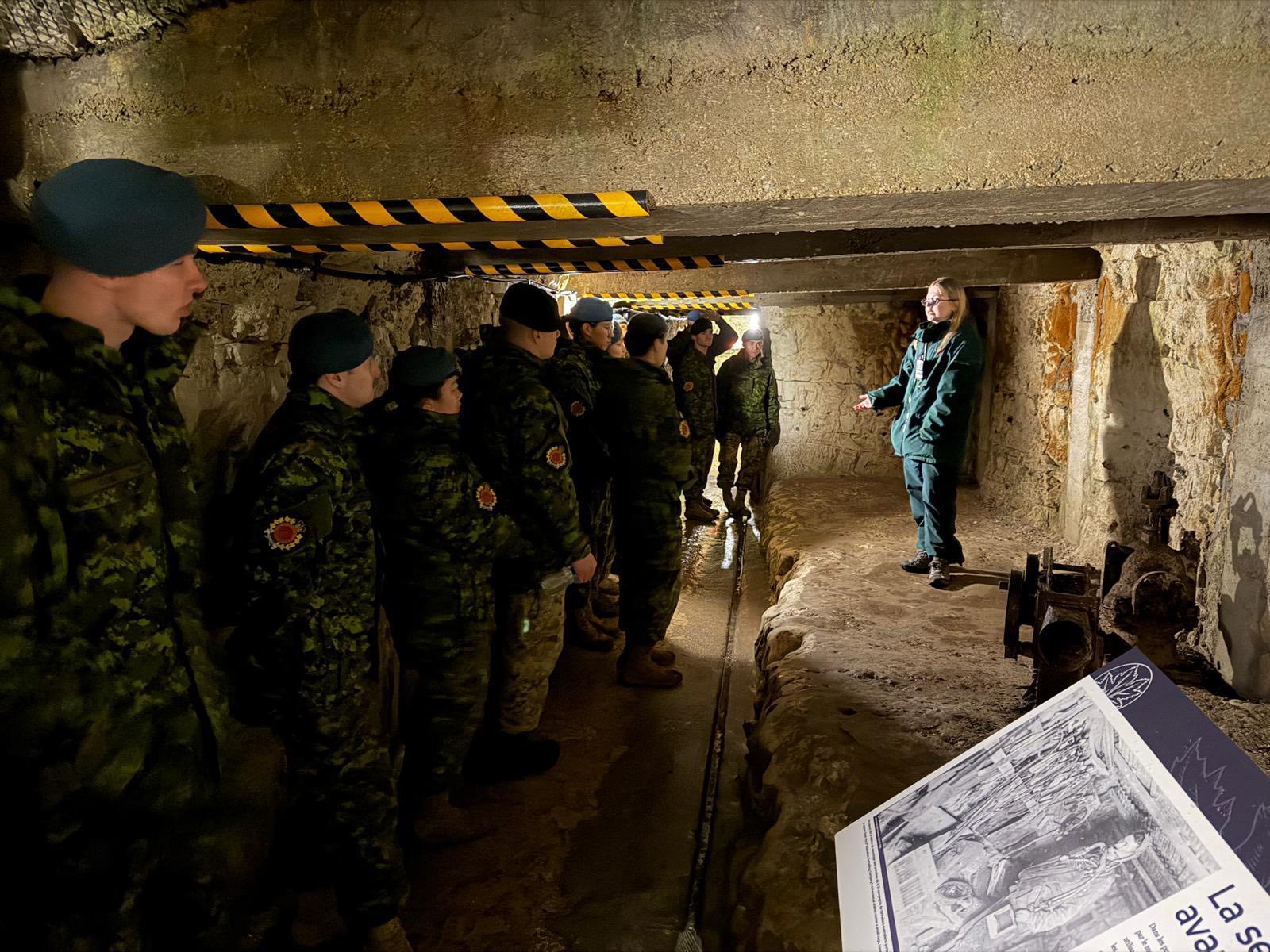
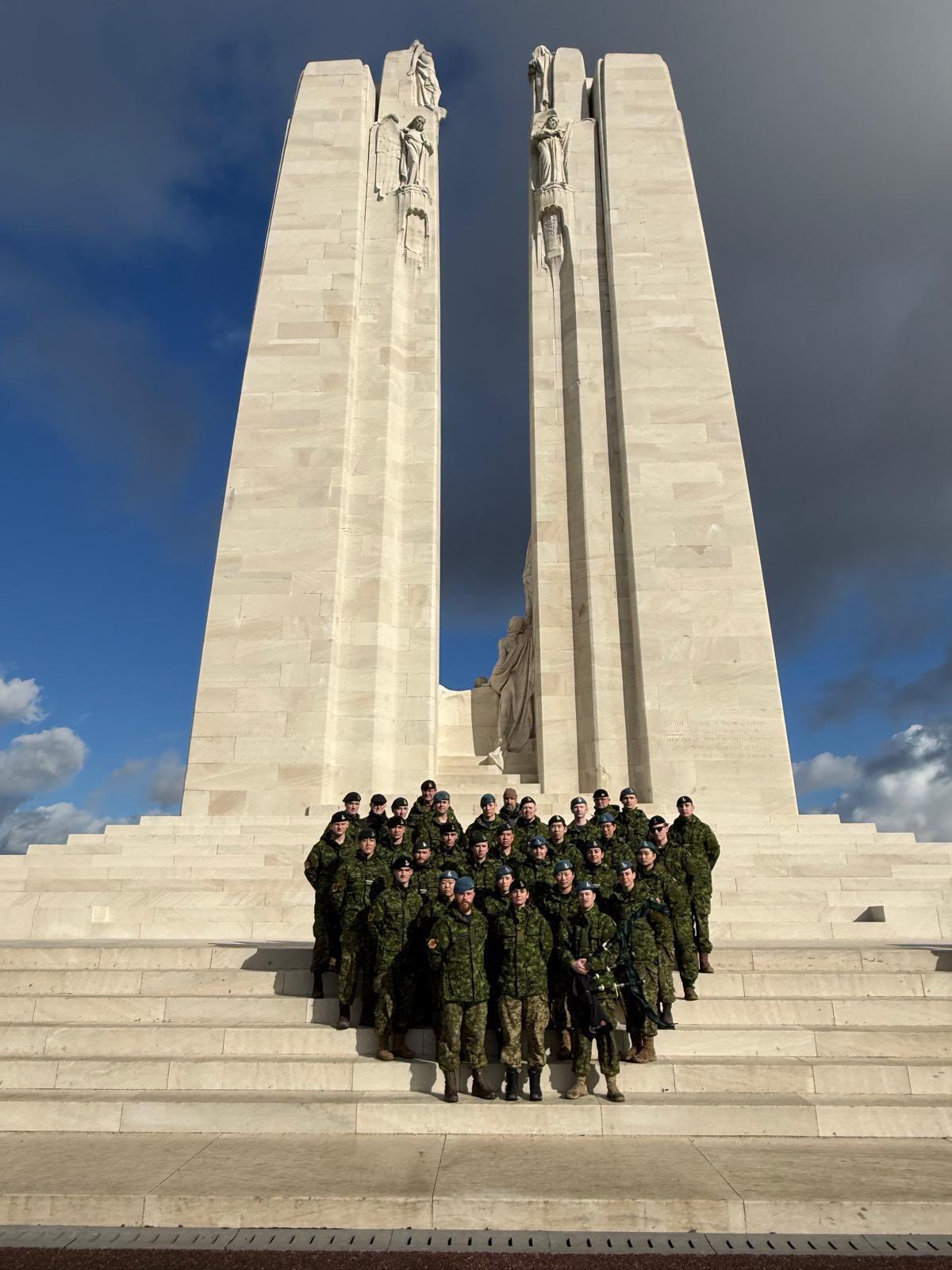
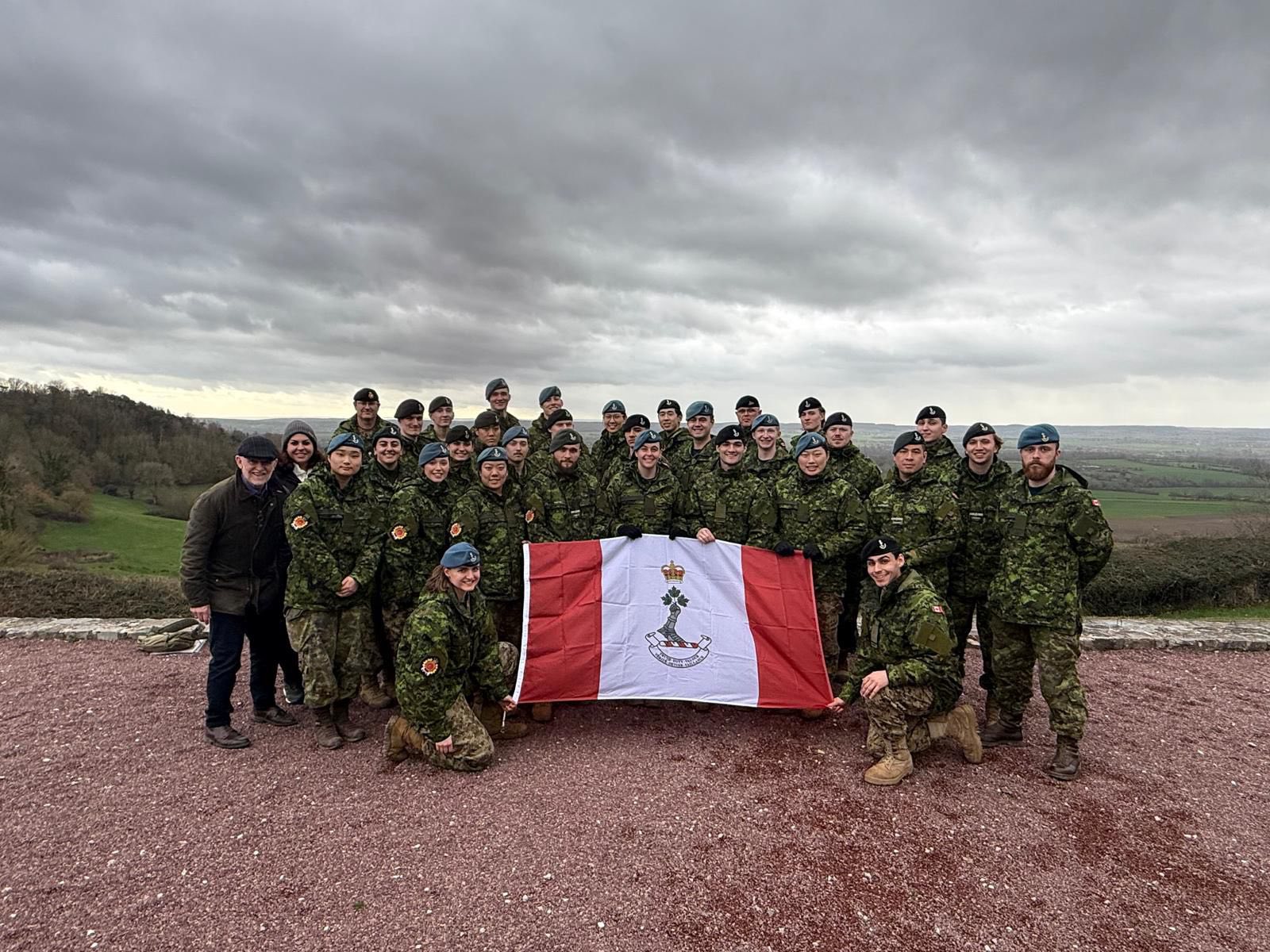
On Monday, 16 February, Officer Cadets from the Royal Military College of Canada conducted a battlefield study in the Vimy sector. They examined key sites including Mont Saint-Éloi, the Vimy Memorial, Hill 145, the Duffield Craters, and German locations at Farbus and Neuville-Saint-Vaast, analyzing the planning and sacrifice behind the Canadian Corps’ success in April 1917.
In the evening, the cadets participated in the Menin Gate Ceremony in Ypres, where they laid a wreath and paid their respects to the fallen, honouring those with no known grave and reaffirming their commitment to remembrance.
Le lundi 16 février, des élèves-officiers du Collège militaire royal du Canada ont mené une étude du champ de bataille dans le secteur de Vimy. Ils ont parcouru des lieux emblématiques tels que le mont Saint-Éloi, le Mémorial de Vimy, la cote 145, les cratères Duffield ainsi que les positions allemandes de Farbus et de Neuville-Saint-Vaast, afin de mieux comprendre la préparation et les sacrifices qui ont mené au succès du Corps canadien en avril 1917. En soirée, ils ont assisté à la cérémonie de la Porte de Menin à Ypres, où ils ont déposé une couronne en hommage aux soldats tombés au combat, saluant la mémoire de ceux qui n’ont pas de sépulture connue et réaffirmant leur devoir de mémoire.
On Tuesday, February 17, Officer Cadets from the Royal Military College of Canada continued their study of the First World War in the Ypres Salient. At Essex Farm, they reflected on the legacy of “In Flanders Fields” before examining the impact of the 1915 gas attacks at Saint-Julien and the difficult fighting at Passchendaele.
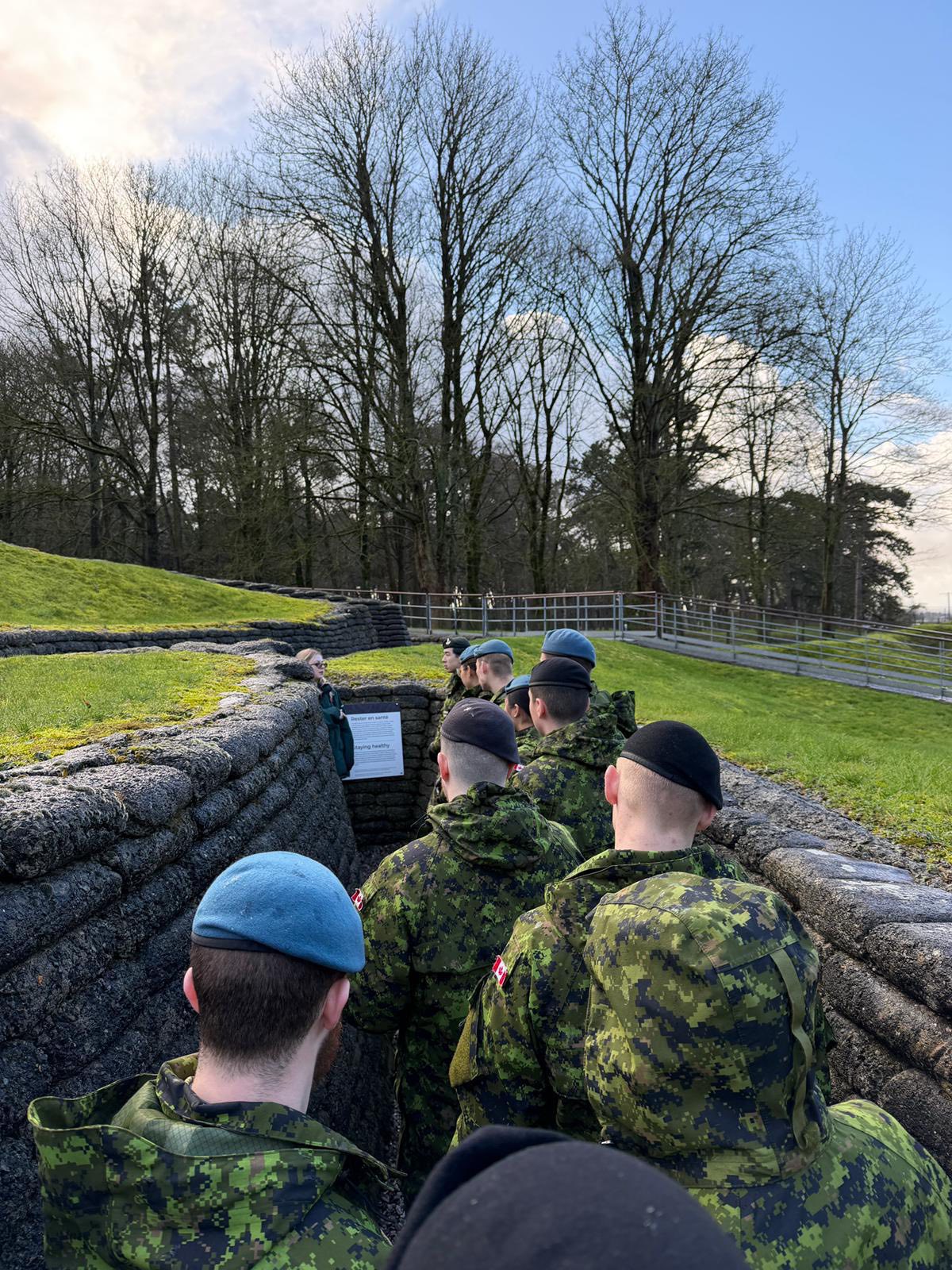
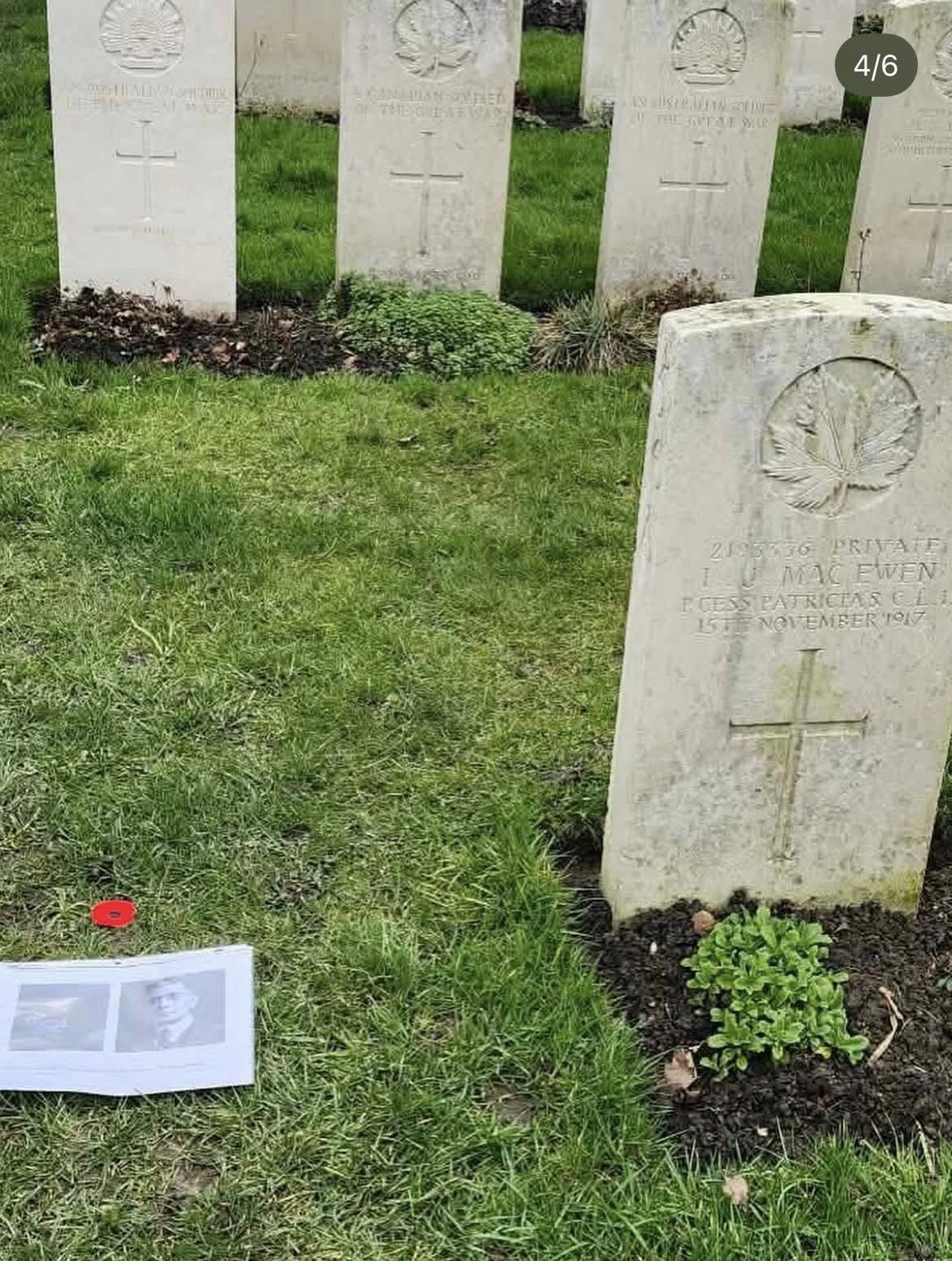
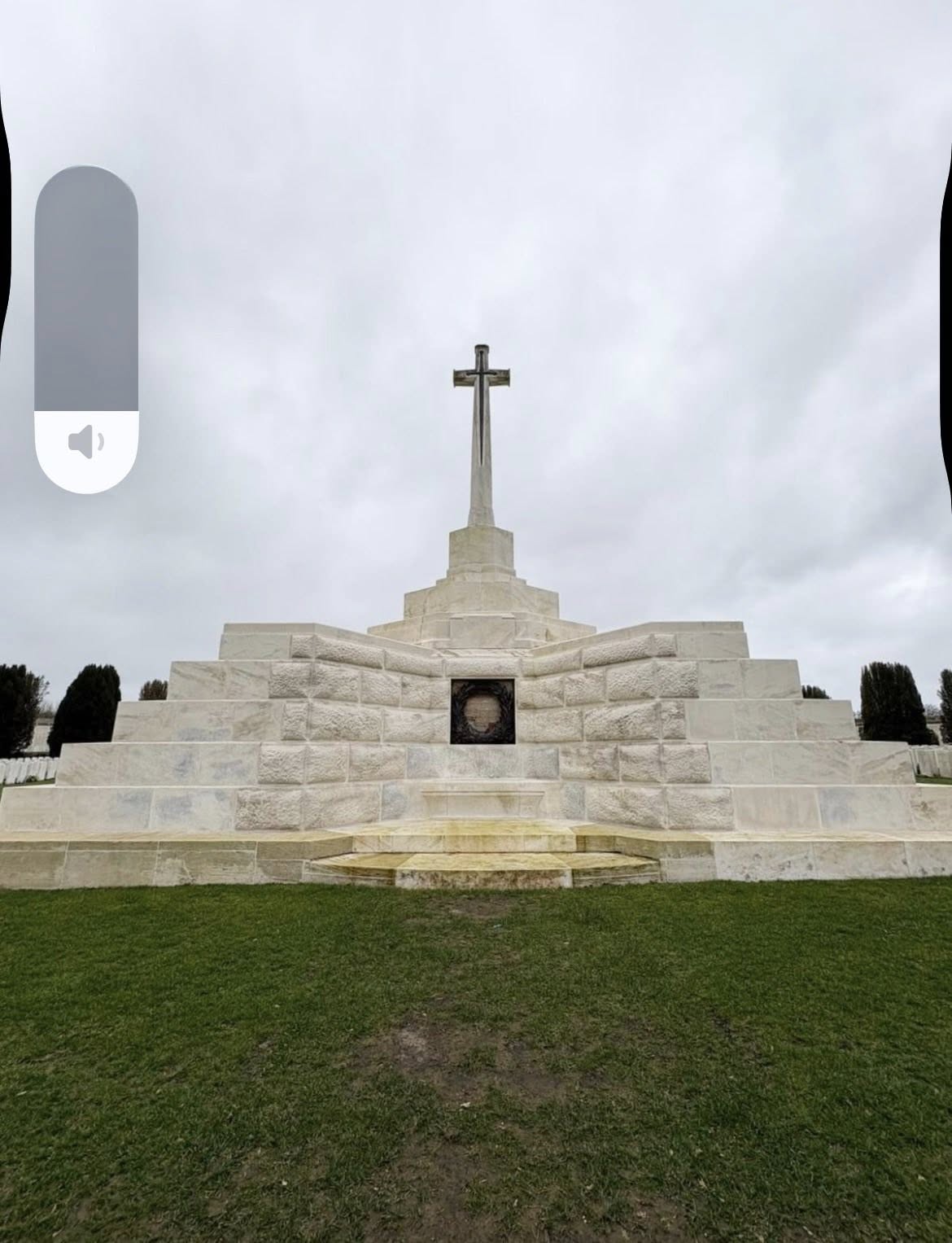
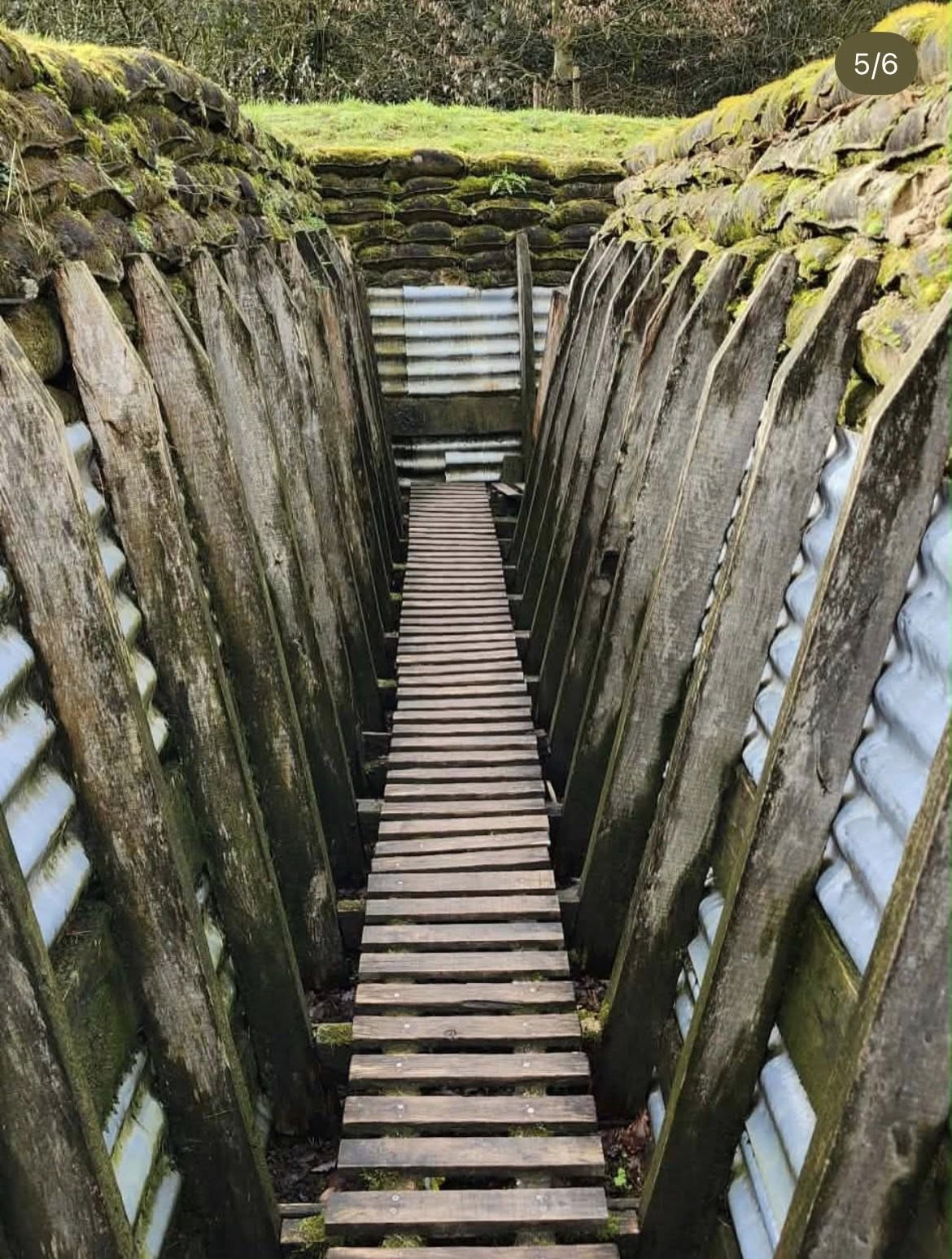
The cadets also visited Tyne Cot, the largest Commonwealth cemetery in the world, to consider the scale of sacrifice on the Western Front and then toured the Musée du Château Zonnebeke to better understand trench warfare. In the afternoon, they travelled toward Dieppe, pausing at the start line of the Battle of Amiens to discuss the Canadian Corps’ role in the Hundred Days campaign.
Le mardi 17 février, les élèves-officiers du Collège militaire royal du Canada ont poursuivi leur étude de la Première Guerre mondiale dans le saillant d’Ypres. À Essex Farm, ils ont réfléchi à l’héritage de « In Flanders Fields » avant d’examiner l’impact des attaques au gaz de 1915 à Saint-Julien ainsi que les difficiles combats de Passchendaele. Les élèves-officiers ont également visité Tyne Cot, le plus grand cimetière du Commonwealth au monde, afin de prendre la mesure des sacrifices consentis sur le front de l’Ouest, puis ont parcouru le Musée du Château Zonnebeke pour mieux comprendre la guerre des tranchées. Dans l’après-midi, ils se sont dirigés vers Dieppe, s’arrêtant à la ligne de départ de la bataille d’Amiens pour discuter du rôle du Corps canadien dans la campagne des Cent-Jours.
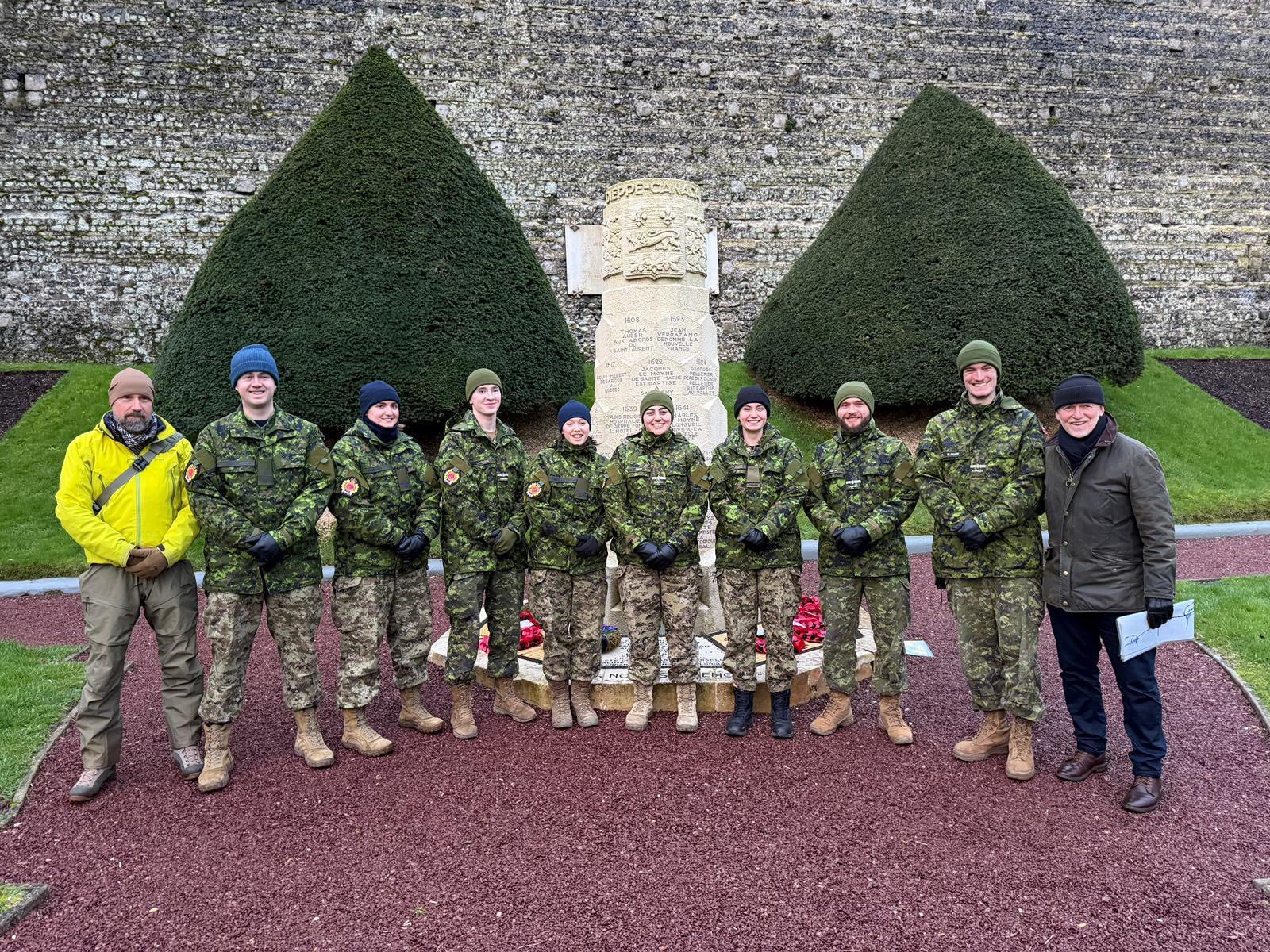
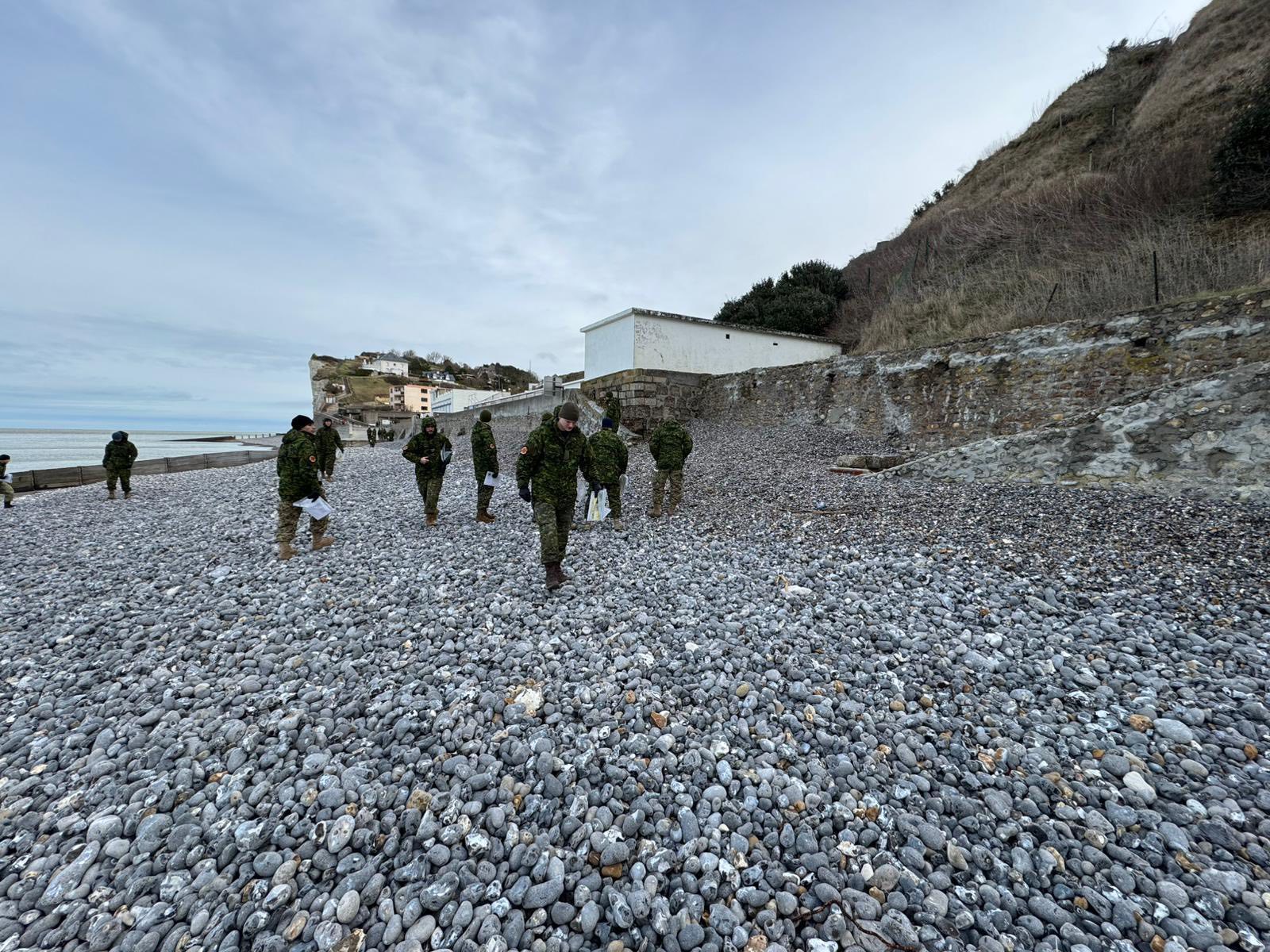
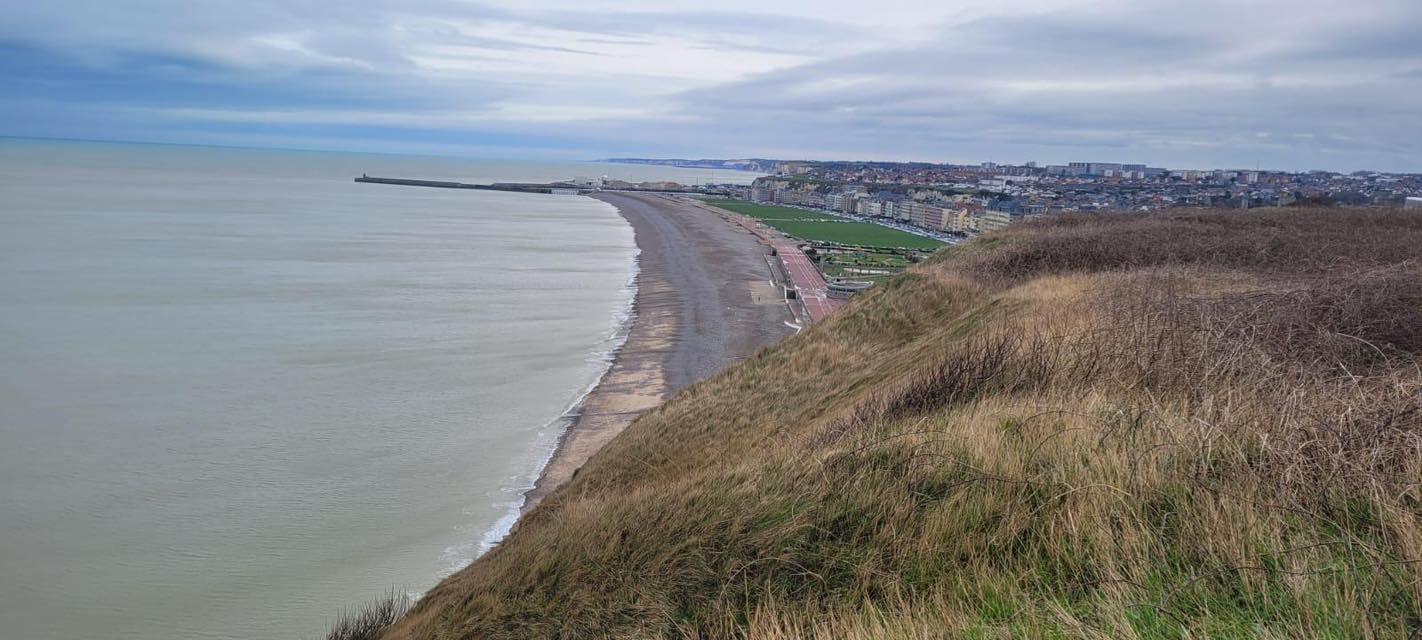
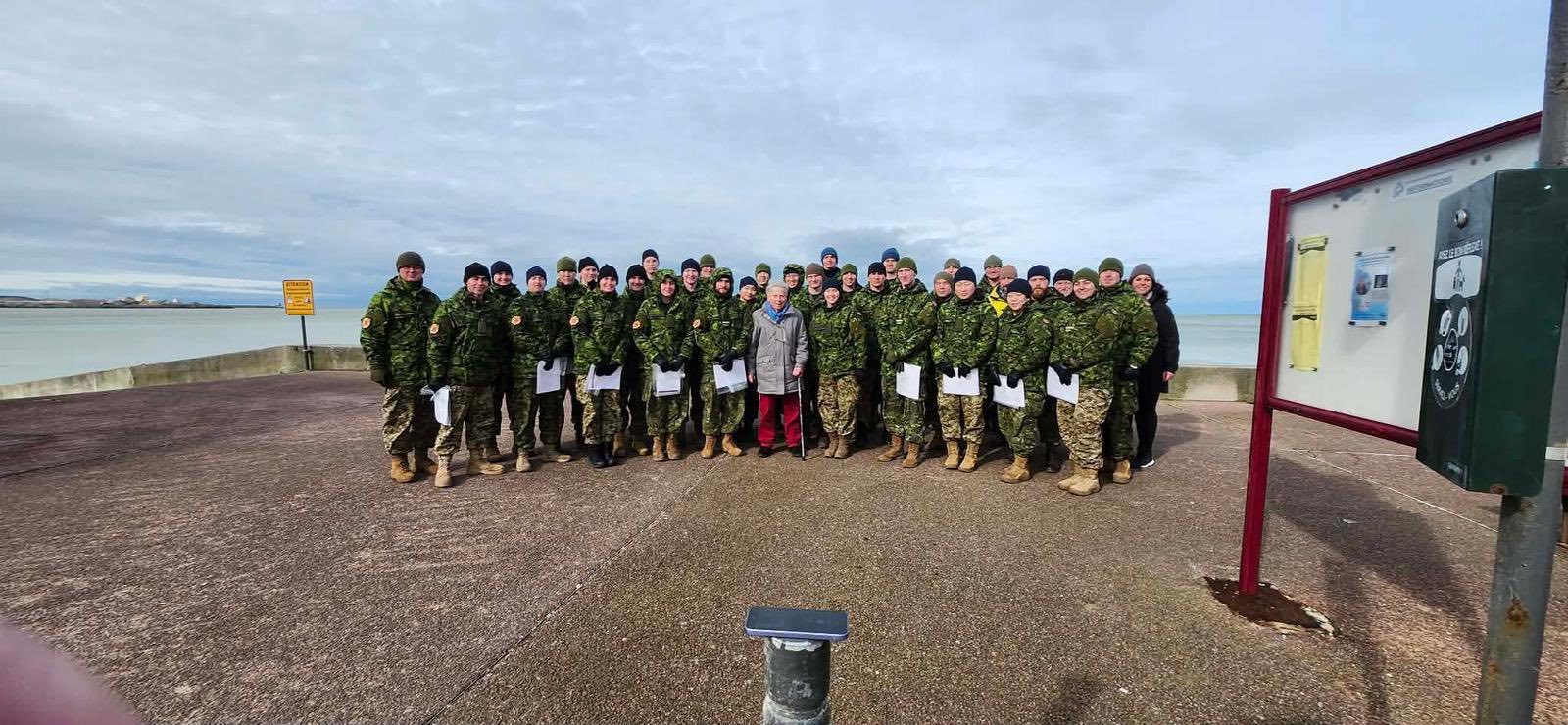
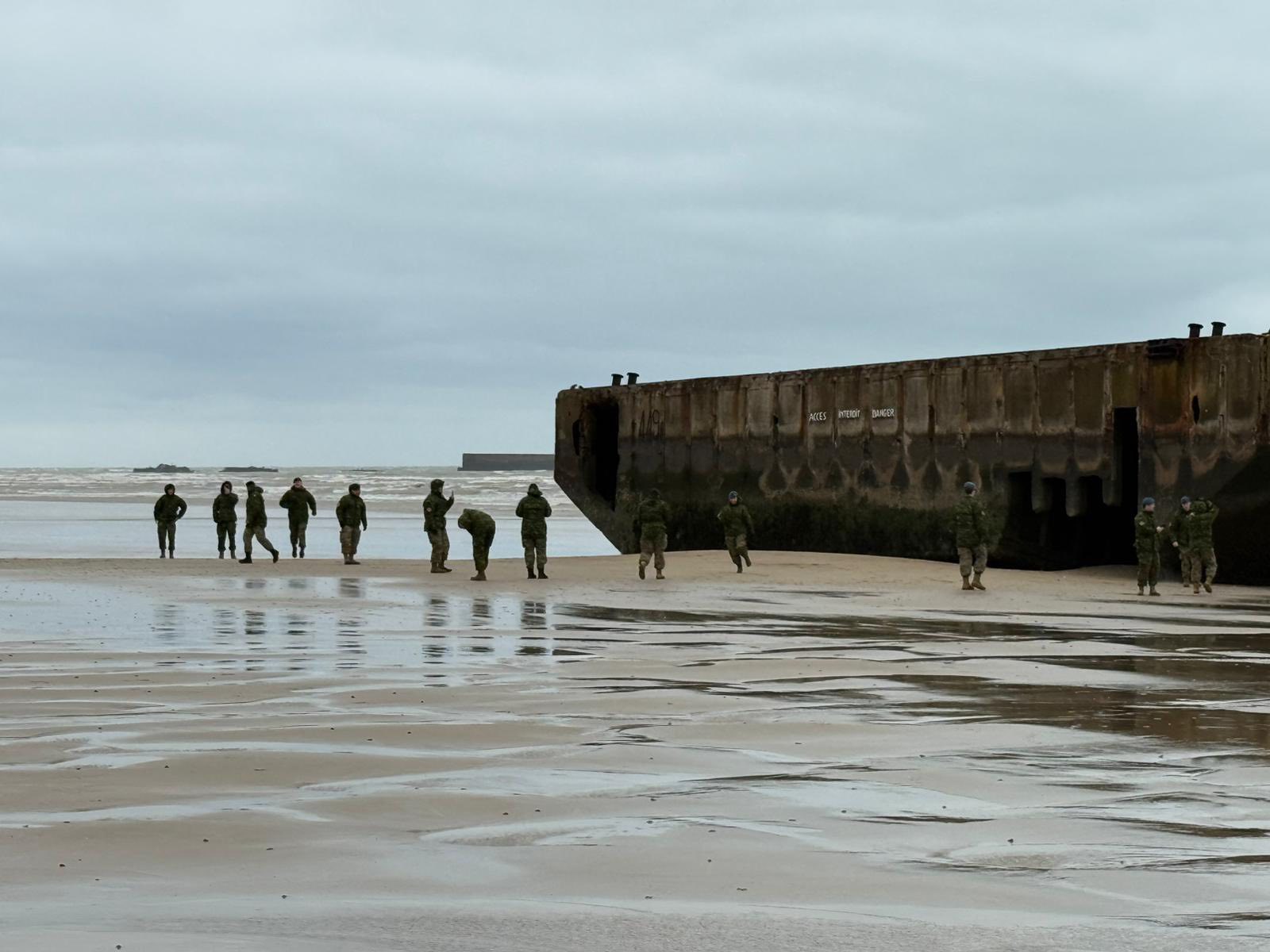
On Wednesday, February 18, Officer Cadets from the Royal Military College of Canada studied the Dieppe Raid of 19 August 1942. Beginning at the Place du Canada, they examined the fighting on White, Red, Green, and Blue Beaches, as well as the challenges of the failed amphibious assault.
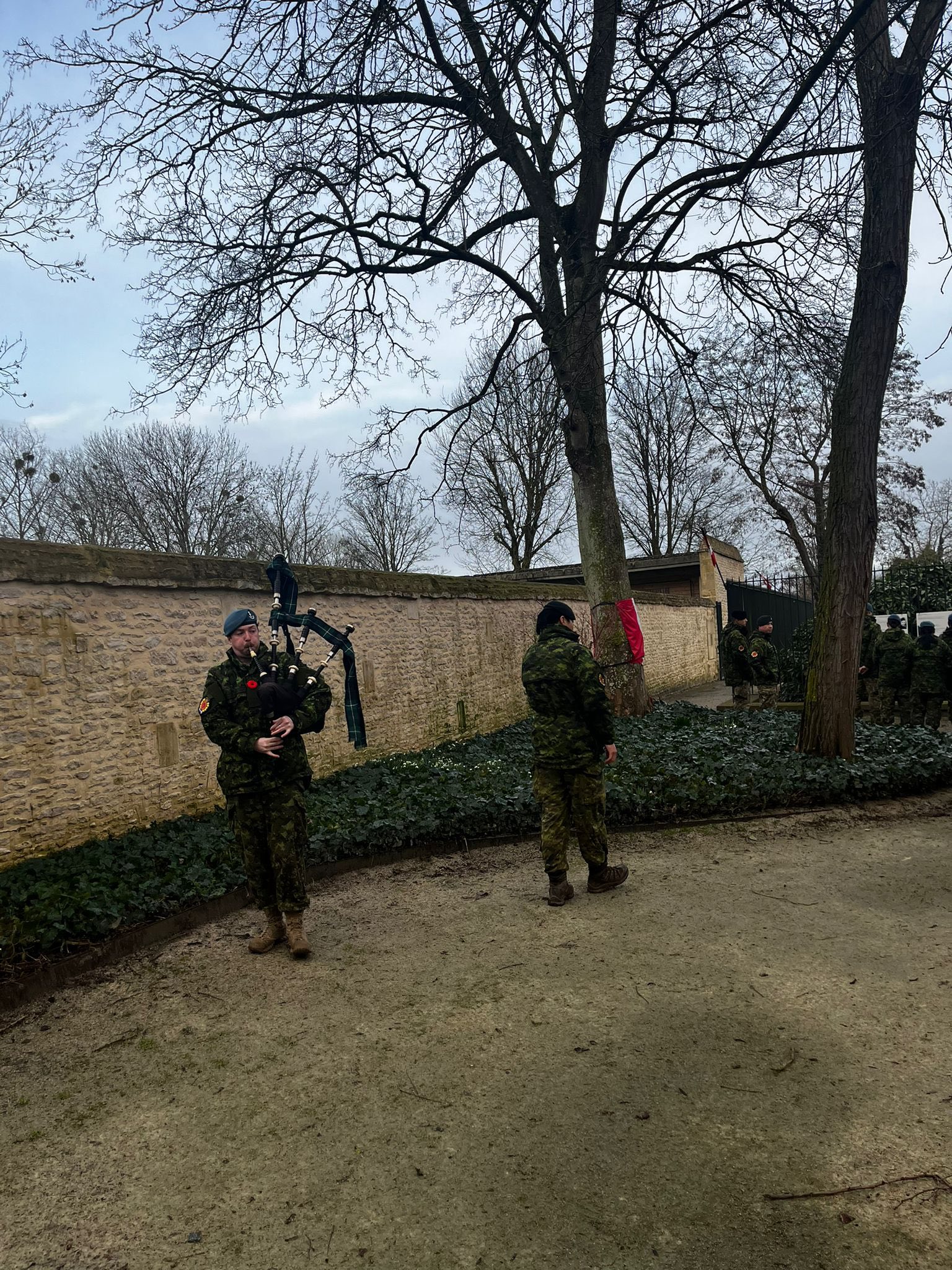
The cadets concluded the day with a memorial service at the Canadian War Cemetery in Saint-Aubin-sur-Mer before departing for Bénouville to continue their study of the Normandy.
Le mercredi 18 février, les élèves-officiers du Collège Militaire Royal du Canada ont étudié le raid de Dieppe du 19 août 1942. En commençant à la Place du Canada, ils ont analysé les batailles sur les plages Blanche, Rouge, Verte et Bleu, ainsi que les difficultés liées à l’échec de l’assaut amphibie. Les élèves-officiers ont terminé la journée par une cérémonie commémorative au Cimetière de guerre canadien à Saint-Aubin-sur-Mer, avant de partir vers Bénouville pour poursuivre leur étude de la campagne de Normandie.
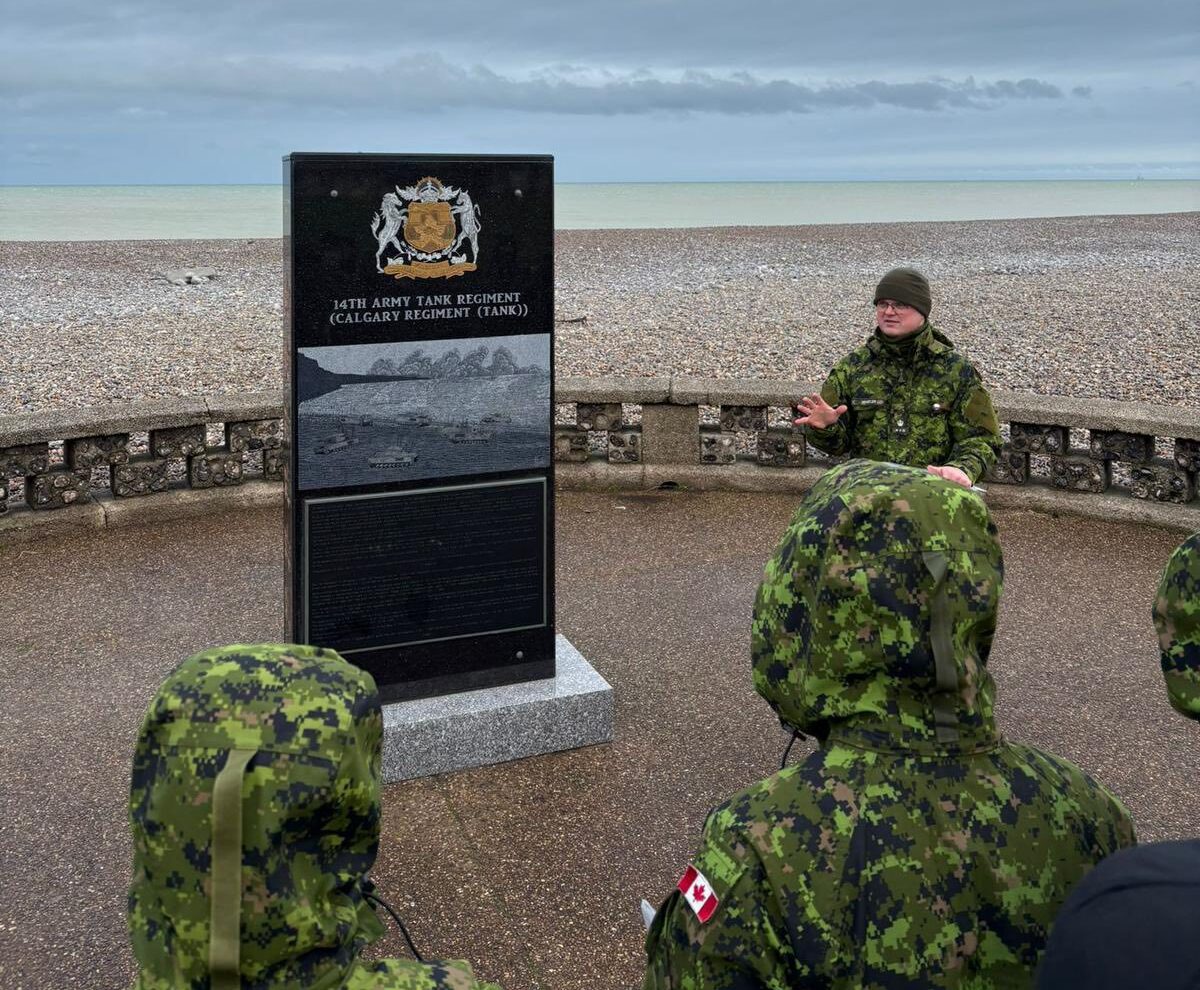
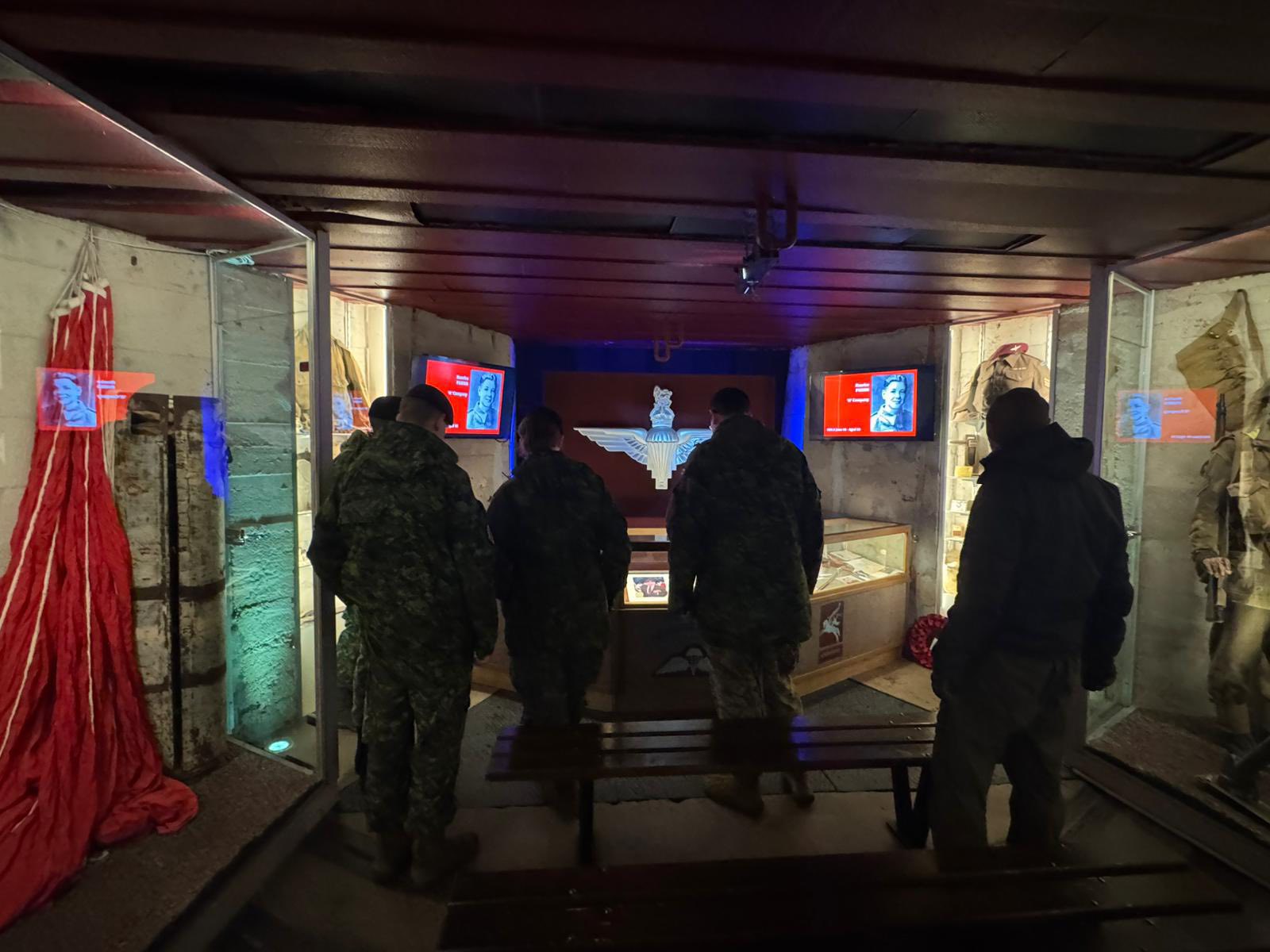
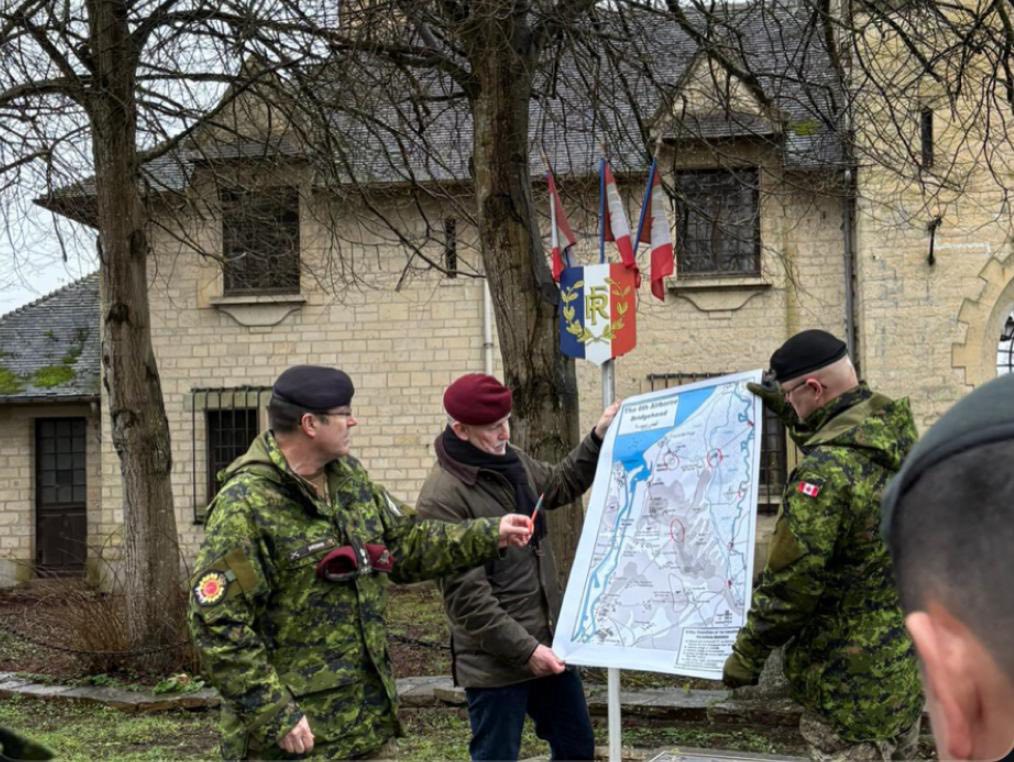
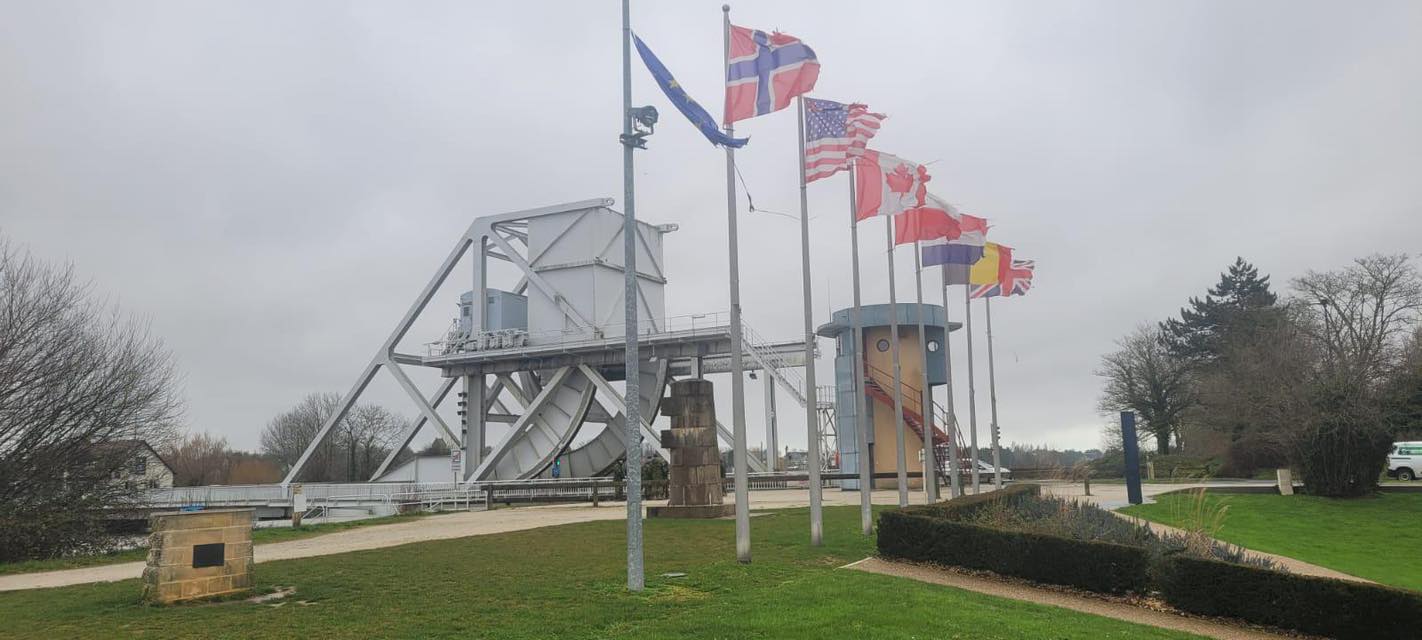
The day (Thursday) began east with the crossings at Robehomme Bridge, and the Le Mesnil crossroads, key points seized to disrupt German counterattacks moving toward the beaches. These scattered, small-unit actions highlighted initiative and speed in the early hours of D-Day.
At the Merville Battery, we focused on the airborne assault carried out understrength and in darkness to neutralize a serious threat to the invasion’s eastern flank. The terrain made clear how difficult, and decisive,that attack was.
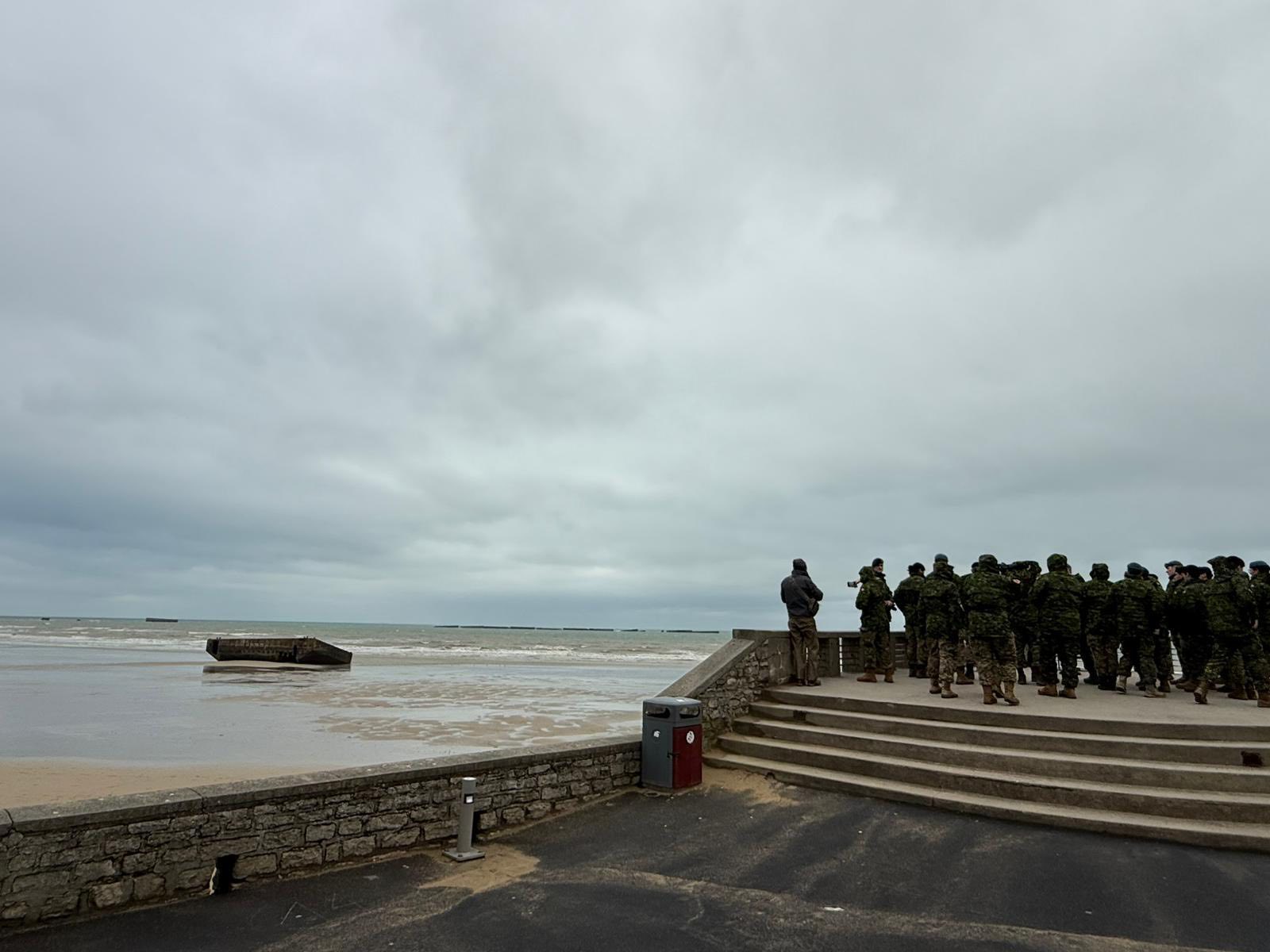
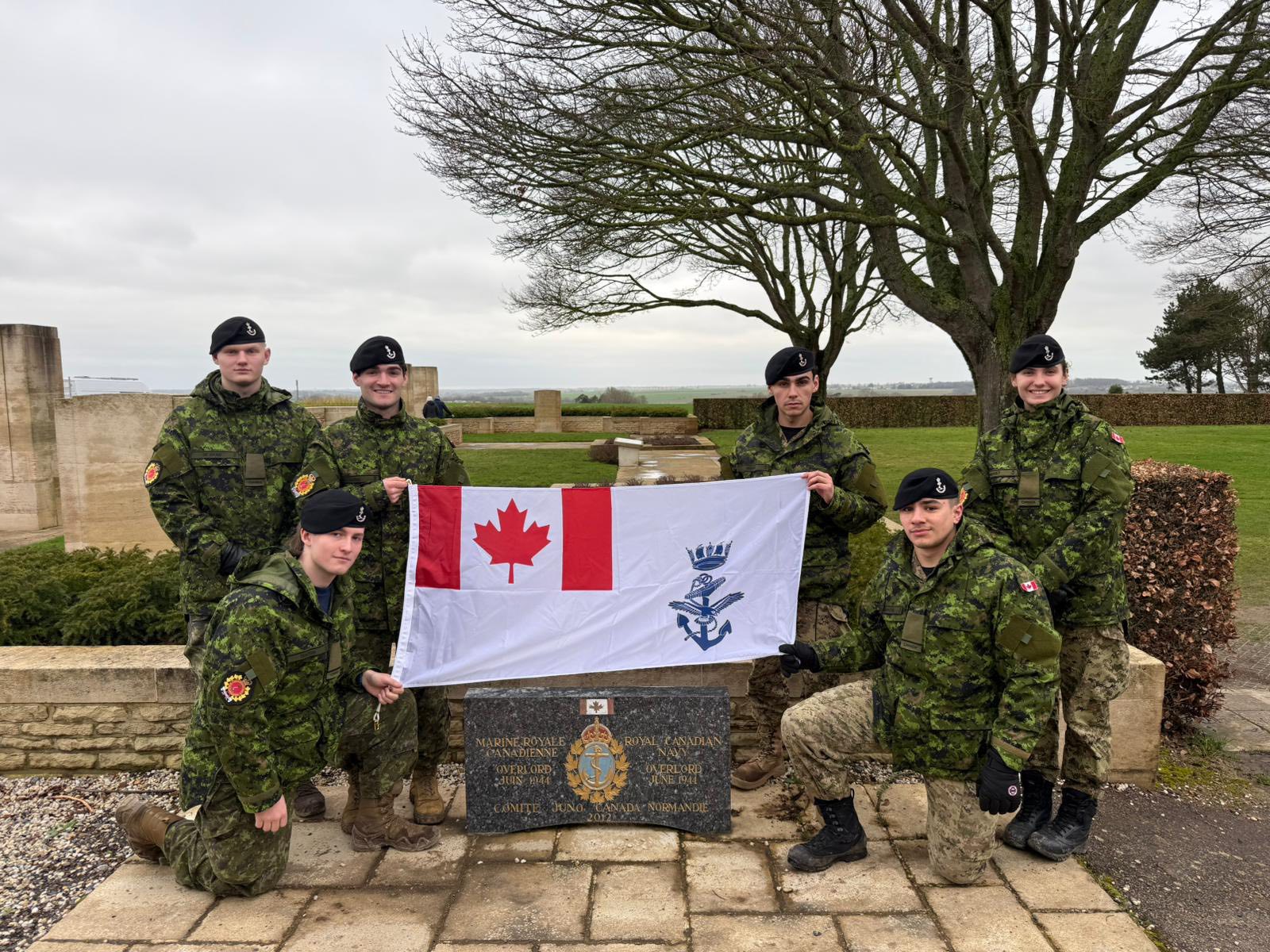
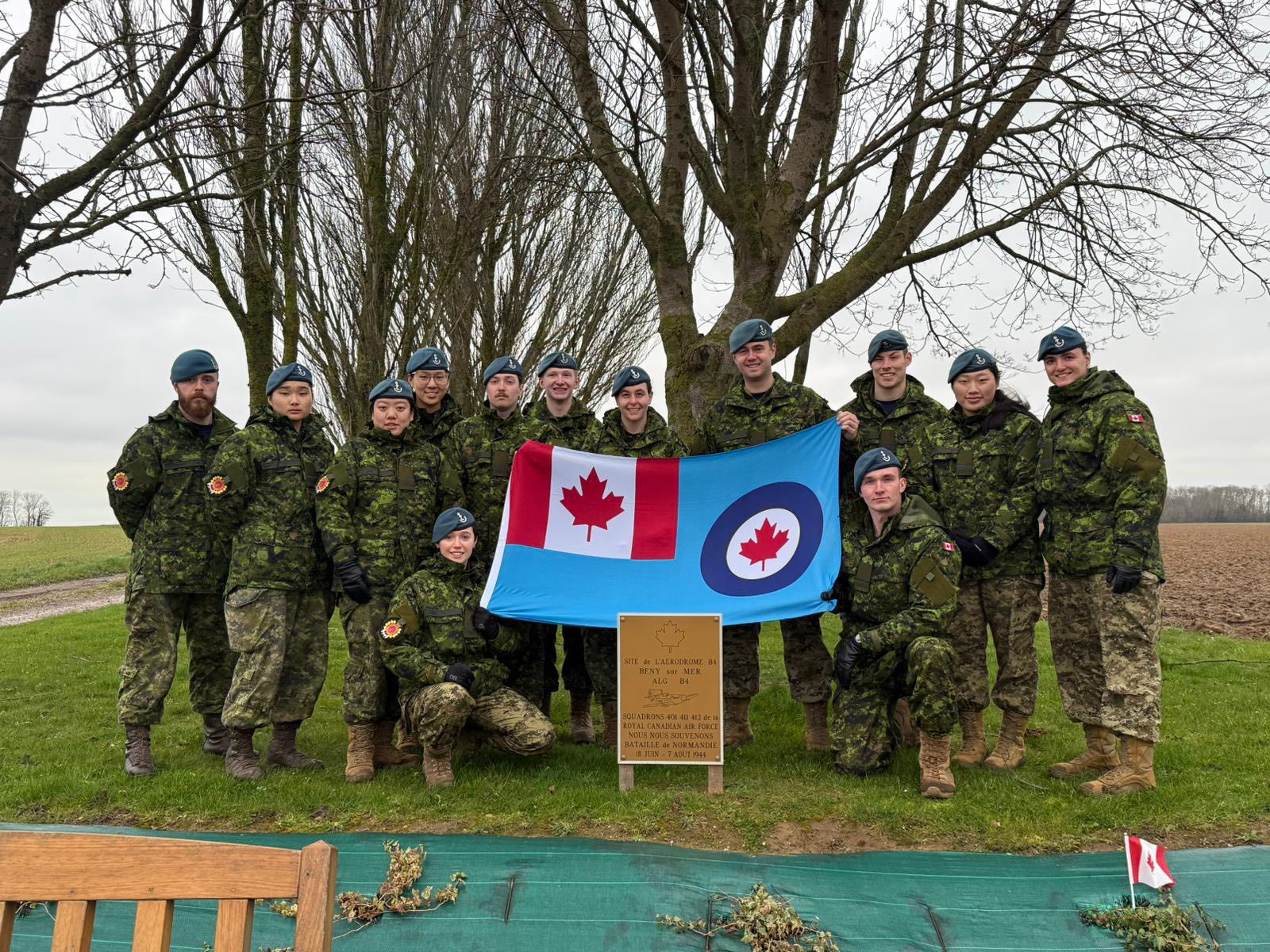
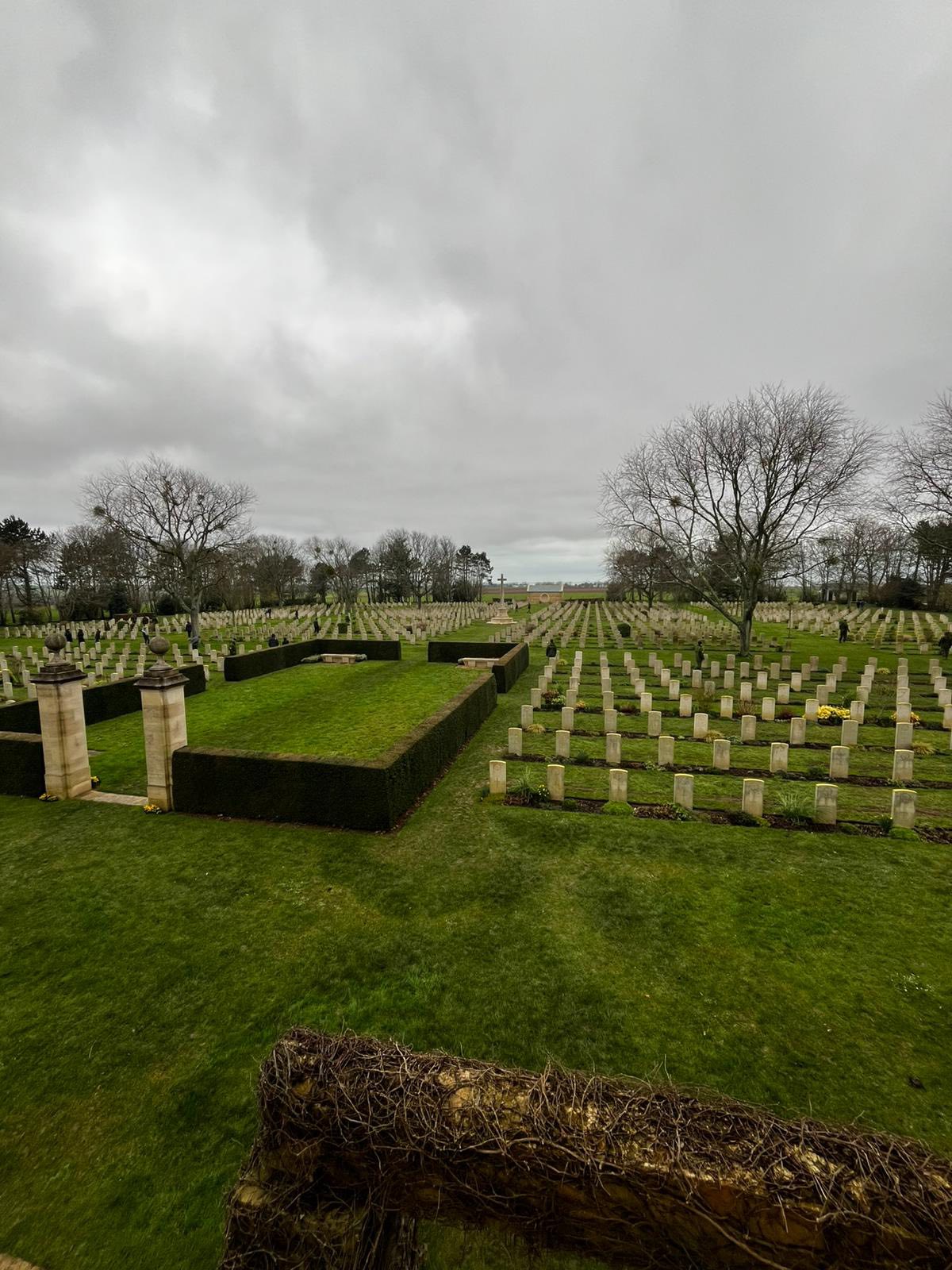
We then moved to Juno Beach, reflecting on the costly but successful landing and advance inland, before concluding at the Bény-sur-Mer Canadian War Cemetery. The cemetery provided a sobering reminder of the human cost behind the operations studied throughout the day.
La journée a commencé (jeudi) à l’Est avec les traversées au pont de Robehomme et au croisement des routes du Mesnil, points clés saisis afin de perturber les contre-attaques allemandes se dirigeant vers les plages. Ces actions dispersées, menées par de petites unités, ont mis en évidence l’initiative et la rapidité d’exécution dans les premières heures du Jour J. À la batterie de Merville, nous avons étudié l’assaut aéroporté, mené en sous effectif et dans l’obscurité, visant à neutraliser une menace sur le flanc Est de l’invasion. Le terrain a clairement illustré à quel point cette attaque fut difficile et déterminante. Les élèves-officiers ce sont ensuite rendus à Juno Beach, pour réfléchir au débarquement coûteux, mais réussi, ainsi qu’à la progression vers l’intérieur du territoire, avant de conclure au cimetière militaire Canadien de Bény-sur-Mer. Le cimetière a été un rappel saisissant du coût humain derrière les opérations étudiées tout au long de la journée.
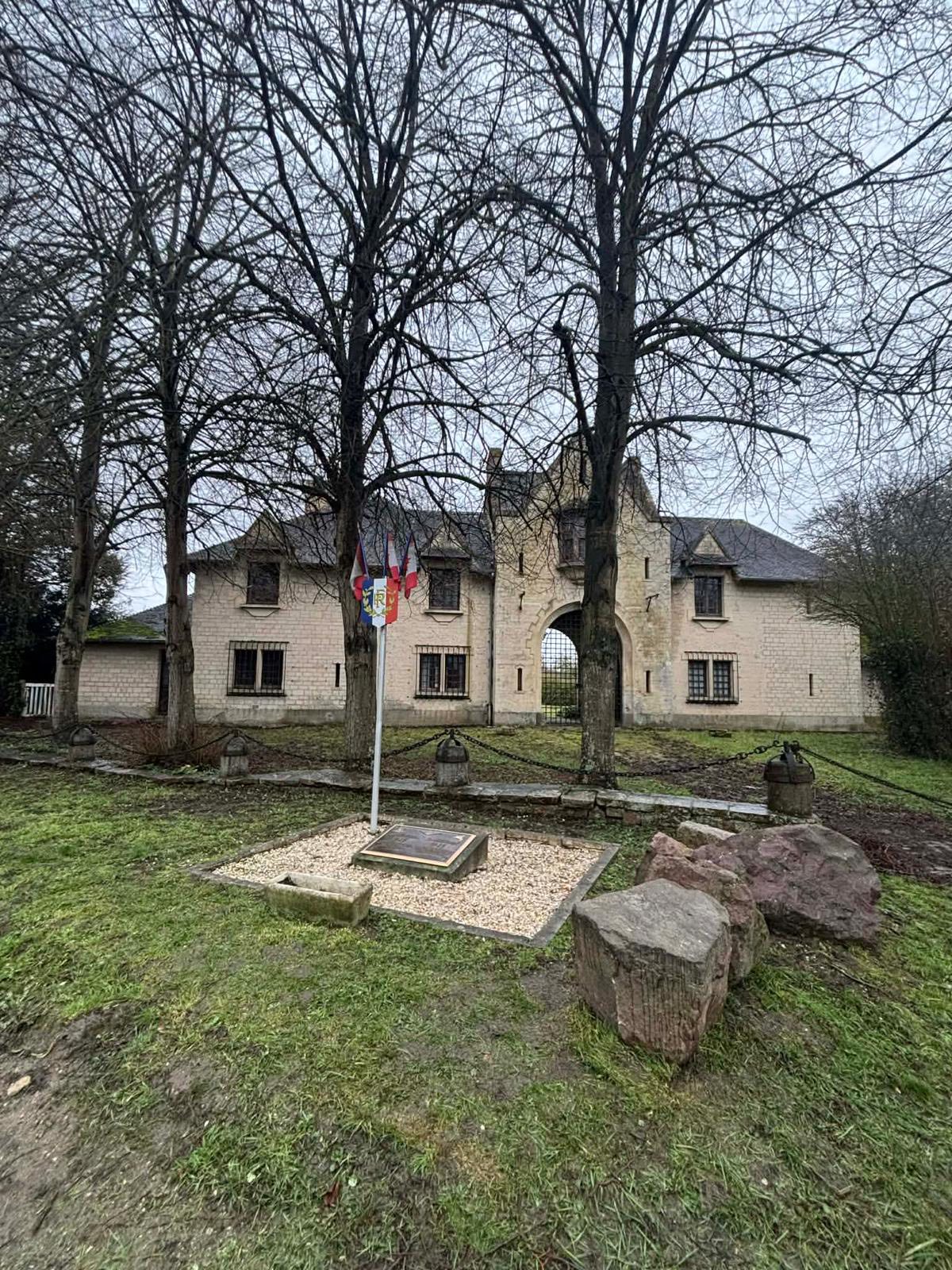
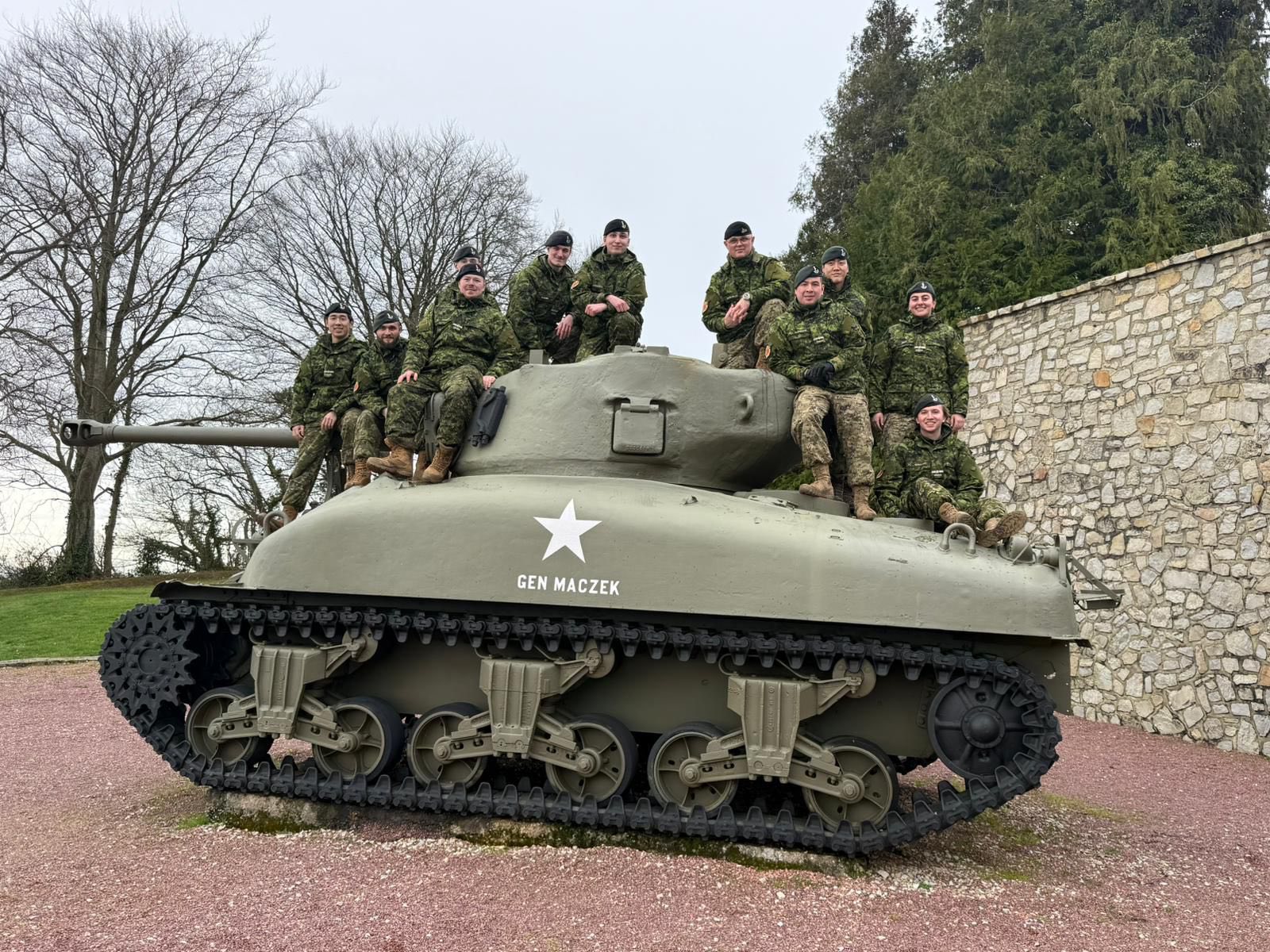
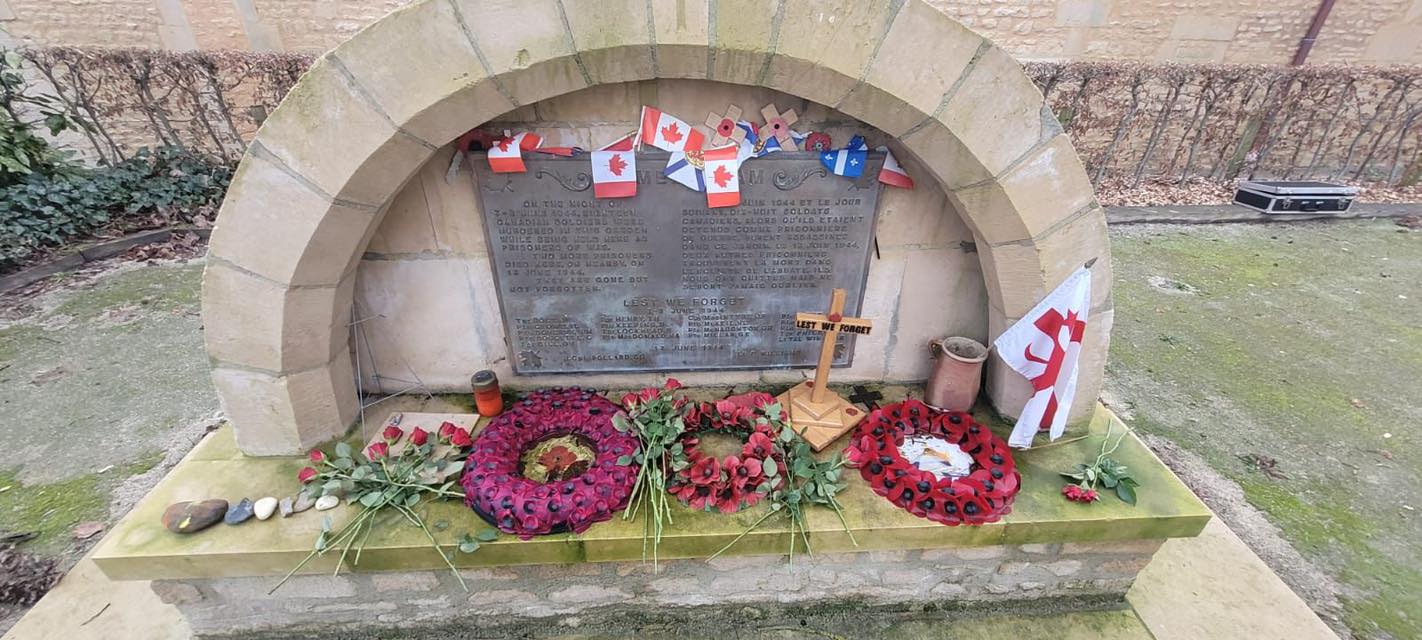
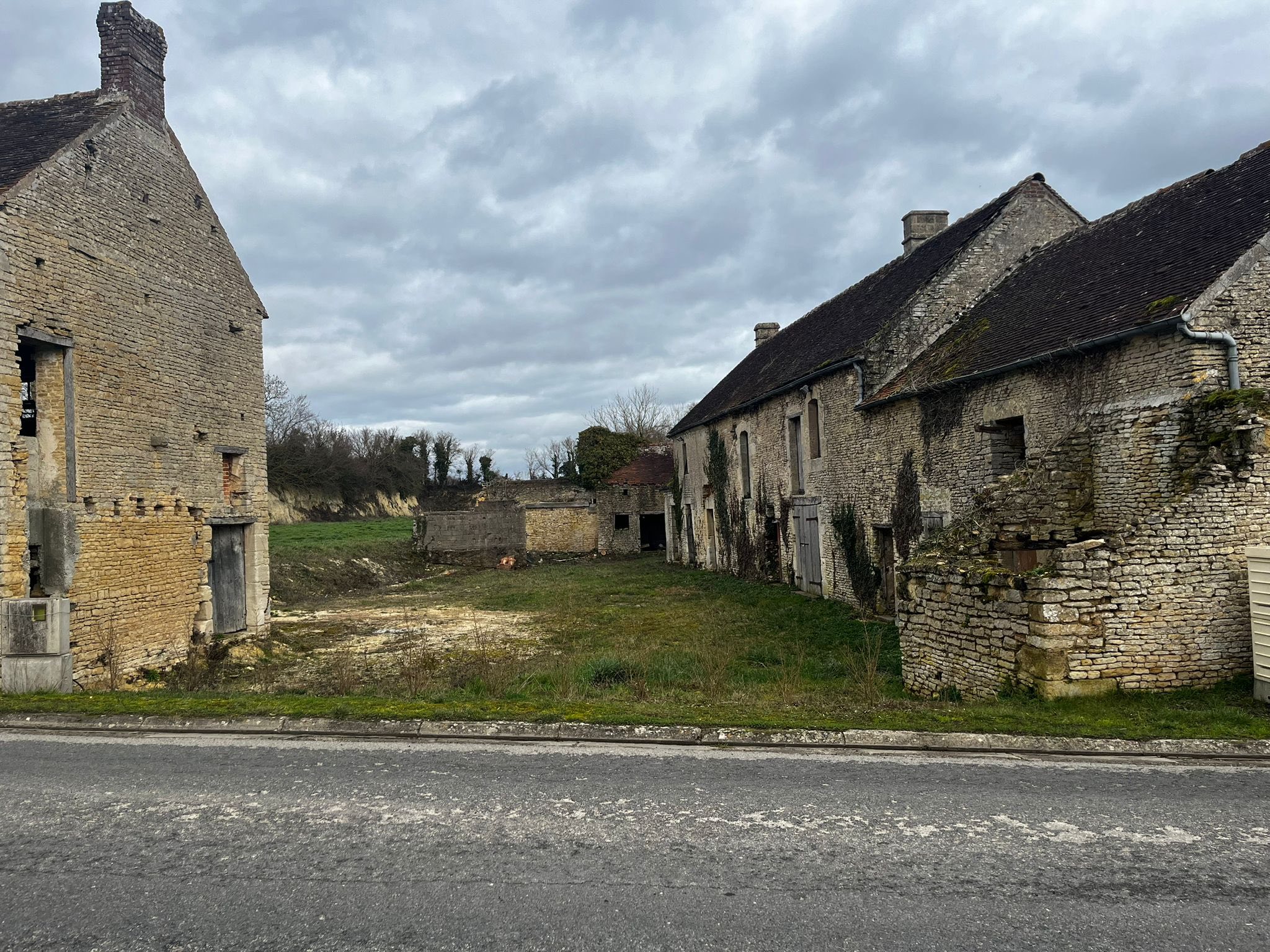
On Friday, 20 February, we examined the fighting south of Caen during the Normandy campaign. At the Abbaye d’Ardenne, the cadets reflected on the murder of Canadian prisoners by the 12th SS and the importance of command responsibility and the laws of armed conflict. The cadets then studied the costly assaults at Point 67 and Verrières Ridge during Operation Spring, followed by discussion of the Falaise Pocket at Point 140, Saint-Lambert-sur-Dives, and the Polish monument at Point 252. The cadets also visited Bretteville-sur-Laize Canadian War Cemetery, where they reflected on the sacrifice required to secure victory in Normandy.
The trip has now come to an end, and it was an amazing and deeply meaningful experience for all involved. We are truly grateful to have been a part of it.
Le vendredi 20 février, nous avons examiné les combats au sud de Caen durant la campagne de Normandie. À l’Abbaye d’Ardenne, les élèves-officiers ont réfléchi au meurtre de prisonniers canadiens par la 12e SS ainsi qu’à l’importance de la responsabilité du commandement et du respect du droit des conflits armés. Les élèves-officiers ont ensuite étudié les assauts coûteux menés à la cote 67 et sur la crête de Verrières lors de l’opération Spring, suivis d’une discussion sur la poche de Falaise à la cote 140, à Saint-Lambert-sur-Dives, ainsi que sur le monument polonais à la cote 252. Les élèves-officiers ont également visité le cimetière militaire canadien de Bretteville-sur-Laize, où ils ont réfléchi au sacrifice nécessaire pour assurer la victoire en Normandie.
Le voyage est maintenant terminé, et ce fut une expérience extraordinaire et profondément marquante pour tous les participants. Nous sommes profondément reconnaissants d’avoir pu en faire partie.