
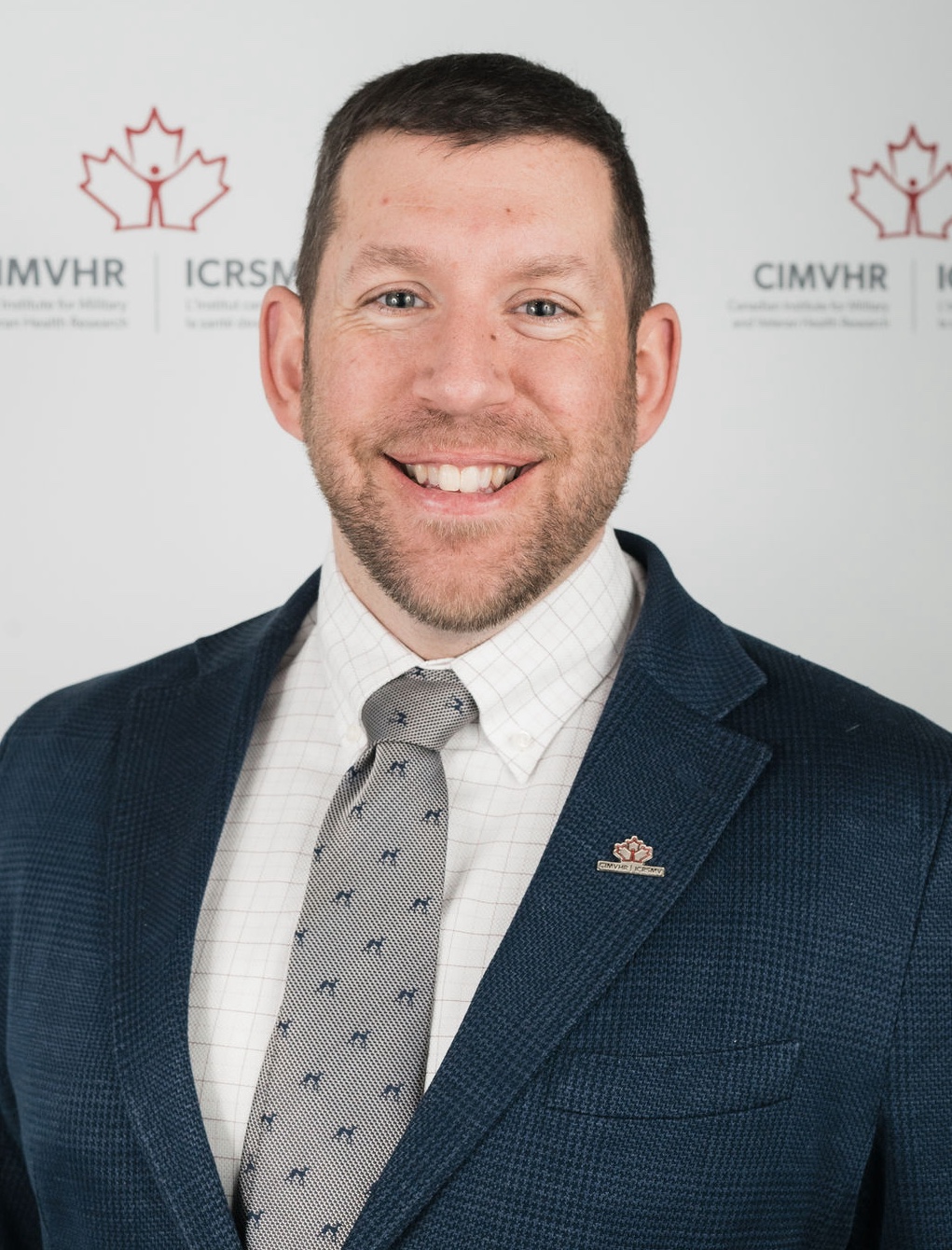
For Paul Hook, RMC Class of 2002, the connection to the Royal Military College of Canada began long before he marched through the Arch as a cadet. RMC was already part of his family story. His father, Brian Hook (RRMC/RMC 1968), and his uncle, Doug Smith (RMC 1968), had both attended the College, giving Paul an early window into the traditions, expectations, and sense of purpose that define the Canadian Military Colleges. His twin brother, David Hook (RMC 2004), would also follow that path. Those family ties opened the door, but Paul’s own career was shaped by something much deeper: a steady commitment to service, a practical understanding of leadership, and a genuine interest in helping others succeed.
Over the course of a 25-year career in the Canadian Armed Forces, Paul built a reputation as a thoughtful and grounded leader. He learned early that leadership is rarely about rank alone. It is about judgement, trust, preparation, and the ability to understand what people need in difficult moments. Today, as Managing Director of the Canadian Institute for Military and Veteran Health Research (CIMVHR), he continues to serve the military and veteran community in a role that brings together research, collaboration, and advocacy for those who serve Canada and the families who support them.
His military career took him across Canada and beyond, with experiences that broadened both his professional perspective and his understanding of people. In 2005, only three years after graduating from RMC, Paul deployed to Afghanistan. More than a decade later, from 2016 to 2022, he served internationally as Deputy Canadian Defence Attaché in Jordan and Israel. One of the memorable RMC connections from that posting came in 2019, when HMCS Ville de Québec visited Haifa, Israel. The ship’s Commanding Officer was Scott Robinson, RMC 2002, a classmate of Paul’s. For Paul, seeing a fellow graduate leading a Canadian warship abroad was a powerful reminder of how far the RMC bond can travel, and how often it reappears in meaningful ways throughout a military career. These were distinct chapters in a varied career, but each reinforced the importance of adaptability, cultural awareness, clear communication under pressure, and the enduring strength of the College connection.
Paul also served in a wide range of operational and staff appointments within the Canadian Army, the Vice Chief of the Defence Staff group, and Military Personnel Command. Those roles gave him a broad view of the institution, from the needs of soldiers and units to the larger systems that support them. His final posting as a Senior Business Planner in the Canadian Army reflected the trust placed in his strategic judgement and his ability to bring structure, perspective, and calm to complex work.
Yet one of the most meaningful chapters of Paul’s career brought him back to the place where his own military journey had taken shape.
From 2013 to 2015, Paul returned to RMC as a Division Commander, serving alongside two fellow graduates from the Class of 2002. Coming back as a leader, rather than as a cadet, gave him a different appreciation for the College and for the responsibility of helping shape young officers at a formative point in their lives. He approached the role with a question that was simple, but powerful: what did I wish I had known as a cadet? The answer became the foundation for how he mentored the Officer and Naval Cadets in his care.
Paul wanted cadets to leave RMC with more than academic knowledge, military training, and a commission. He wanted them to be ready for the human side of leadership. Drawing on his own experiences, he spoke candidly about the realities young officers can face in their first units. Some challenges are operational. Others are deeply personal. A leader may find themselves supporting a member through financial stress, a relationship breakdown, morale issues, or a mental health struggle. For Paul, these were not abstract scenarios. They were part of the real work of leadership, and he believed cadets deserved to be prepared for them.
That practical approach made his time as Division Commander especially meaningful. He was not simply passing along lessons from his own career; he was helping cadets understand that leadership is built in everyday moments. It shows up in how officers listen, how they respond under stress, how they earn confidence, and how they take care of the people entrusted to them. In that sense, Paul’s return to RMC became both a continuation of his own College experience and a chance to strengthen it for those who would follow.
That commitment continues in his work today. At CIMVHR, Paul remains closely connected to the military and veteran community, helping advance research and partnerships that support the health and well-being of Canadian Armed Forces members, Veterans, and their families. The work is different from leading in uniform, but the underlying purpose is familiar. It is still about service. It is still about people. And it is still about contributing to a stronger, more informed network of support for those who have served.
Paul Hook’s story is ultimately one of connection: to family, to RMC, to the profession of arms, and to the people he has led, mentored, and supported along the way. It is a reminder that the Canadian Military Colleges experience does not end at graduation. Its influence continues in the choices graduates make, the standards they uphold, and the ways they give back to the community that helped shape them. For Paul, that legacy has been lived through leadership, service, and a lasting commitment to helping others be ready for what comes next.
-
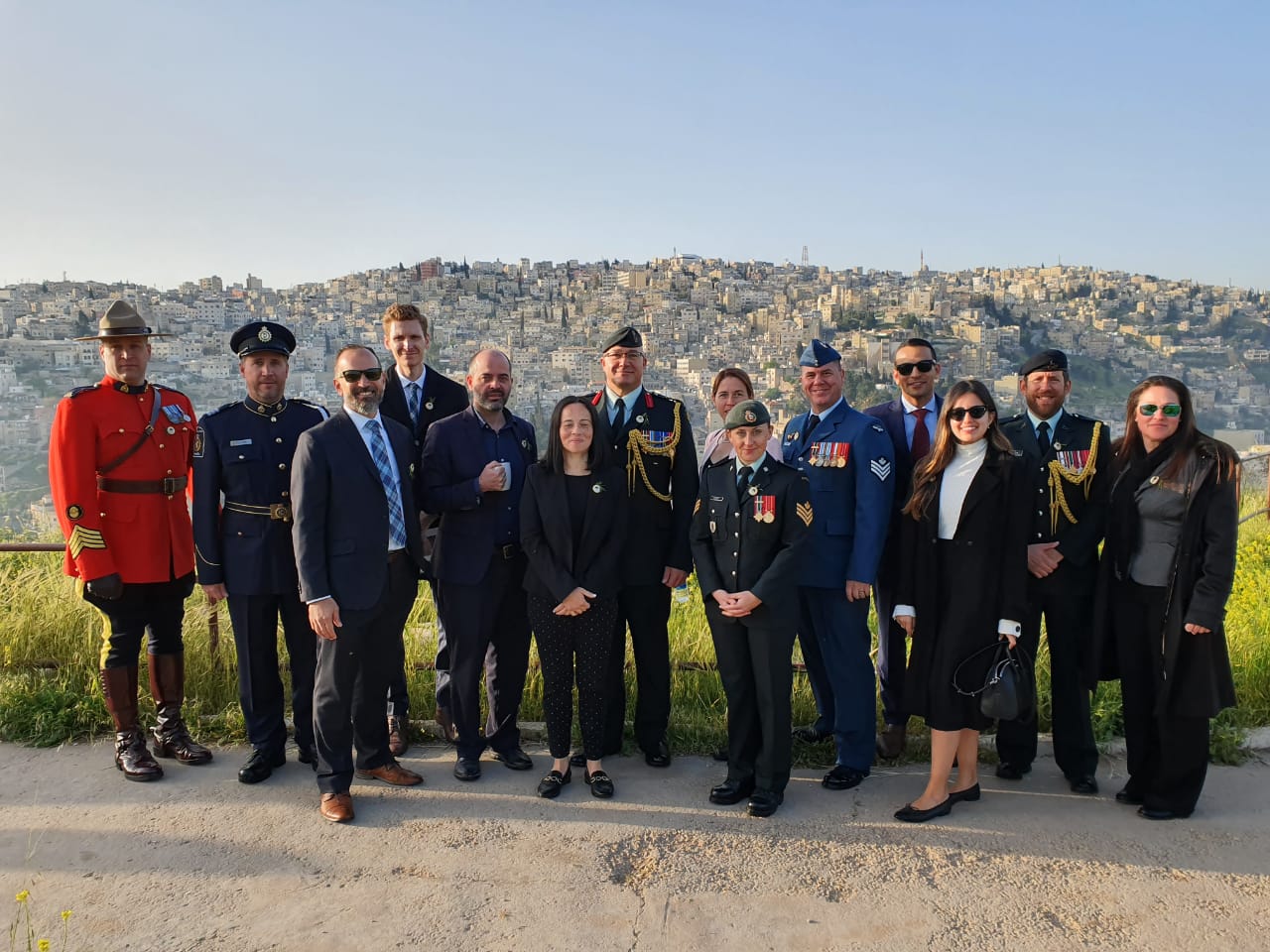
- Embassy Staff – Jordan 2019
-
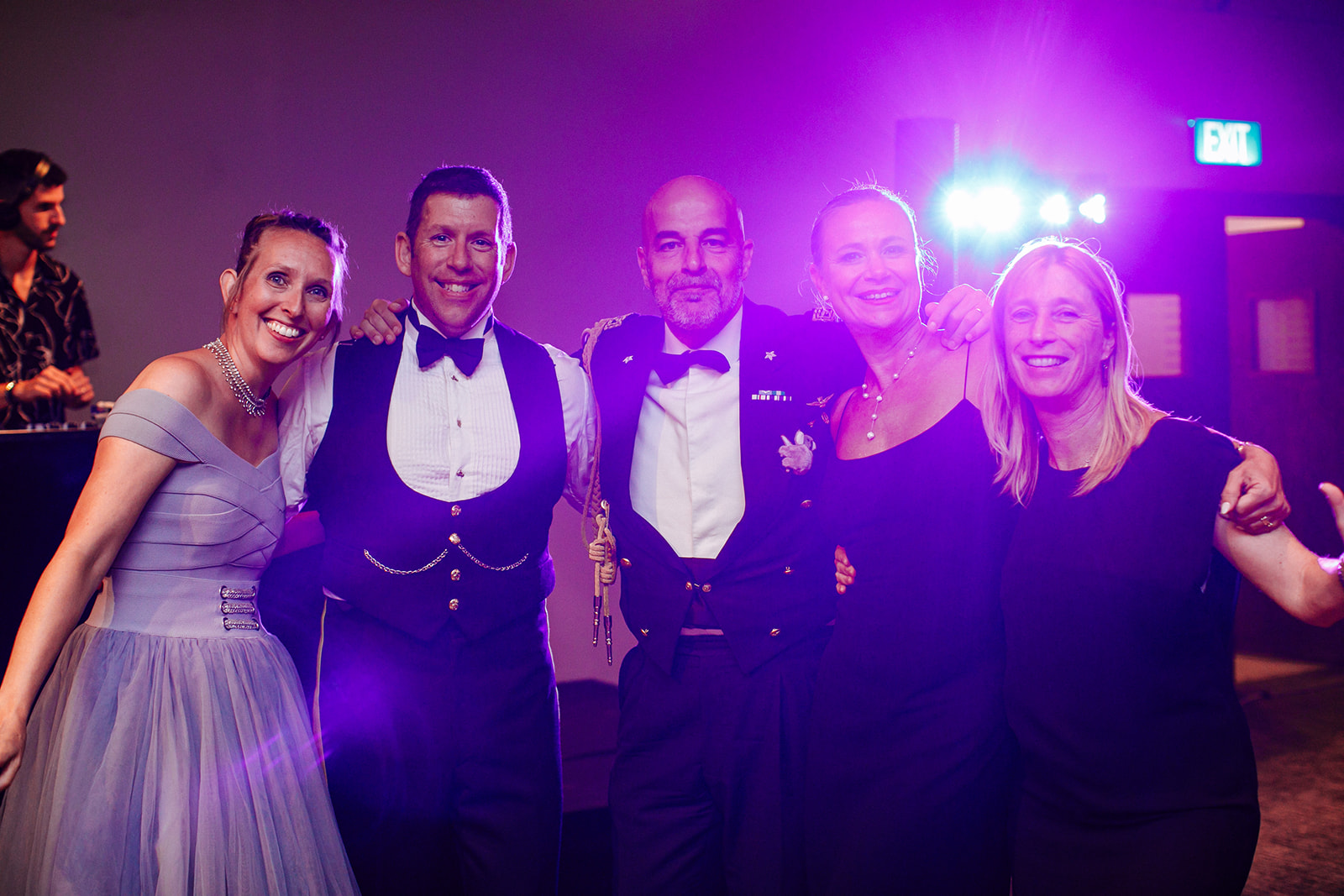
- AMAI Summer Ball 2022
-
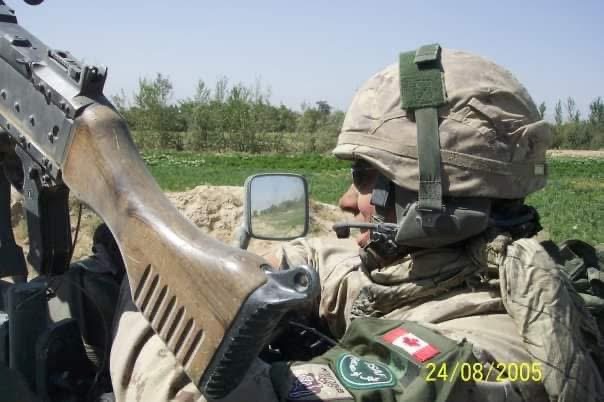
- Paul Hook – Afghanistan 2005
-
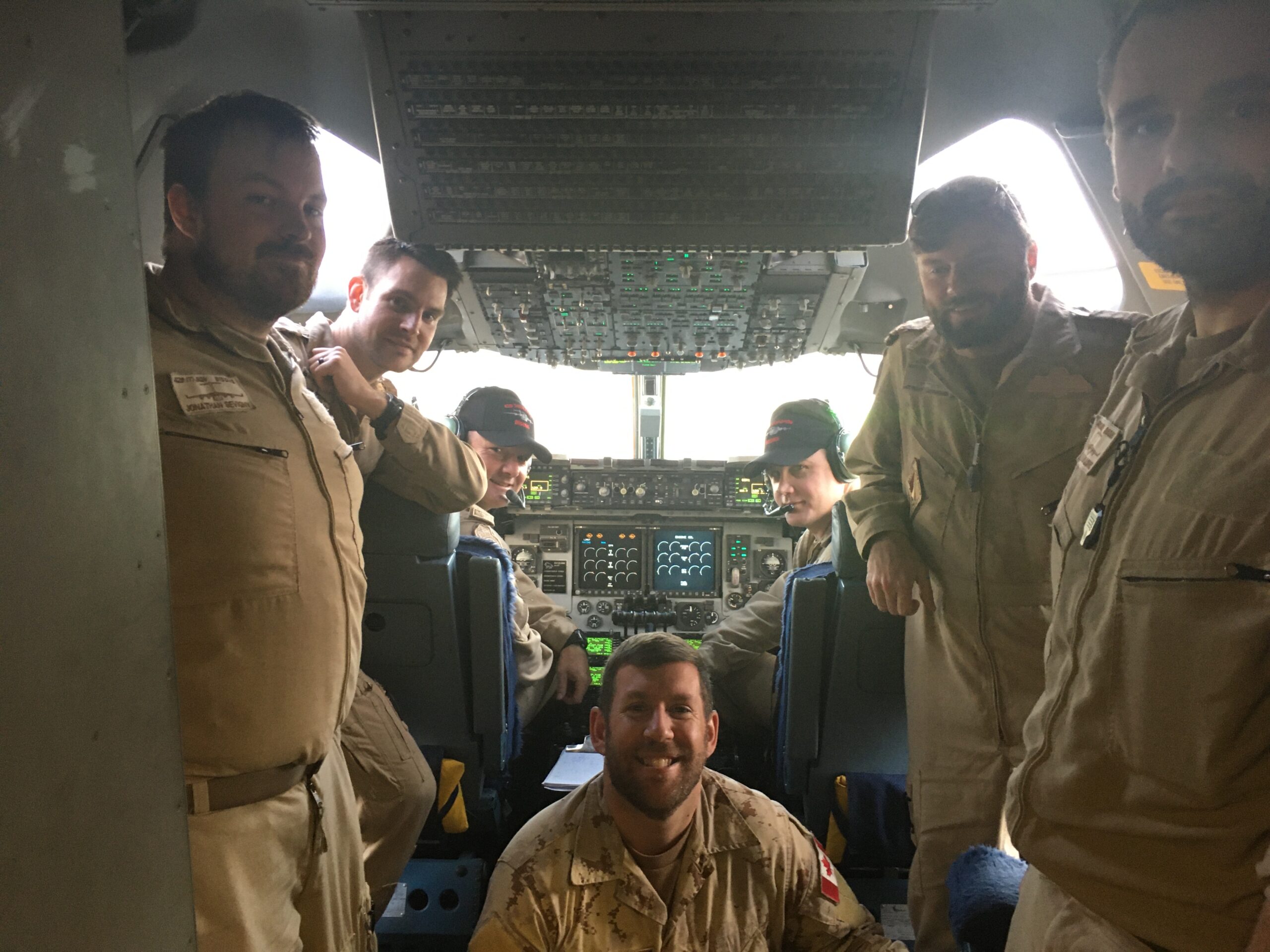
- Paul Hook and Adam Ackerson – Israel 2019
-
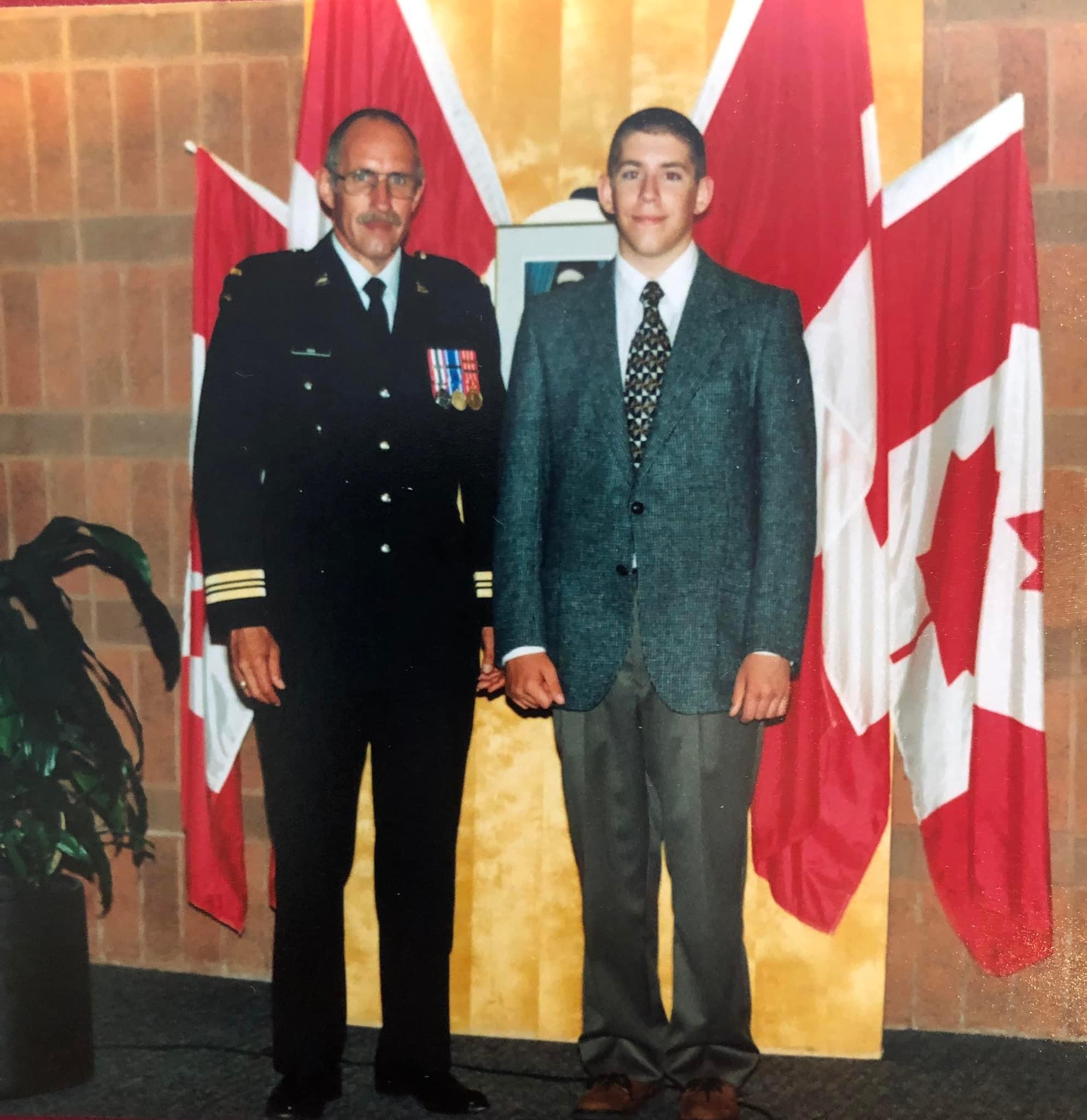
- Paul Hook and ex-Cadet Brian Hook – joining military June 1998
-
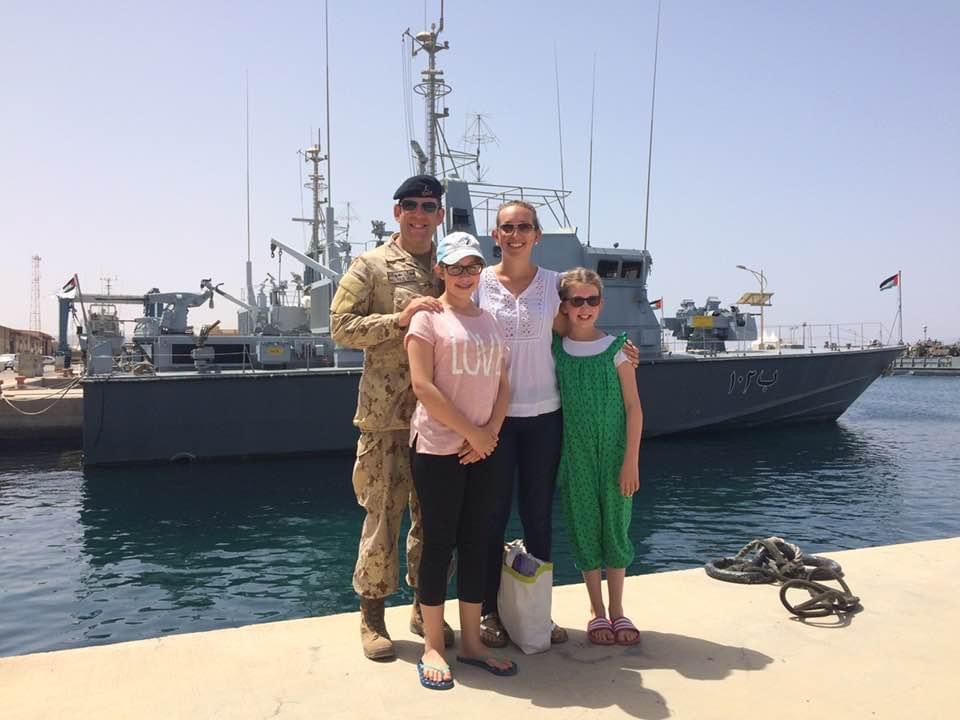
- Paul Hook and Family – Jordan 2019
-
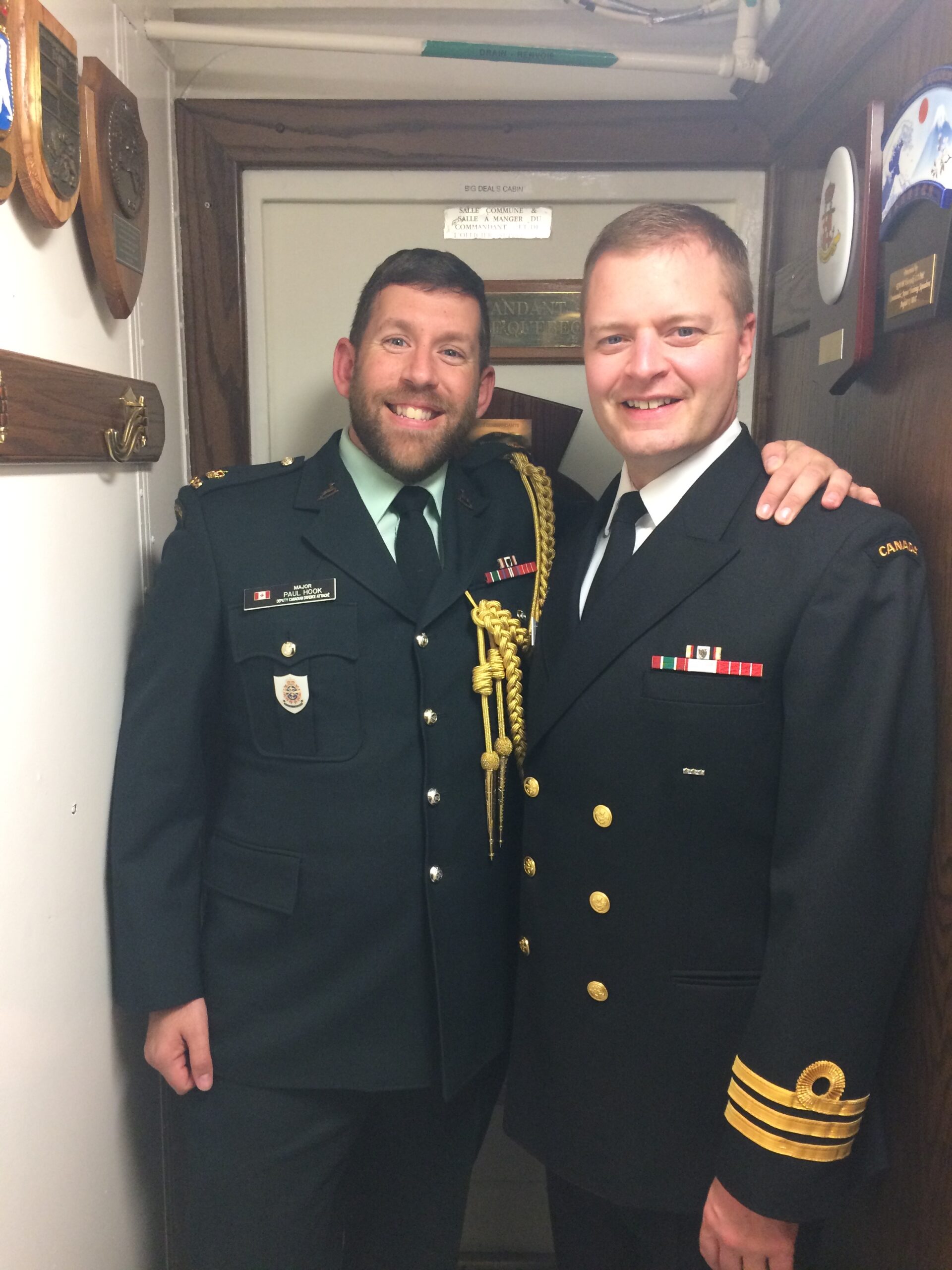
- Paul Hook and Scott Robinson – HMCS VDQ Haifa Israel 2019
1 Comment
Leave a Comment


Congratulations to Paul; I knew his Dad well, worked for him several years and had enormous respect for him. Brian Hook was my DS when I was an OCdt in Gagetown phase 4, then worked for him as a Troop Leader a few years later. 10966 Michel Maisonneuve